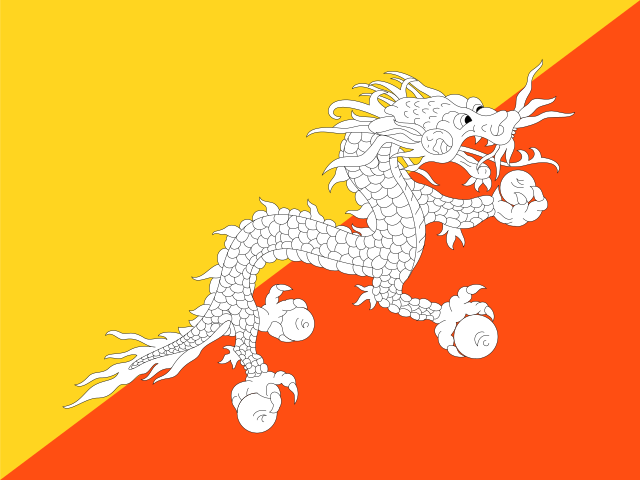
Flag of Bhutan
Divided diagonally into a yellow upper triangle and an orange lower triangle. A white dragon lies along the dividing line, holding jewels in its claws.
What the flag means
The 2008 constitution sets out the meanings. Yellow is the secular tradition and the authority of the king, and orange the Buddhist spiritual tradition, especially the Drukpa Kagyu and Nyingma schools. The dragon is the Druk, or Thunder Dragon, which gives Bhutan its name, and its white colour stands for the purity of the people's thoughts and deeds. The jewels in its claws stand for wealth.
History
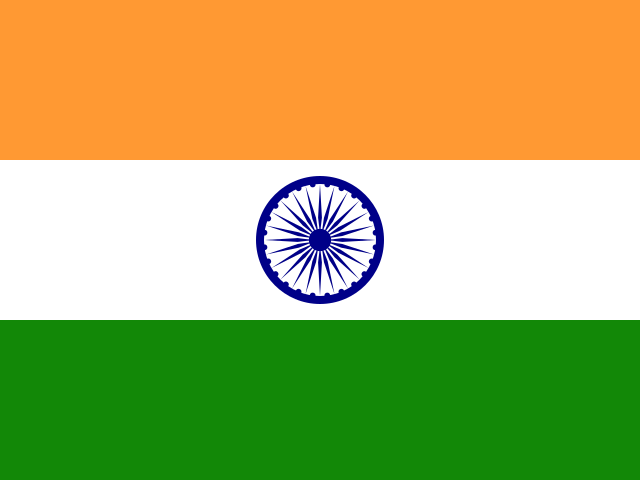
The first flag, shown at the signing of a treaty with India in 1949, was yellow and red with a green dragon. Mayum Choying Wangmo Dorji is credited with this basic design. The dragon became white in 1956. From the late 1950s Dasho Shingkhar Lam redrew the flag at the king's request. By 1969 the red half had become orange, the dragon lay along the diagonal and the measurements matched those of India's flag. The National Assembly approved rules for the flag in 1972.
It was first flown abroad next to another country's flag during a state visit to India in 1961.
Earlier flags of Bhutan
- 1949–1956Yellow and red, divided diagonally, with a green dragon
- 1956–c. 1969Yellow and red, divided diagonally, with a white dragon
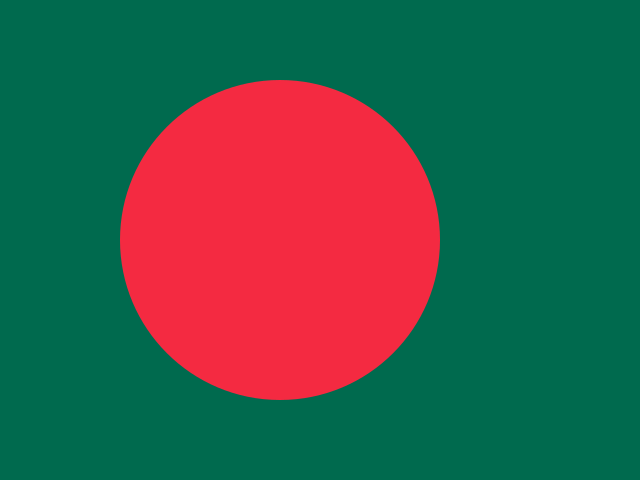
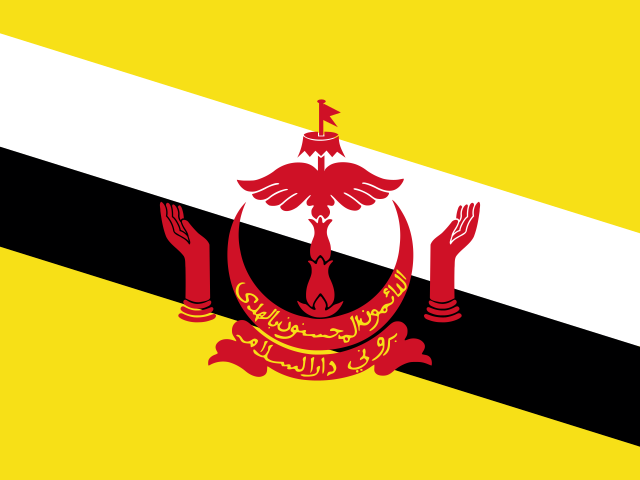
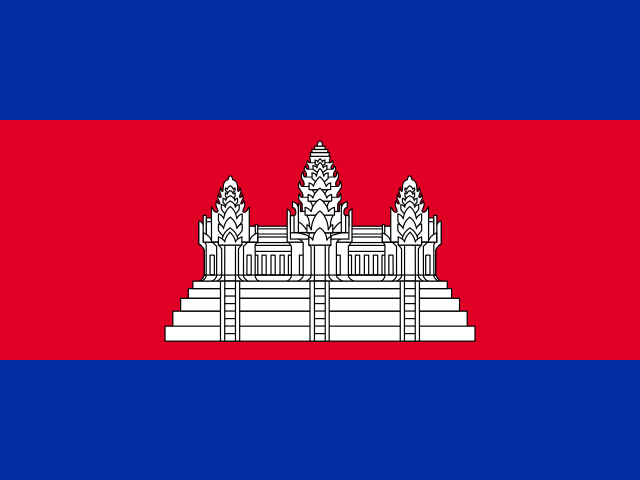
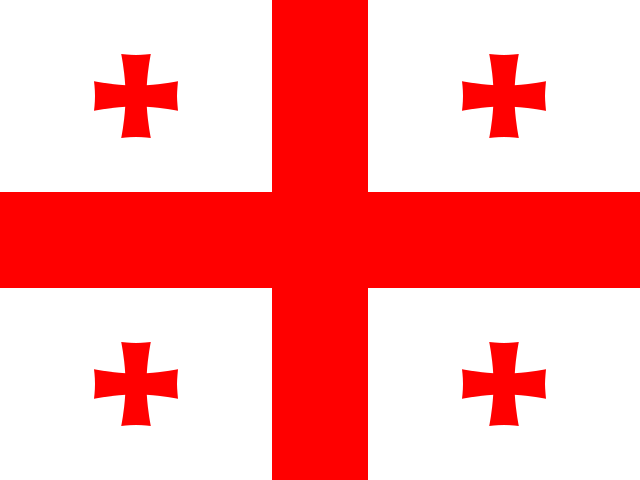
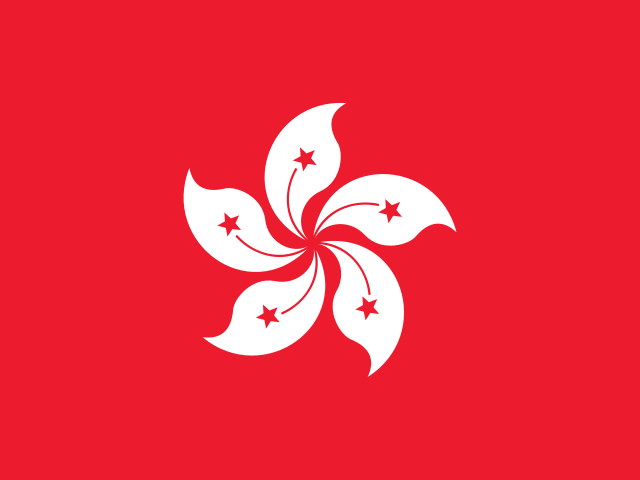
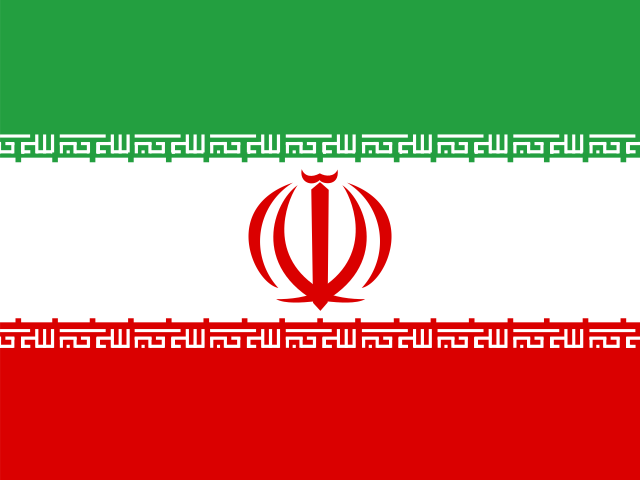
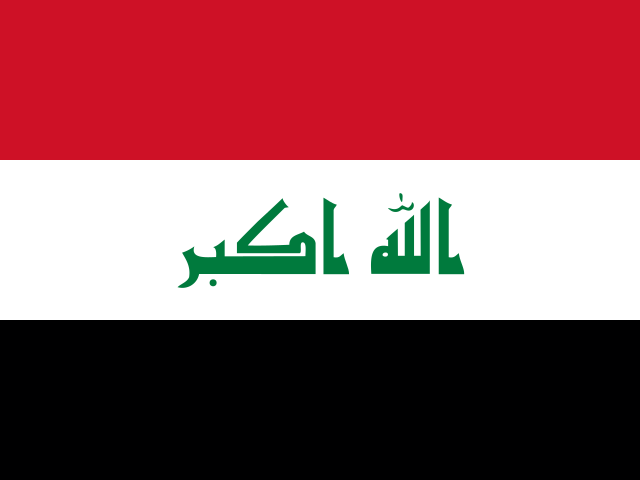
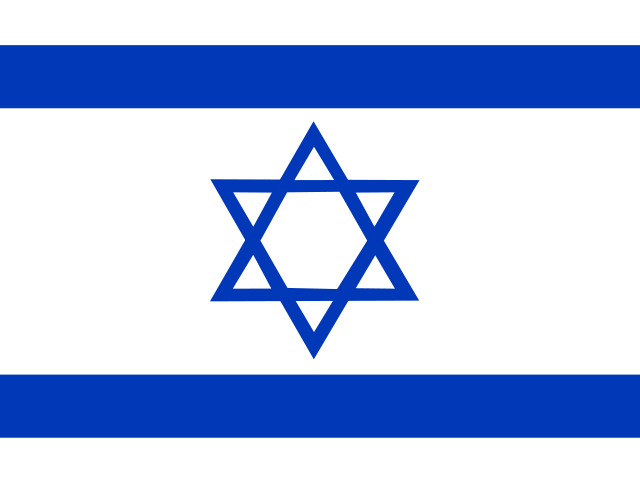
Flags of Bhutan's neighbours
Sources
- Wikipedia: Flag of Bhutan
- Flags of the World: Bhutan
Last reviewed 24 October 2026. Read how we research flags in our editorial policy, or report a mistake.