Flag of India
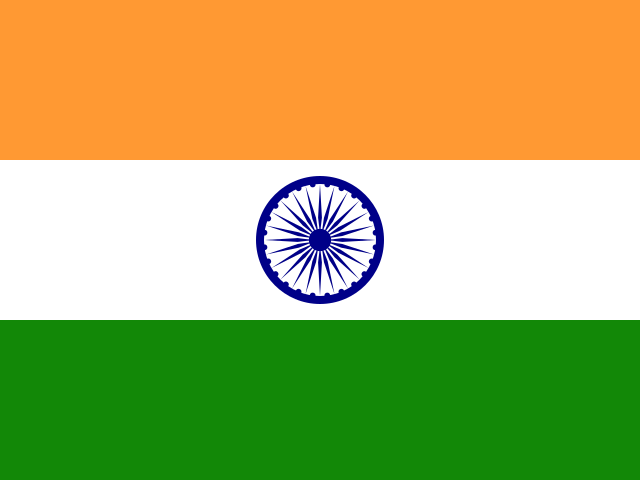
Three equal horizontal bands of saffron, white and green. A navy blue wheel with 24 spokes, the Ashoka Chakra, is in the centre of the white band.
What the flag means
Sarvepalli Radhakrishnan explained the colours as saffron for renunciation, white for the path of truth and green for the soil and plant life. He called the wheel the wheel of dharma, standing for motion and peaceful change. Jawaharlal Nehru said it replaced the spinning wheel of earlier flags mainly because it is symmetrical.
History
Pingali Venkayya is credited with the original design. In April 1921 Mahatma Gandhi proposed a flag with a spinning wheel (charkha) at its centre, and the Indian National Congress adopted the Swaraj flag in 1931. A committee led by Rajendra Prasad was formed on 23 June 1947 to choose a national flag. Jawaharlal Nehru proposed the current design, with the Ashoka Chakra in place of the spinning wheel, in the Constituent Assembly on 22 July 1947. It became India's official flag on 15 August 1947.
The Flag Code required flags to be made of hand-spun khadi cloth until a December 2021 amendment allowed machine-made flags, including polyester ones.
Flags that look like this one
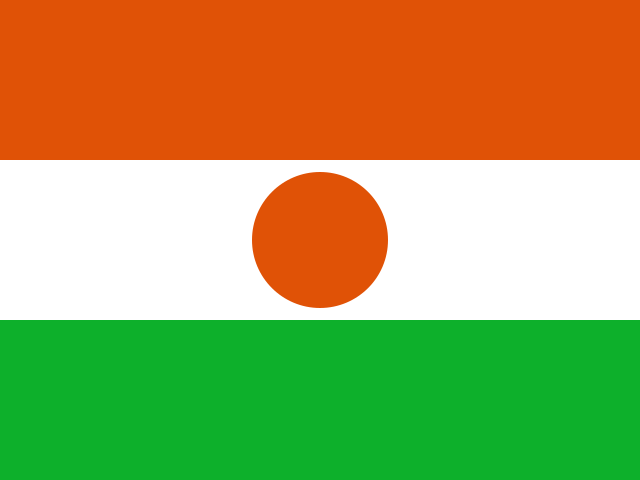
Orange, white and green stripes. Niger has an orange disc and is almost square. India has a navy-blue 24-spoke wheel.
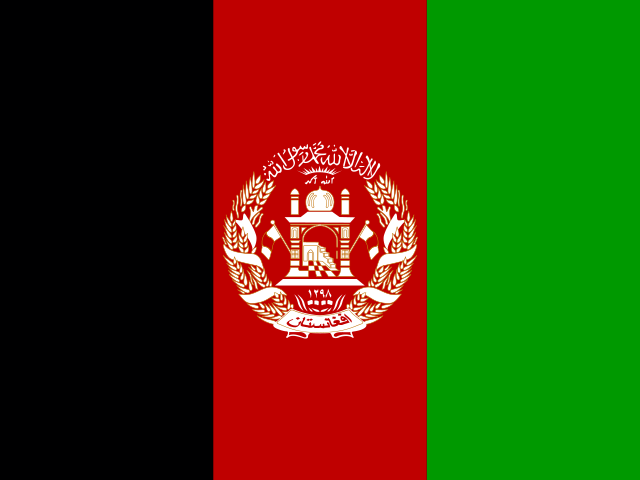
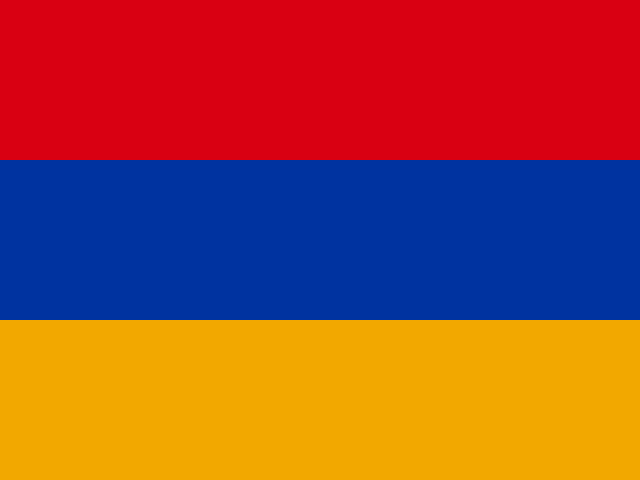
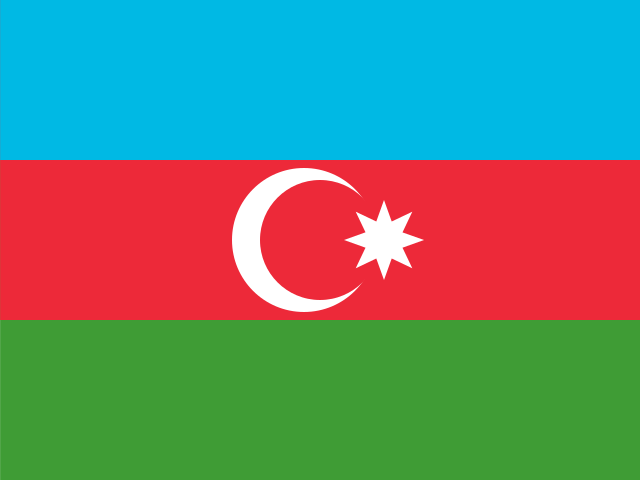
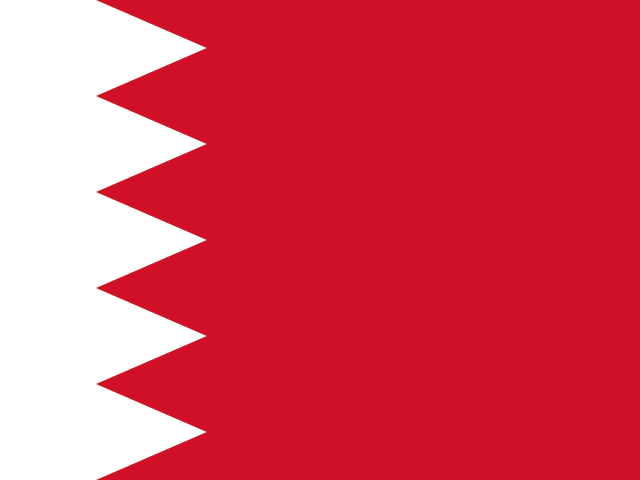
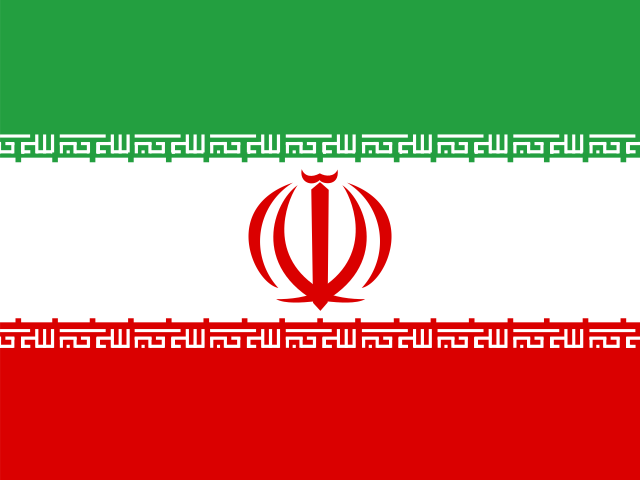
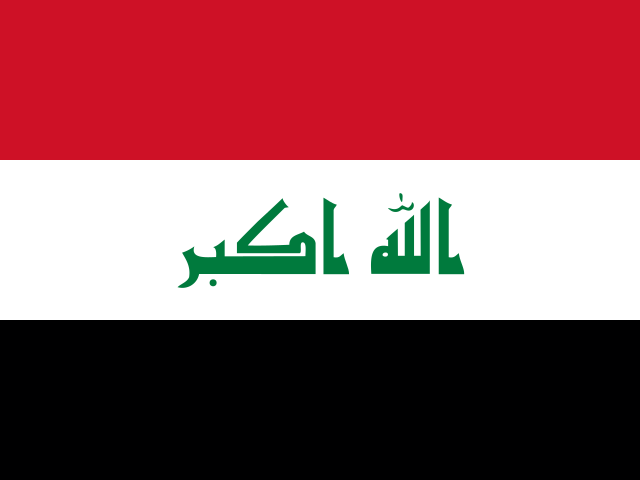
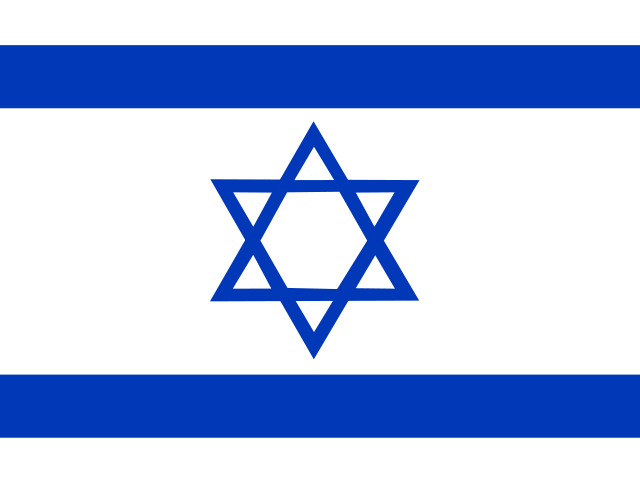
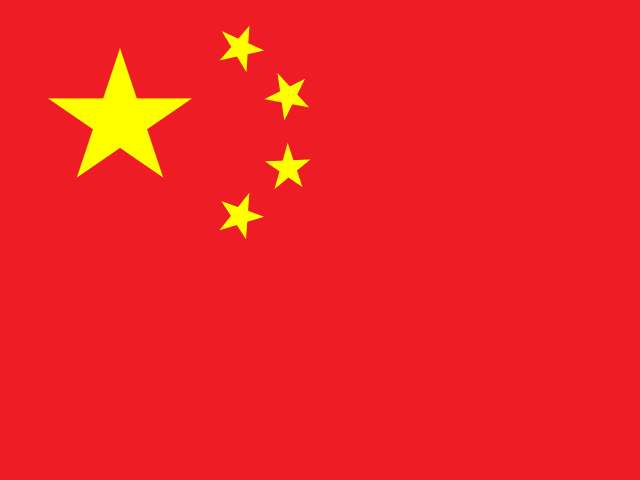
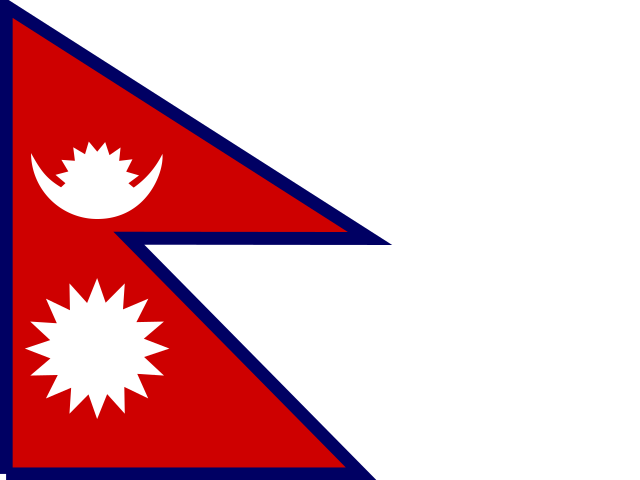
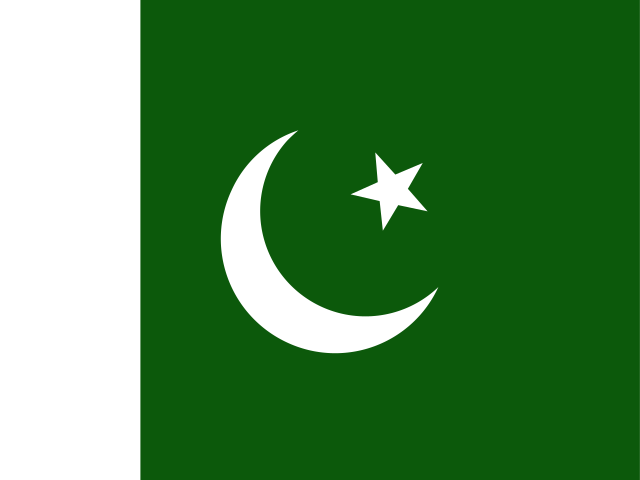
Flags of India's neighbours

Sources
- Wikipedia: Flag of India
- Flags of the World: India
Last reviewed 24 October 2026. Read how we research flags in our editorial policy, or report a mistake.