Flag of Equatorial Guinea
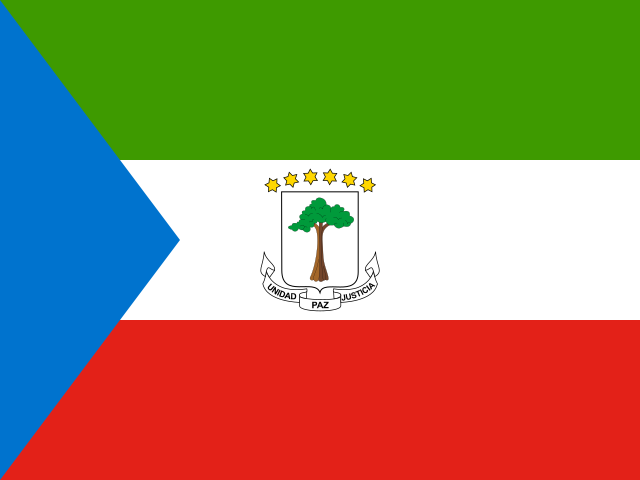
Three equal horizontal bands of green, white and red, with a blue triangle at the hoist. The national arms, a silk-cotton tree on a shield under six yellow stars, are in the centre of the white band.
What the flag means
The vexillologist Whitney Smith gives green as the country's vegetation, white as peace, red as the blood shed for independence and blue as the sea that joins the mainland and the islands. The six stars are the mainland and five islands. The motto on the arms is Unidad, Paz, Justicia (Unity, Peace, Justice).
History
Equatorial Guinea became independent from Spain on 12 October 1968, four days after parliament agreed the design, and early versions had no arms. During the dictatorship of Francisco Macías Nguema the arms were replaced by a set of tools and weapons topped by a chicken. Teodoro Obiang Nguema Mbasogo overthrew him on 21 August 1979, and the original arms were restored.
By local tradition, the first treaty between the people of the area and Spain was made under a silk-cotton tree, which is why the tree is on the arms.
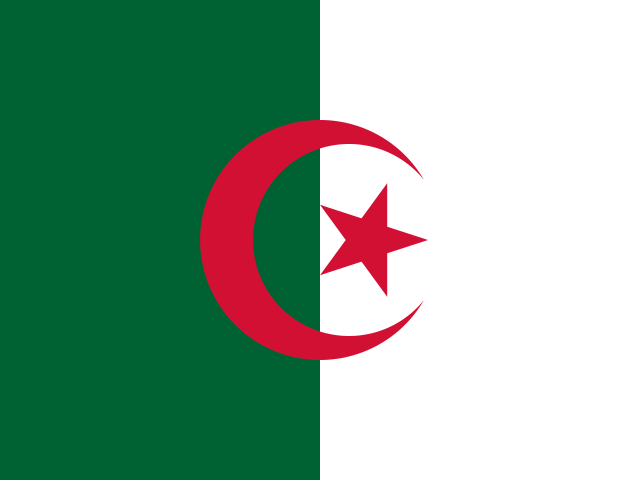
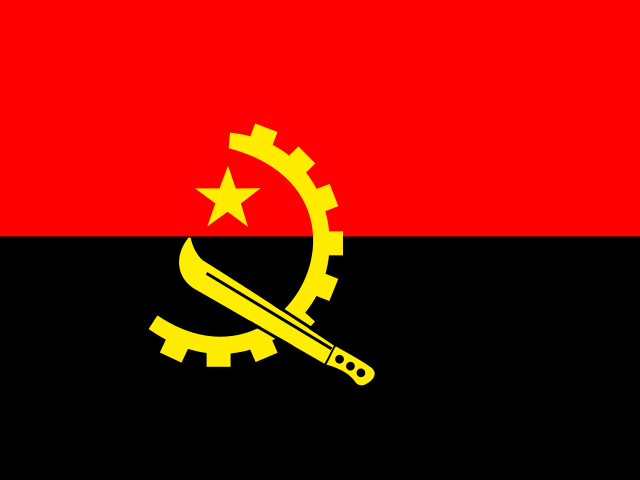
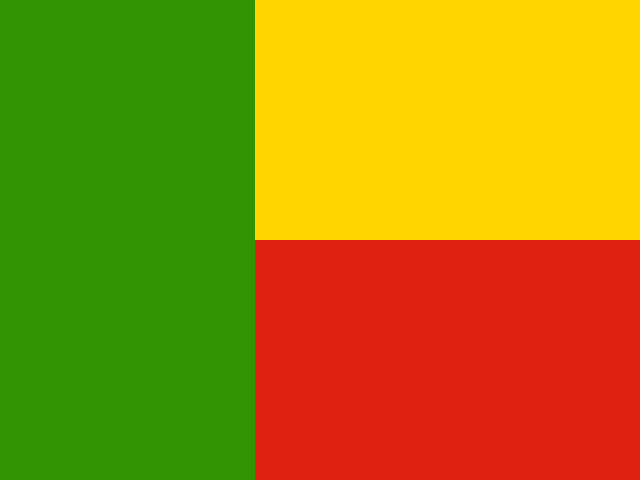
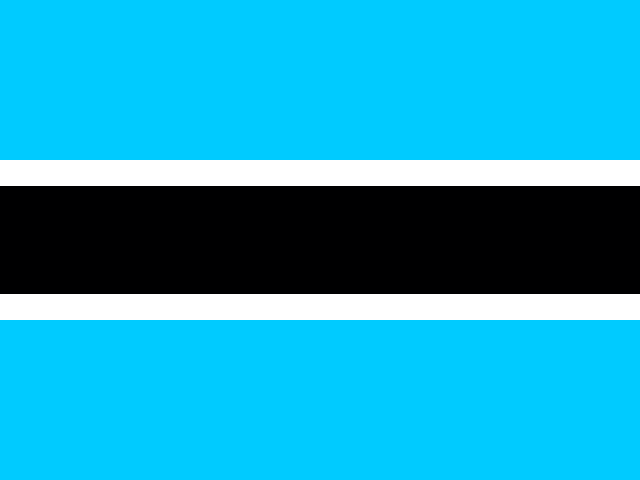
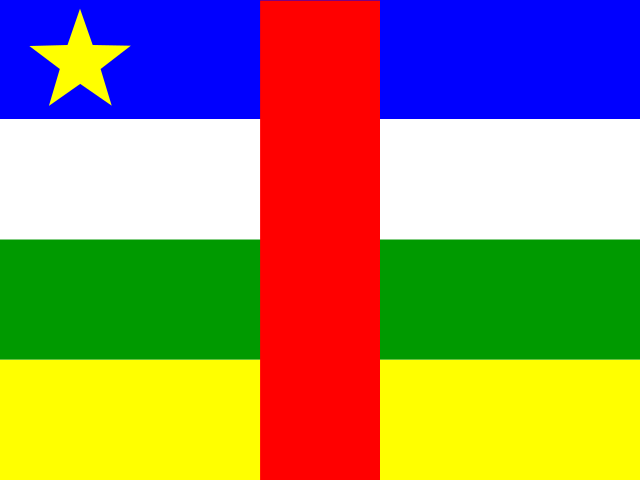
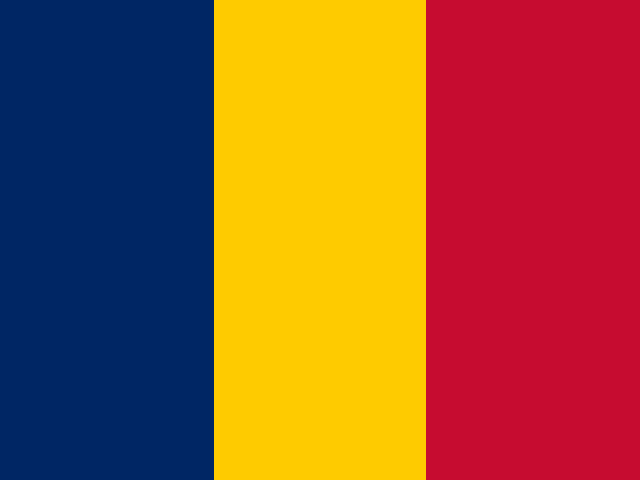
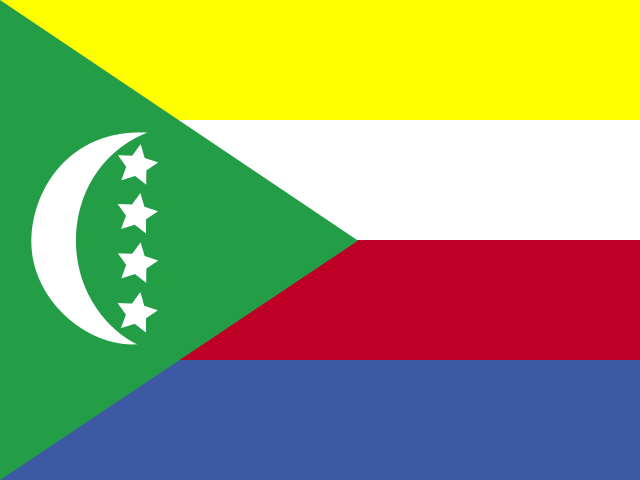
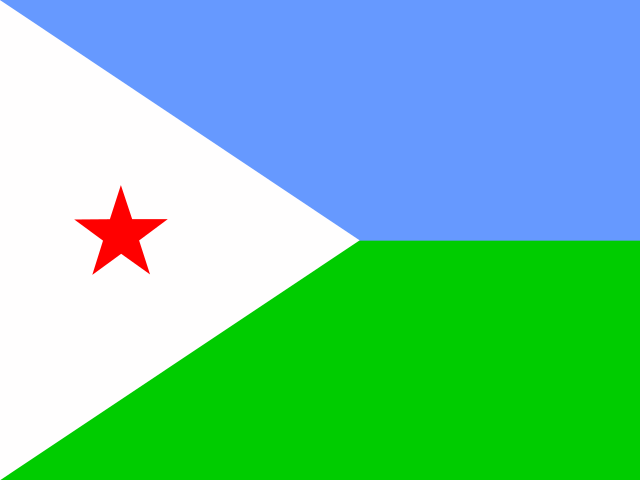
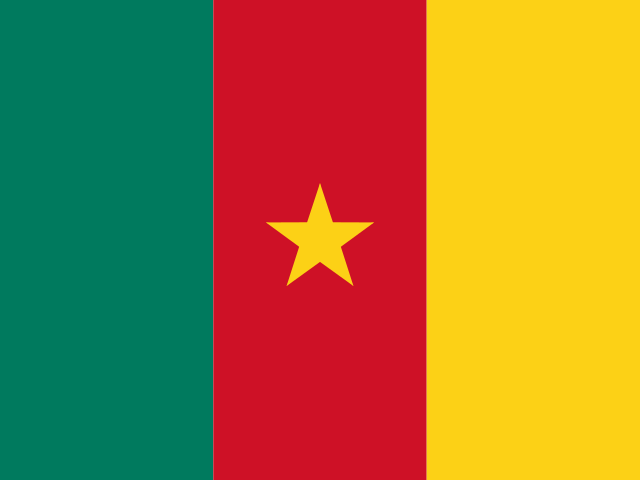
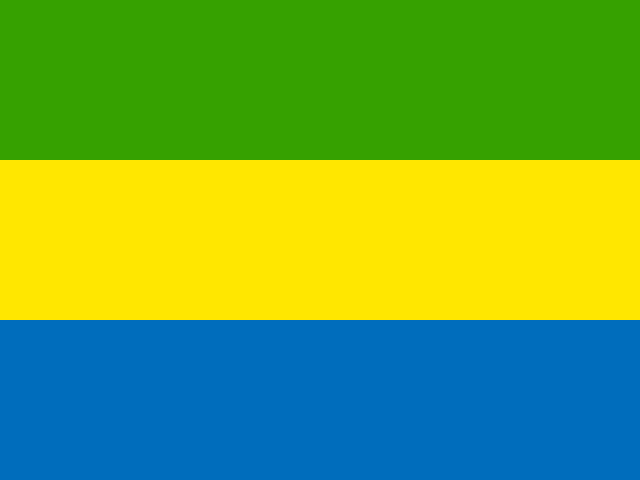
Flags of Equatorial Guinea's neighbours
Sources
- Wikipedia: Flag of Equatorial Guinea
- Flags of the World: Equatorial Guinea
Last reviewed 24 October 2026. Read how we research flags in our editorial policy, or report a mistake.