Flag of Angola
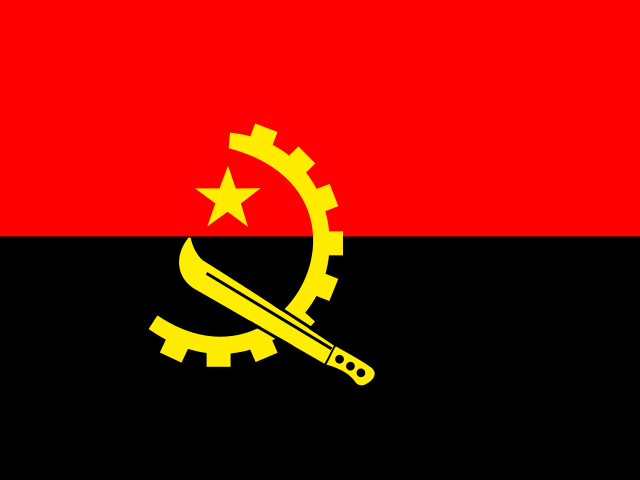
Two equal horizontal bands, red over black. In the centre is a yellow emblem of half a cogwheel crossed by a machete, with a five-pointed star.
What the flag means
Angola's constitution sets out the meanings. Red is the blood shed under colonial rule, in the independence struggle and in defence of the country, and black is Africa. The cogwheel stands for workers and industry, the machete for peasants, farming and the armed struggle, and the star for international solidarity and progress. Yellow is the country's wealth.
History
The flag is based on that of the MPLA, the movement that proclaimed the People's Republic of Angola. MPLA member Hermínio Escórcio credits the design to Henrique de Carvalho Santos, known as Henrique Onambwé. The Portuguese flag was lowered in Luanda on 10 November 1975, and the new flag was raised at the independence ceremony the next day. UNITA declared a rival state that day and flew its own flag in the areas it held until 2002. The 2010 constitution kept the design unchanged.
A replacement chosen through a public competition in 2003 had red, white and blue bands and a yellow sun drawn from rock paintings in Namibe Province. It was never adopted.
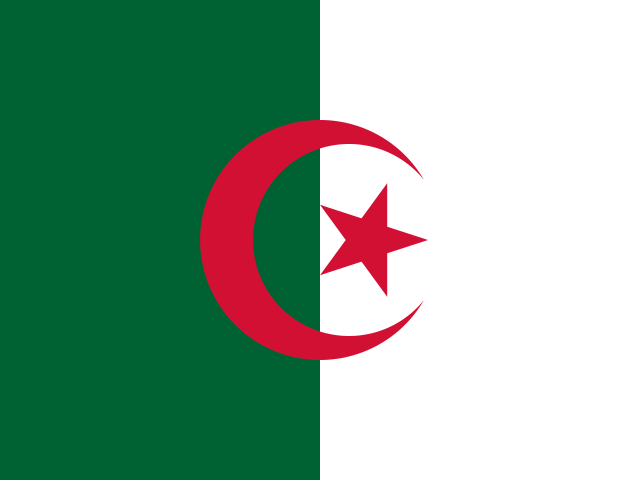
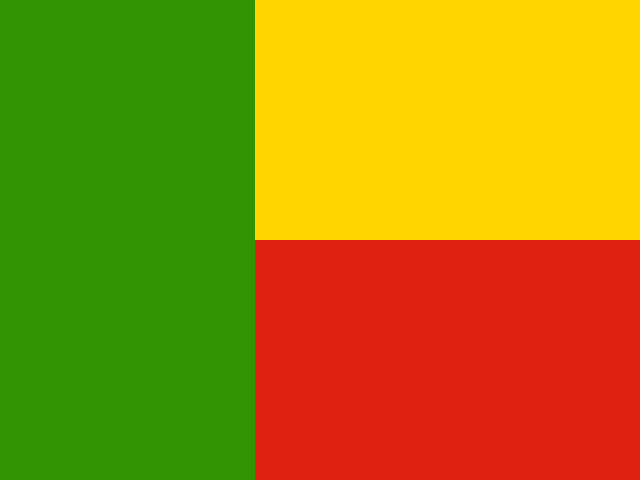
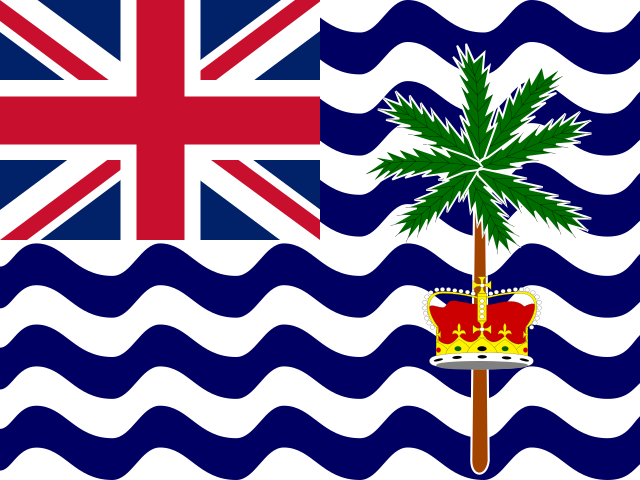
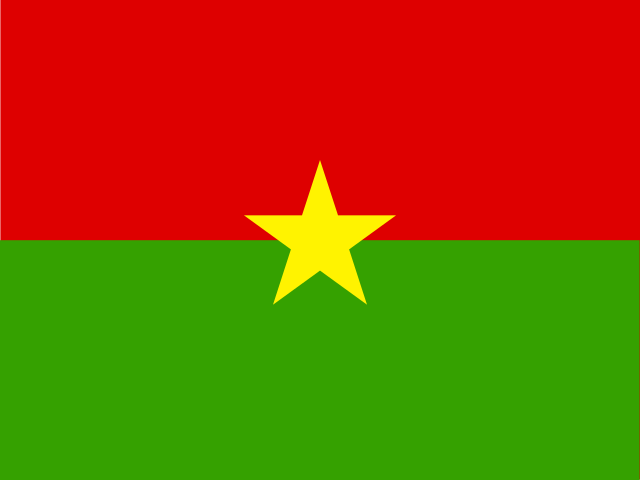
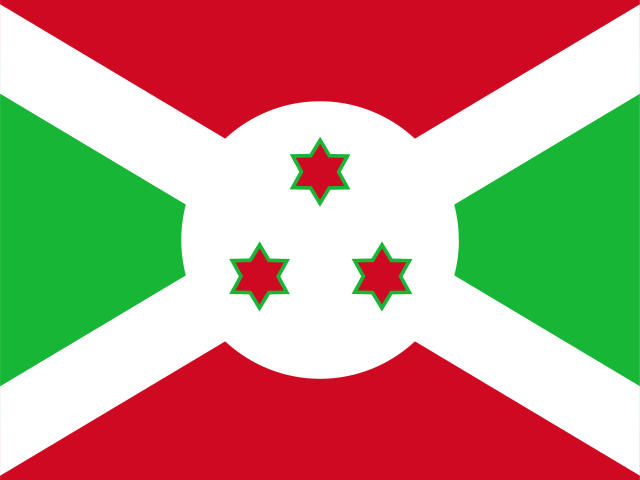
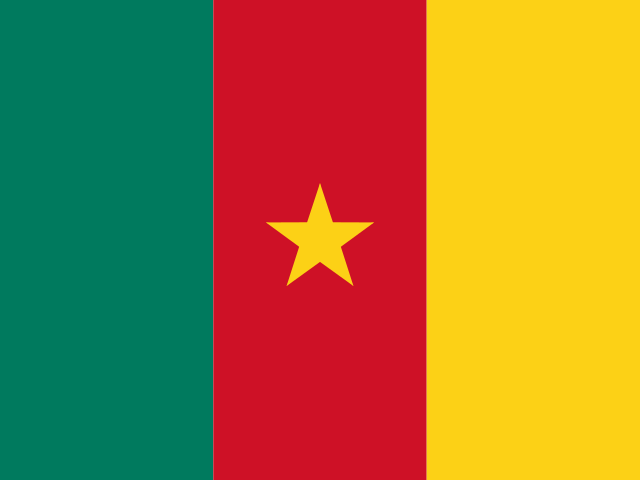
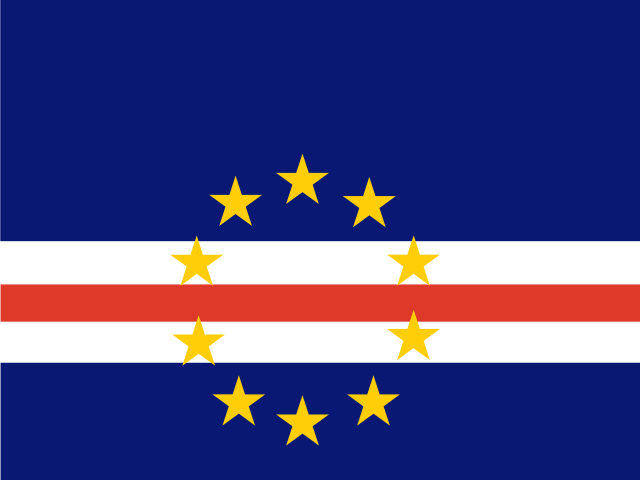
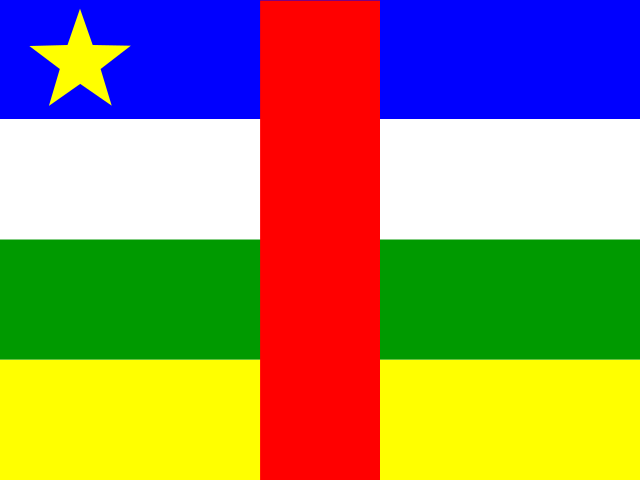
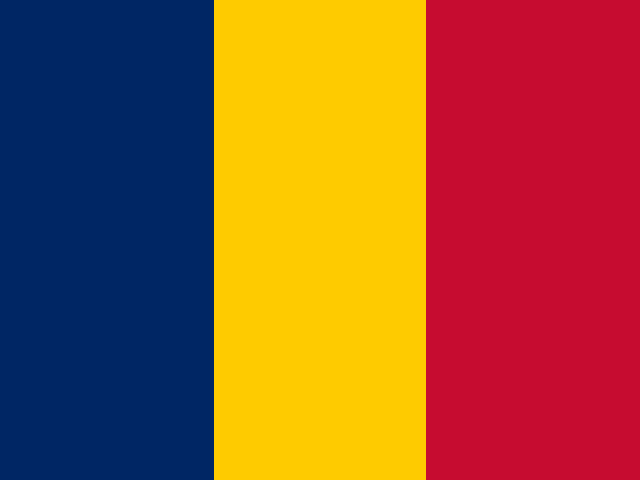
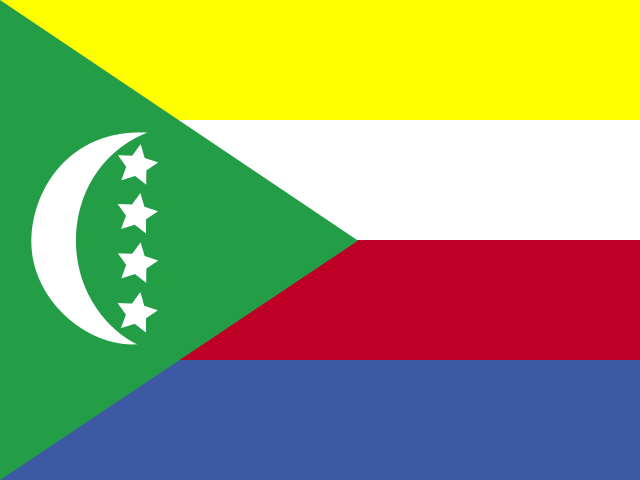
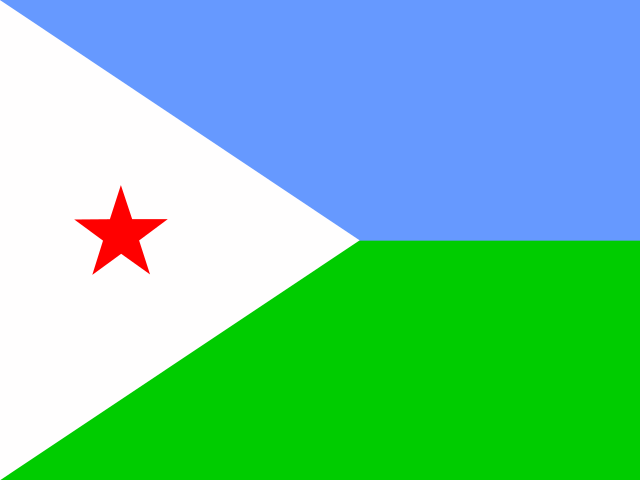
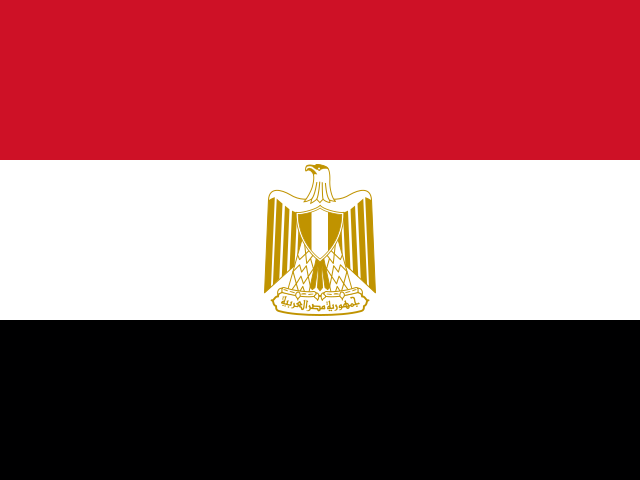
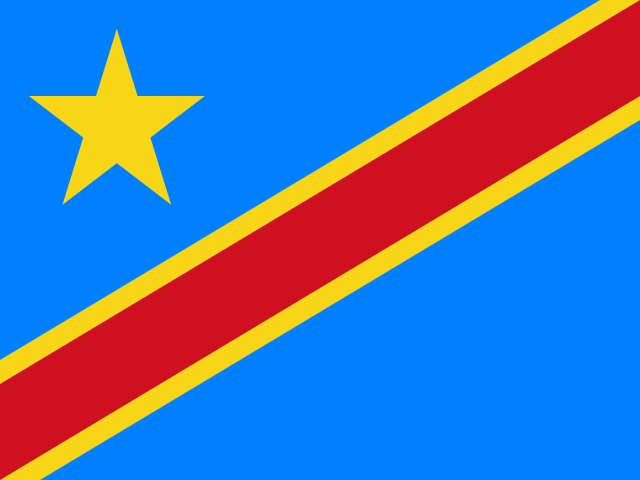
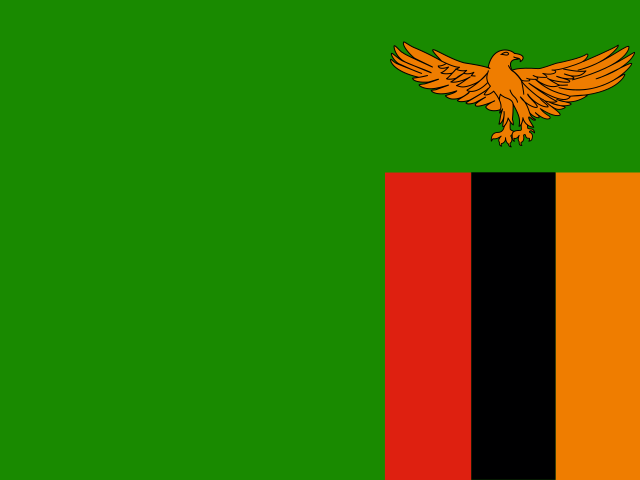
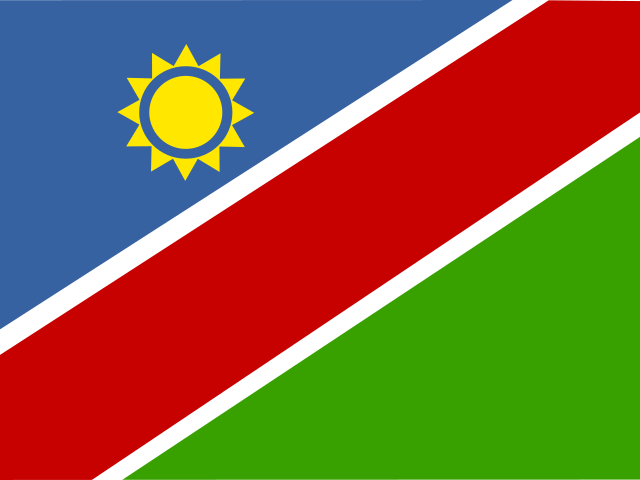
Flags of Angola's neighbours
Sources
- Wikipedia: Flag of Angola
- Flags of the World: Angola
Last reviewed 24 October 2026. Read how we research flags in our editorial policy, or report a mistake.