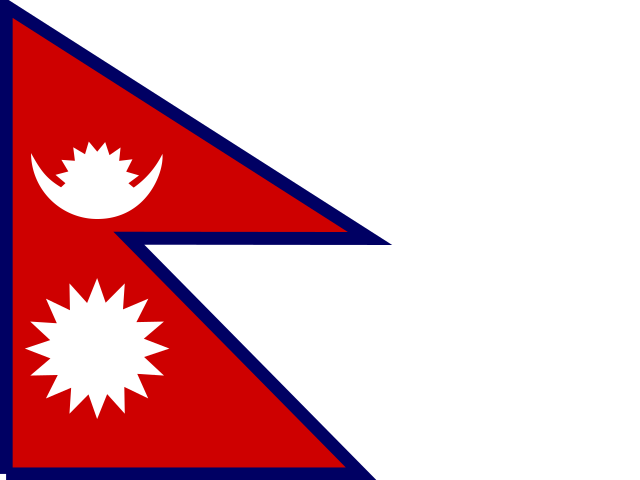
Flag of Nepal
Two red pennants, one stacked on the other, with a blue border. The upper pennant holds a white moon and the lower one a white sun.
What the flag means
Crimson is Nepal's national colour and the colour of the rhododendron, the national flower. The blue border is usually read as peace. Accounts of the two emblems differ: one links the moon to the royal house and the sun to the Rana family of hereditary prime ministers, while another reads them as a wish that Nepal lasts as long as the sun and moon.
History
The shape comes from two triangular pennants used by rival branches of the ruling dynasty, later joined into one flag. Until 1962 the sun and moon had human faces. These were dropped when the constitution of 16 December 1962 set out an exact geometric construction, because people had been drawing the flag in different ways. Shankar Nath Rimal, a civil engineer, prepared the standard version at King Mahendra's request. Schedule 1 of the 2015 constitution keeps the same construction.
It is the only national flag that is not a rectangle, and the only one that is taller than it is wide.
Earlier flags of Nepal
- c. 1930–1962Same double-pennant shape, with human faces on the sun and moon
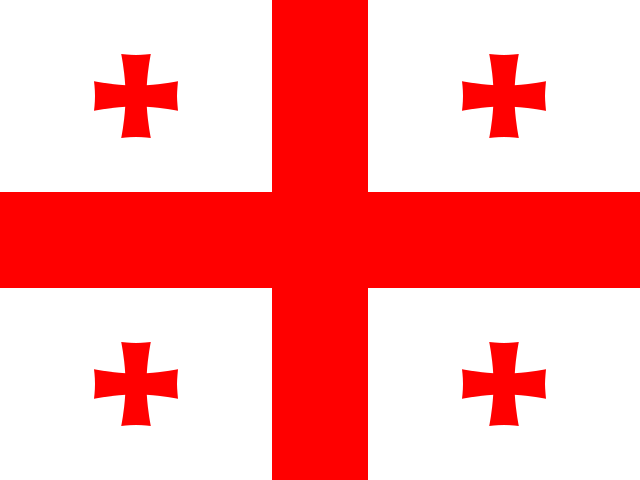
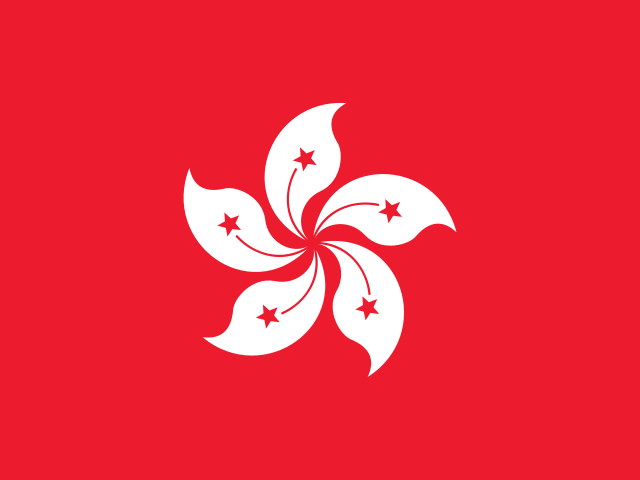
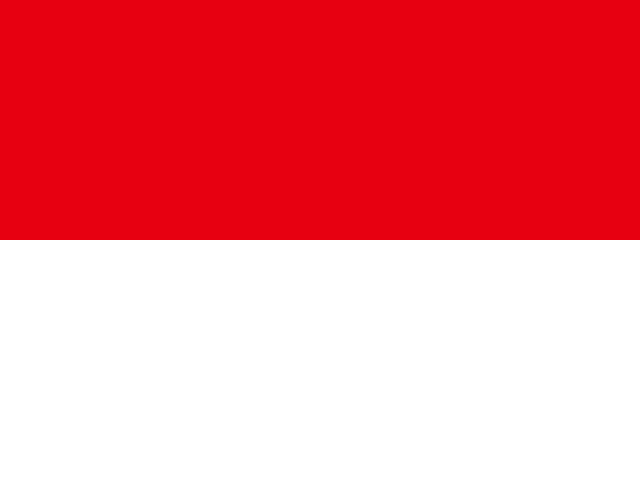
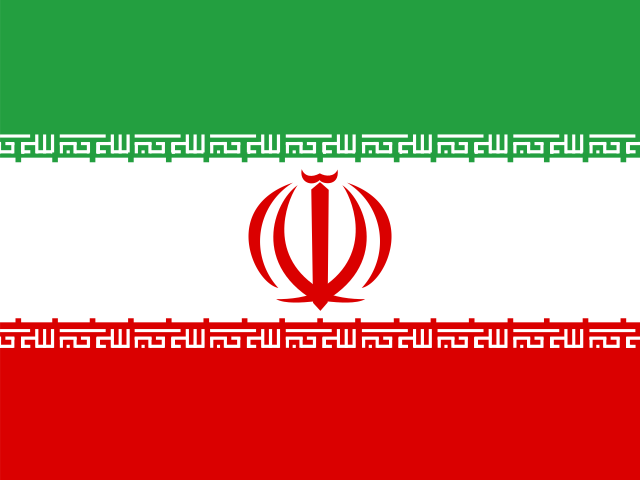
Flags of Nepal's neighbours
Sources
- Wikipedia: Flag of Nepal
- Flags of the World: Nepal
Last reviewed 24 October 2026. Read how we research flags in our editorial policy, or report a mistake.