Flag of Eswatini
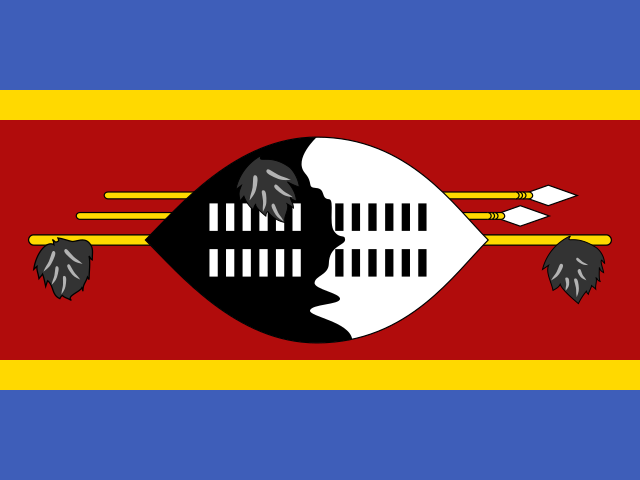
Horizontal stripes of blue, yellow, crimson, yellow and blue in the ratio 3:1:8:1:3. A black and white Nguni shield lies across the crimson stripe, over two spears and a staff hung with tassels.
What the flag means
A government leaflet gives crimson as past battles, yellow as the country's mineral wealth and blue as peace. The shield and spears stand for protection from enemies, and the black and white of the shield for black and white people living together in peace.
History
In 1941 King Sobhuza II gave a military flag to the Swazi Pioneer Corps, and the national flag is based on it. Sobhuza approved the final design, which was first raised on 25 April 1967 and registered with the College of Arms in London on 30 October 1967. It was adopted on 6 October 1968, a month after independence from Britain. Since 2011 some versions have used a paler blue and black tassels.
The tassels are injobo, bunches of widowbird and lourie feathers.
Earlier flags of Eswatini
- 1902–1968Union Flag of the United Kingdom, used in the Swaziland protectorate
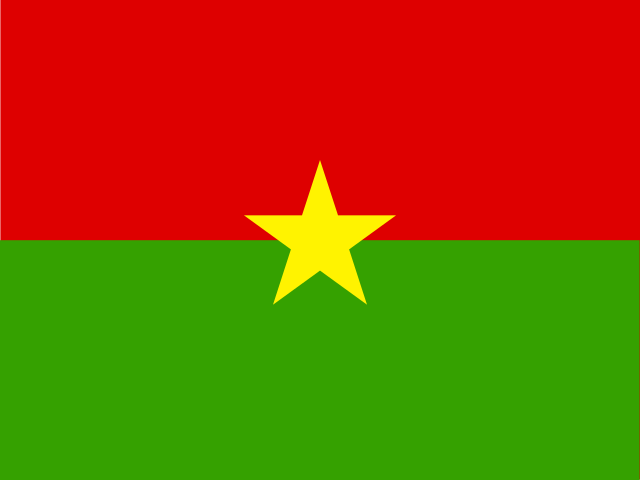
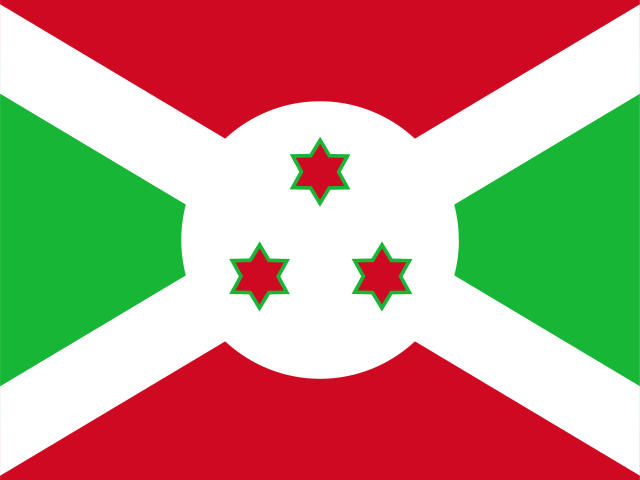
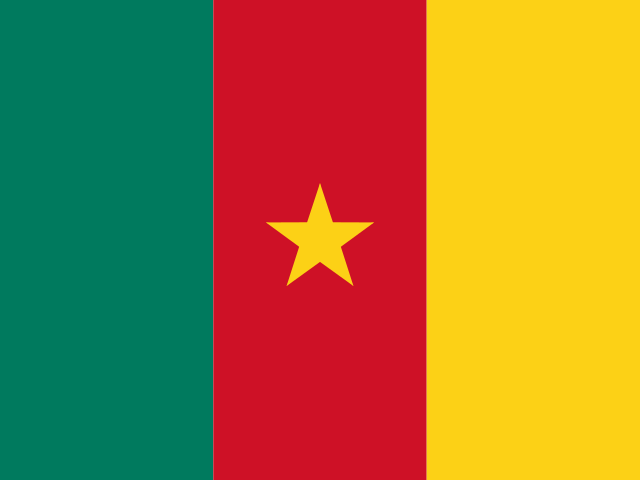
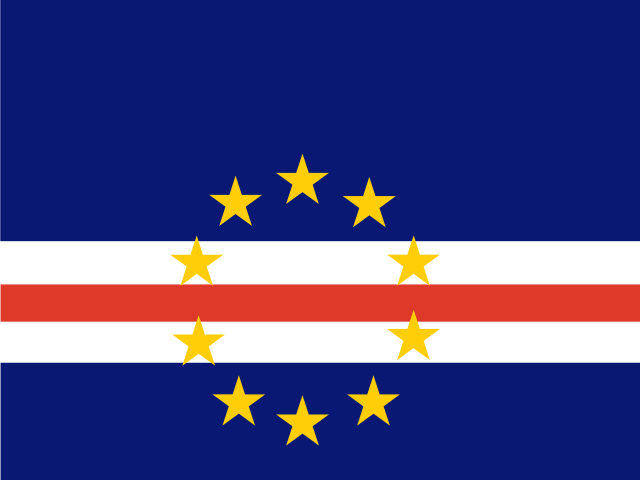
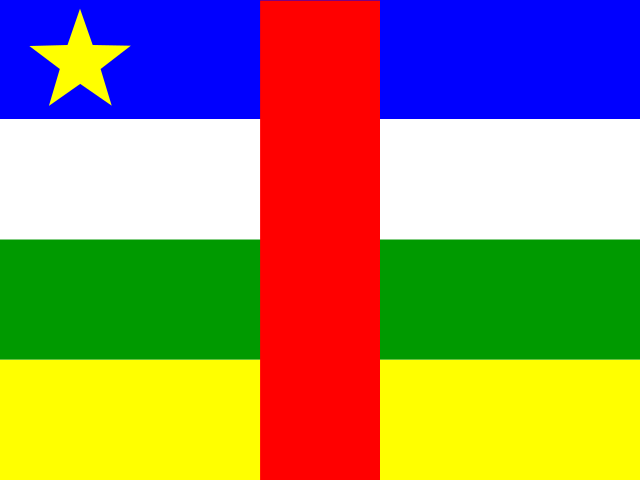
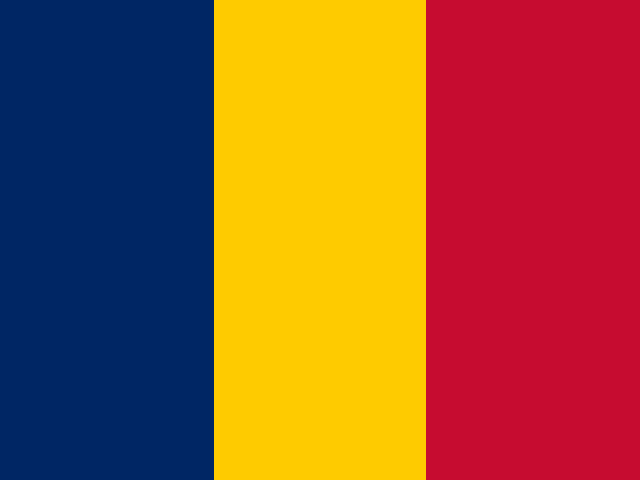
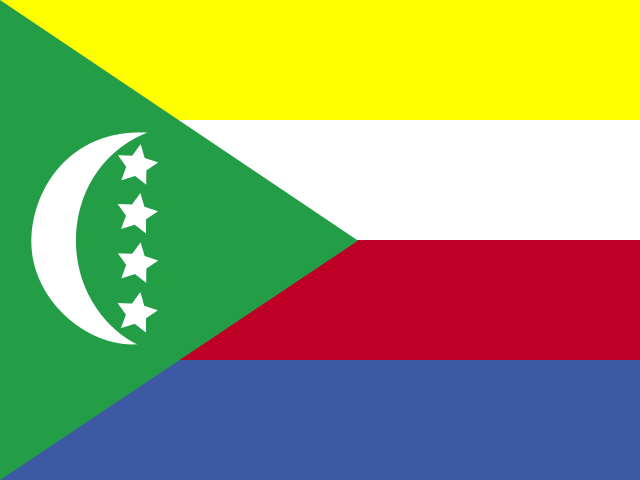
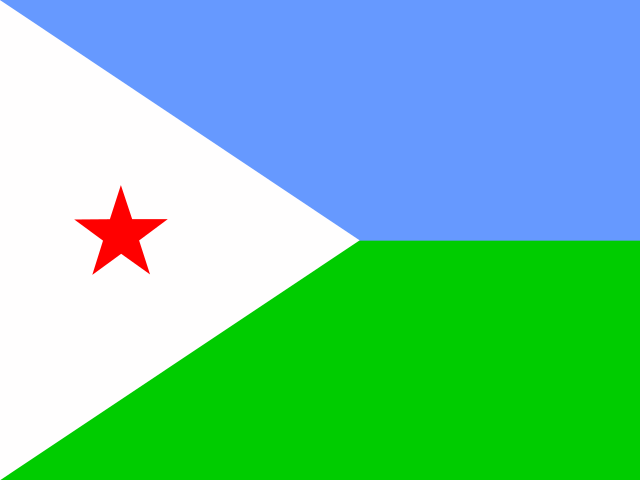
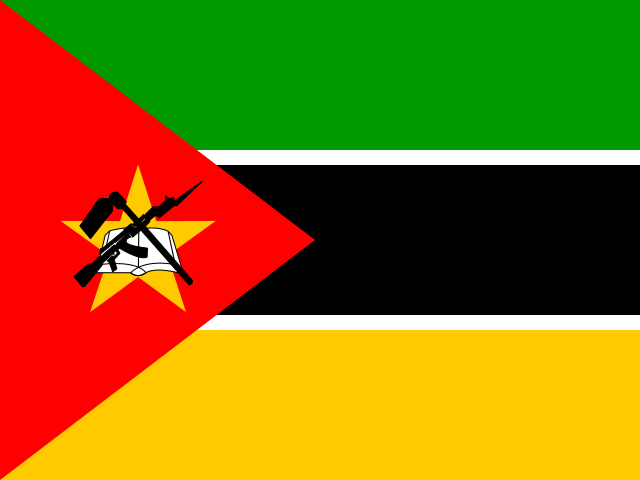
Flags of Eswatini's neighbours

Sources
- Wikipedia: Flag of Eswatini
- Flags of the World: Eswatini (Swaziland)
Last reviewed 24 October 2026. Read how we research flags in our editorial policy, or report a mistake.