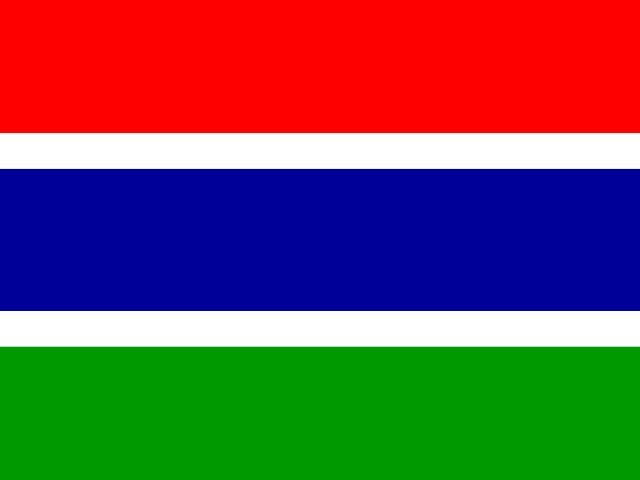
Flag of Gambia
Horizontal stripes of red, white, blue, white and green in the ratio 6:1:4:1:6. The thin white stripes separate the blue from the red and the green.
What the flag means
The common reading is red for the sun and the savanna, blue for the Gambia River, which gives the country its name, and green for forests and farming. The thin white stripes stand for unity and peace.
History
The design was the winning entry of Louis Thomasi, an accountant. Unlike most African flags of its time, it was not drawn from the colours of a leading political party. The flag replaced the British Blue Ensign with the colony's badge and was first raised at midnight on 18 February 1965, when the Gambia became independent. During the Senegambia Confederation with Senegal in the 1980s it stayed unchanged.
Luxembourg's 2013 coalition of three parties whose colours are red, blue and green was nicknamed the Gambia coalition after this flag.
Earlier flags of Gambia
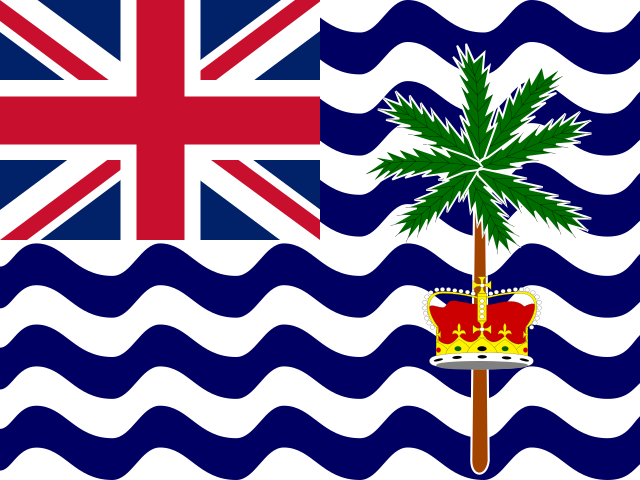
- 1888–1965British Blue Ensign with the colony's badge of an elephant, palm tree and hills
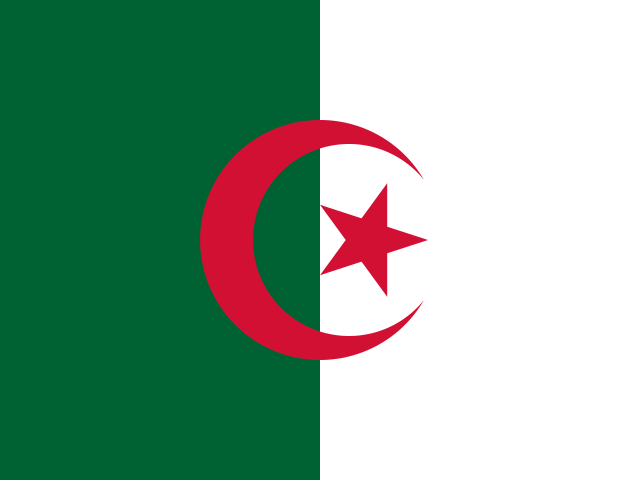
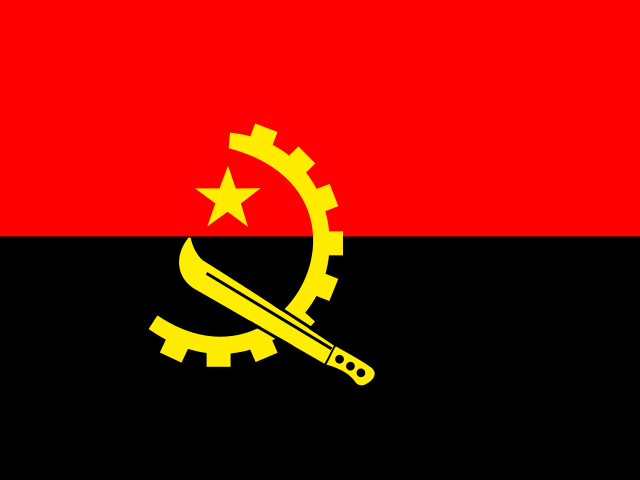
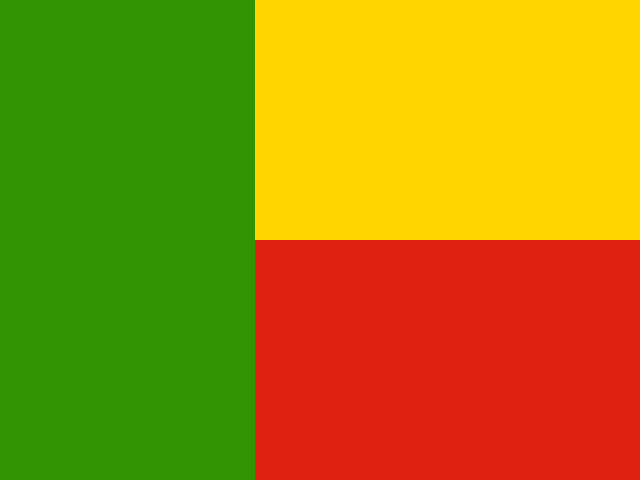
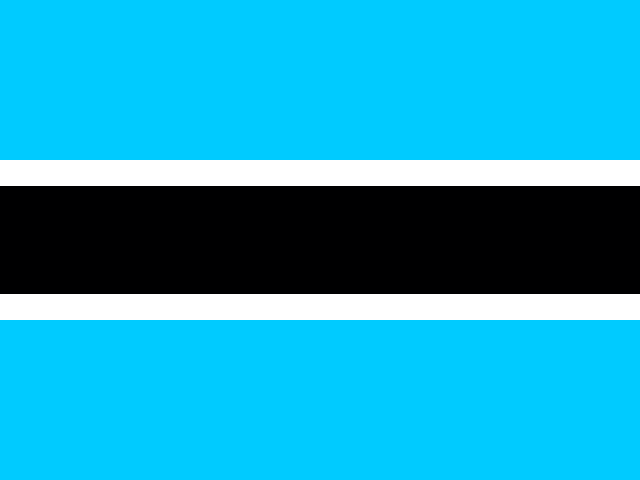
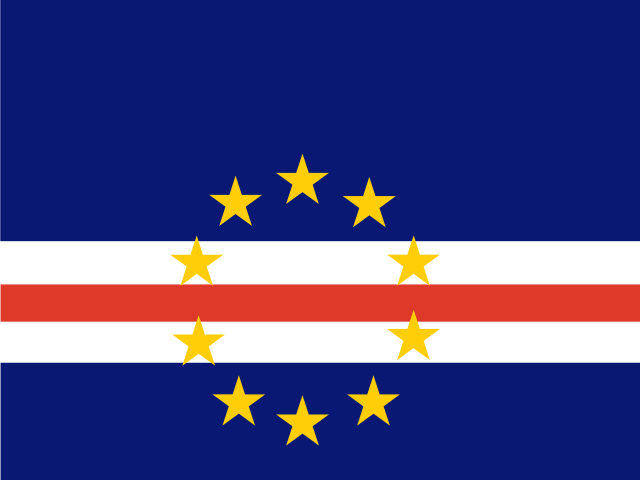
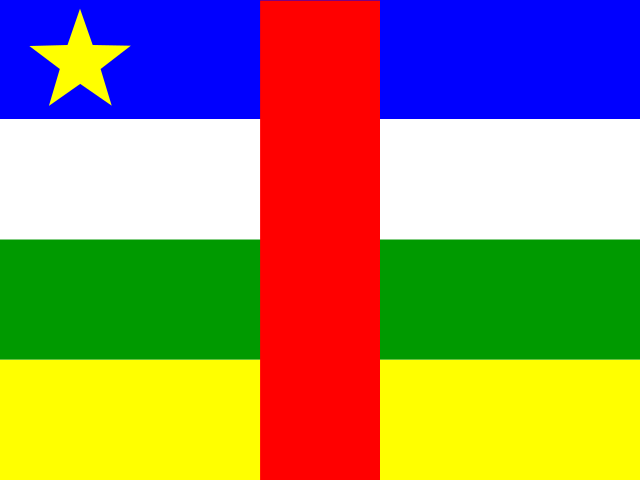
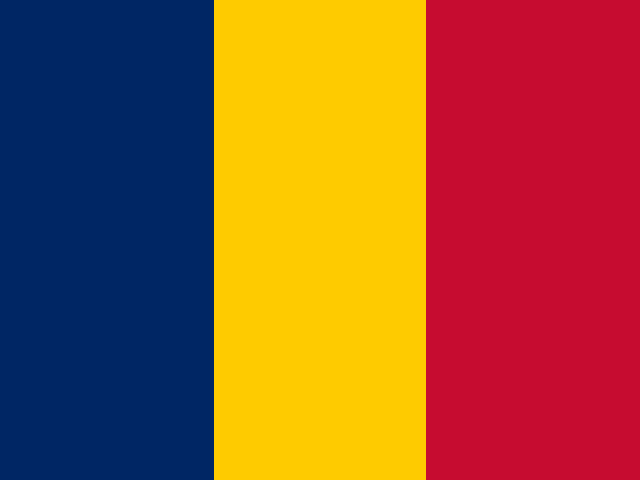
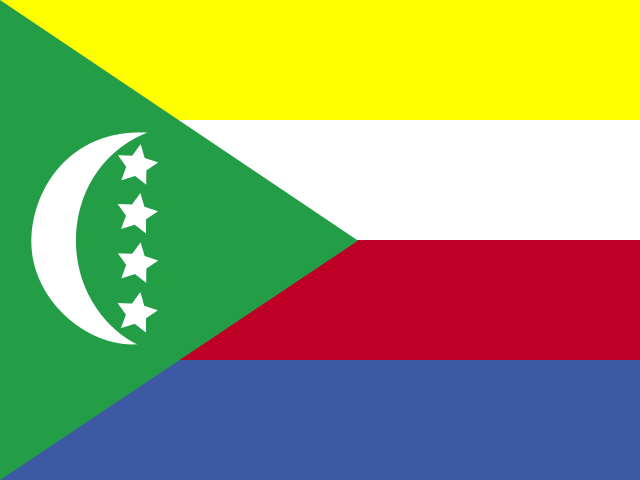
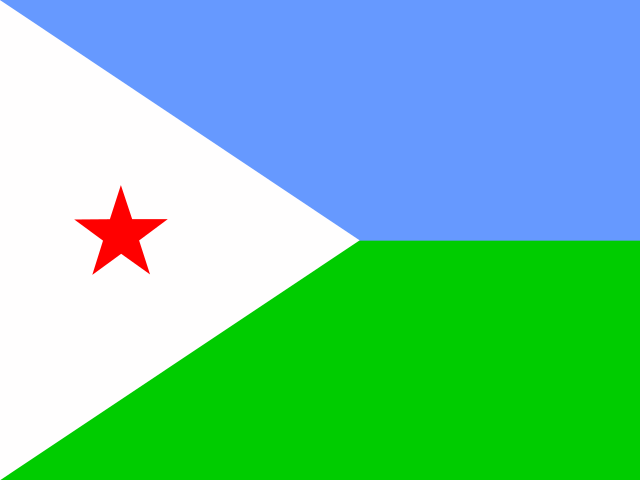
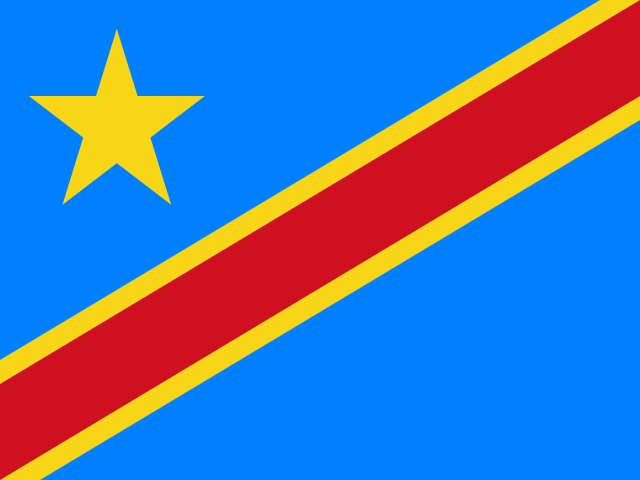
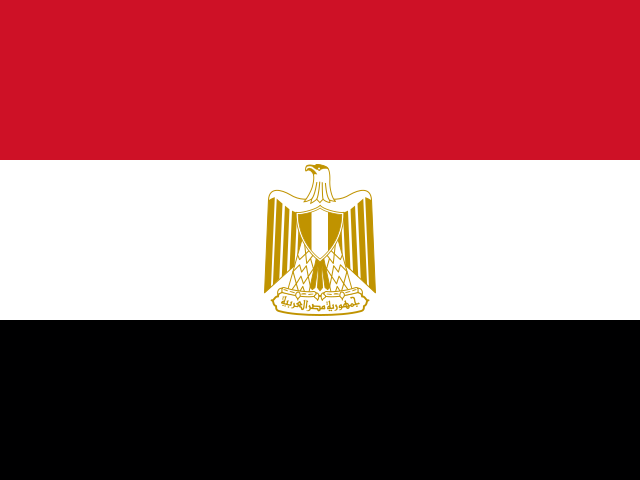
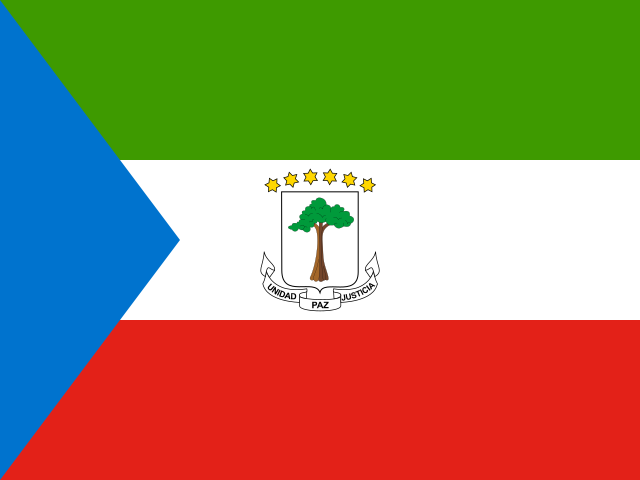
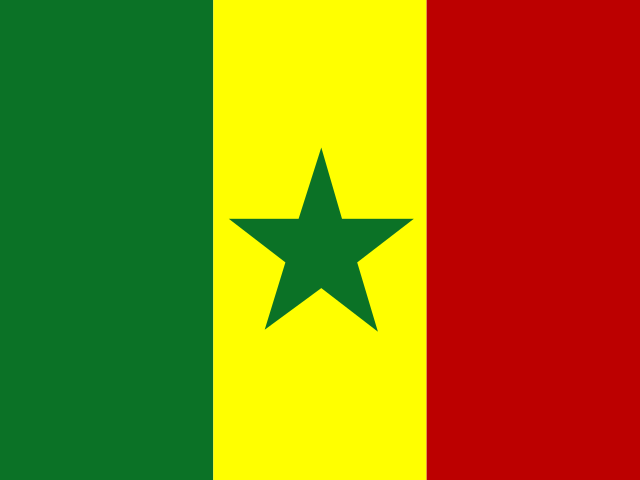
Flags of Gambia's neighbours
Sources
- Wikipedia: Flag of the Gambia
- Flags of the World: Gambia
Last reviewed 24 October 2026. Read how we research flags in our editorial policy, or report a mistake.