Flag of South Korea
A white field with a central circle split by a wave-shaped line, red above and blue below. Four black trigrams, each of three solid or broken bars, sit diagonally around it near the corners.

What the flag means
South Korea's government describes the white ground as peace and purity. In the central taegeuk, red is yang and blue is yin, the two opposing cosmic forces kept in balance. The four trigrams, taken from the I Ching, stand for heaven, earth, fire and water.
History
Joseon had no national flag when it negotiated treaties with Japan in 1876 and the United States in 1882, so King Gojong ordered one in 1882. Park Yeong-hyo, a Joseon official, used a version that year, and the government promulgated the taegukgi on 27 January 1883. During Japanese rule, the Provisional Government in exile used a version from 1919. The Republic of Korea fixed the present geometry on 15 October 1949, and a presidential ordinance of 25 October 1997 specified the colours.
Earlier flags of South Korea
- 1883–1910Earlier taegukgi of Joseon and the Korean Empire
- 1919–1948Taegukgi version of the Provisional Government of the Republic of Korea
- 1948–1949Taegukgi used before the 1949 standard fixed its geometry
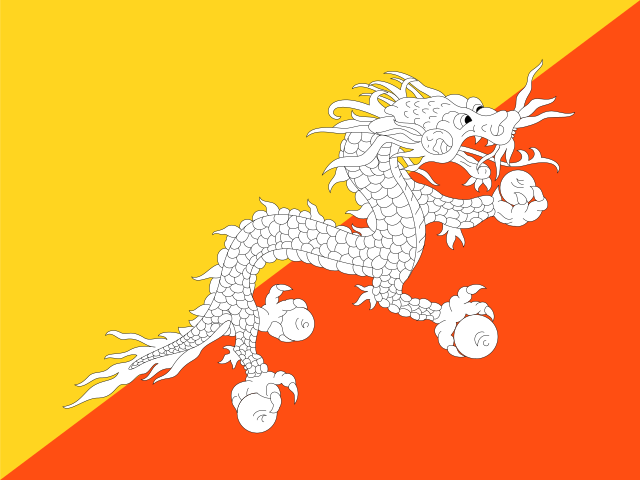
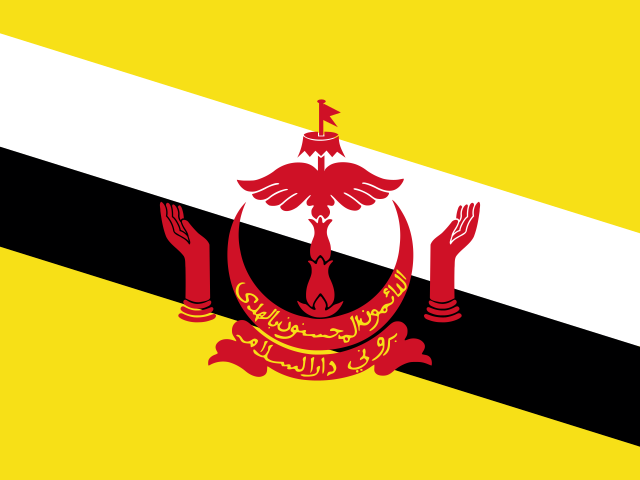
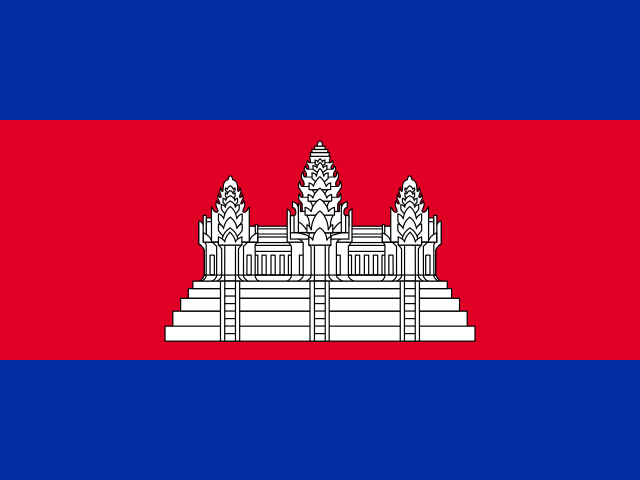
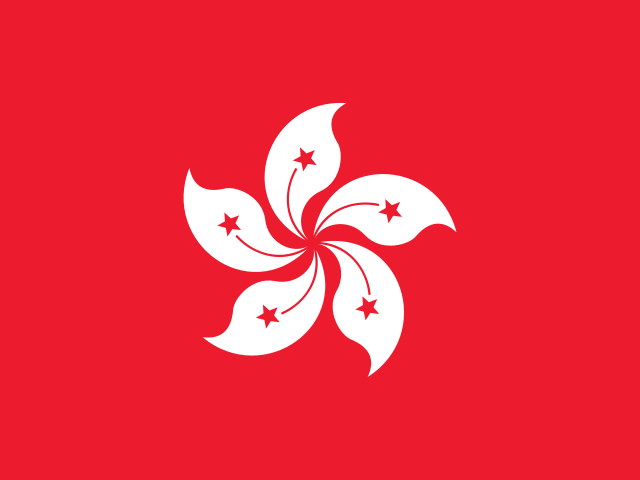
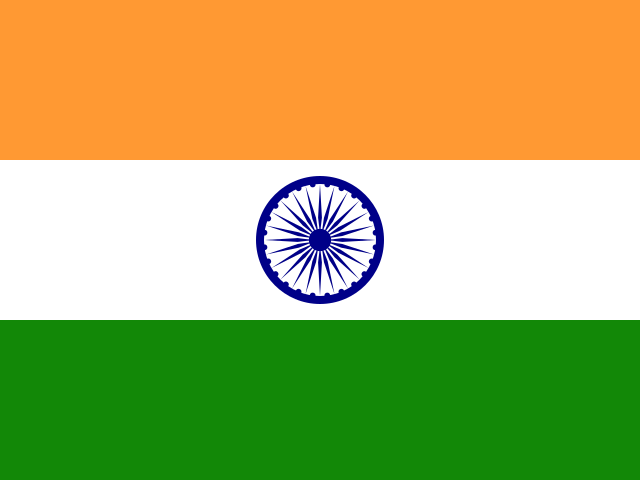
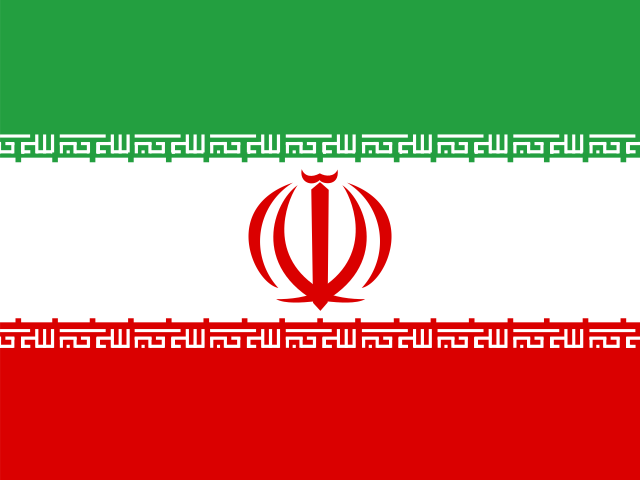
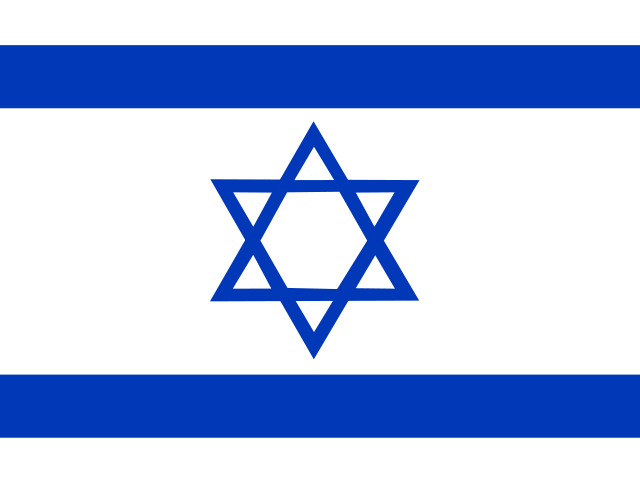
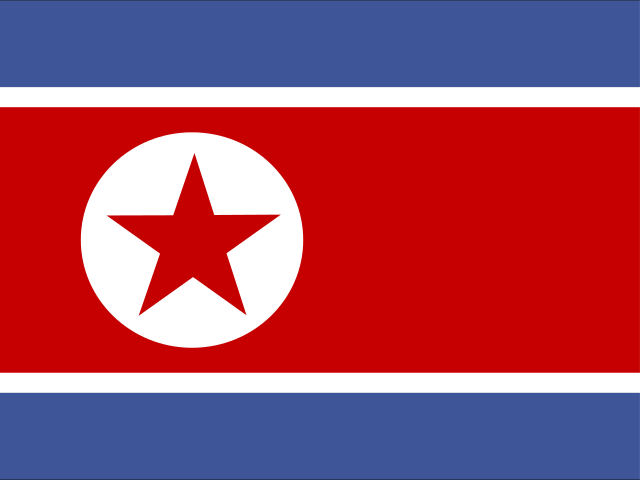
Flags of South Korea's neighbours
Sources
- Wikipedia: Flag of South Korea
- Flags of the World: South Korea
Last reviewed 24 October 2026. Read how we research flags in our editorial policy, or report a mistake.