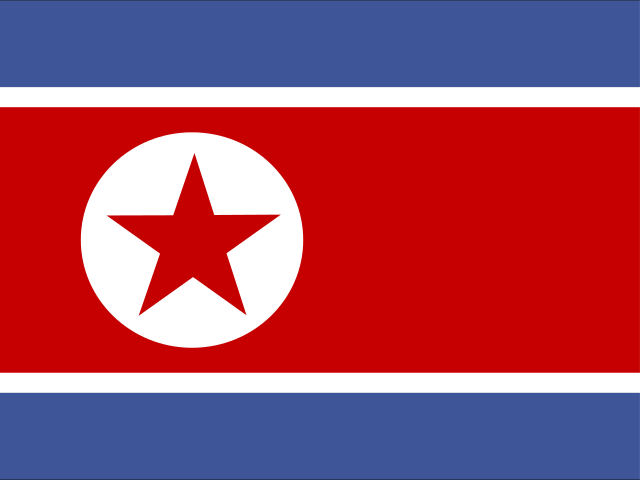
Flag of North Korea
A wide red stripe edged with thin white stripes, between blue stripes at the top and bottom. Near the hoist, a white disc on the red stripe holds a red five-pointed star.
What the flag means
The constitution describes the flag without explaining it. In 2013 the state newspaper Rodong Sinmun attributed meanings to Kim Il Sung: red for the blood of patriots who fought Japan, white for a nation of one bloodline, and blue for the struggle for world peace.
History
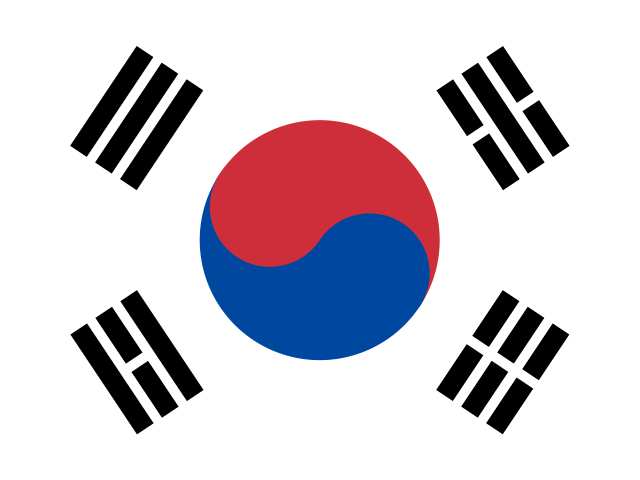
Soviet officials began pressing for a new flag in 1947, and in February 1948 Kim Il Sung ordered the changes that gave the present layout. The flag replaced the taegukgi at a ceremony on 10 July 1948 and was adopted with the first constitution on 8 September 1948. Its designer is disputed: the government credits Kim Il Sung, while other accounts name the artist Kim Chu-gyong or Soviet officials. A National Flag Law followed in 1992. In March 2026, reports said a constitutional amendment had changed the proportions from 1:2 to 1:1.65.
At Kijong-dong, a village in the Demilitarized Zone, a North Korean flag weighing about 270 kg flies from a 160-metre mast.
Earlier flags of North Korea
- 1883–1910Taegukgi of Joseon and the Korean Empire, also used in the north 1945–1948
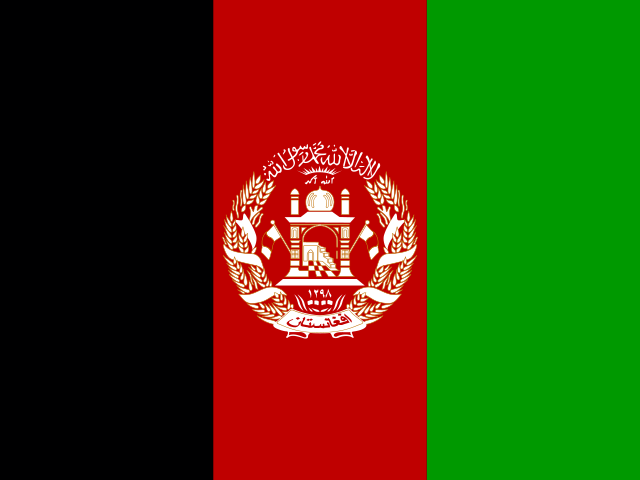
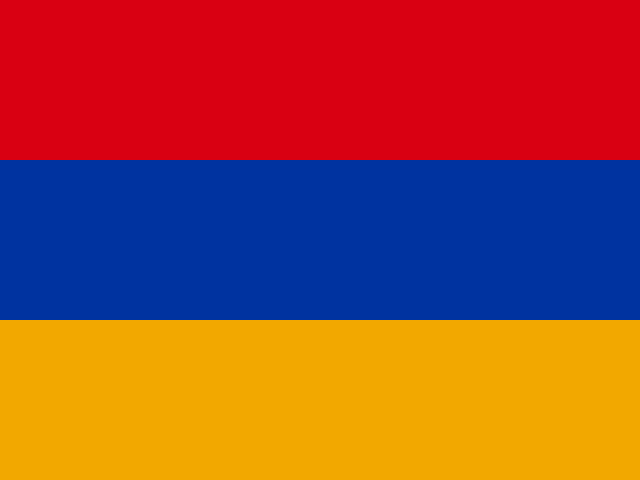
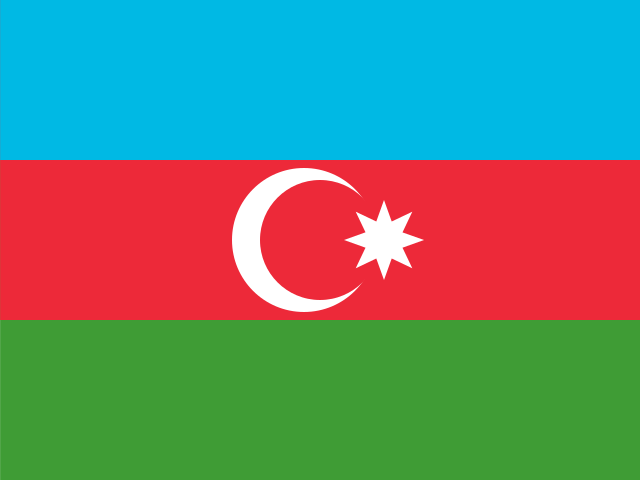
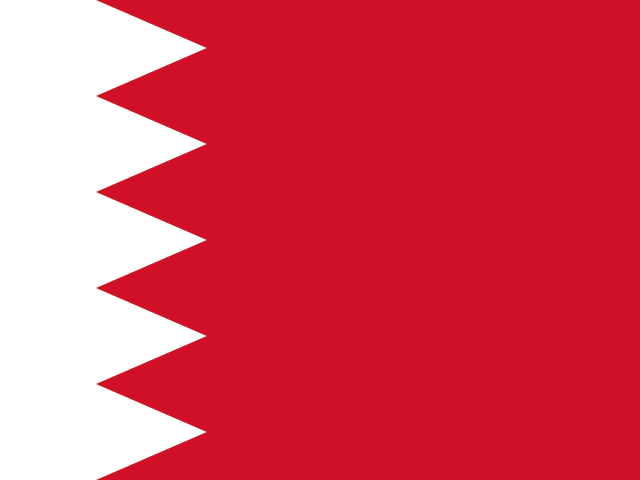
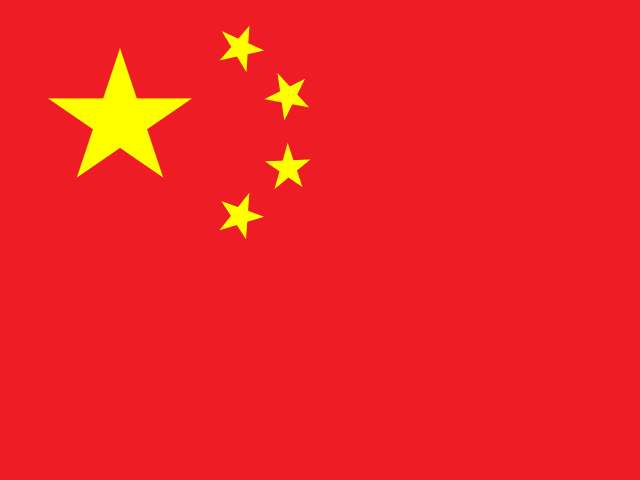
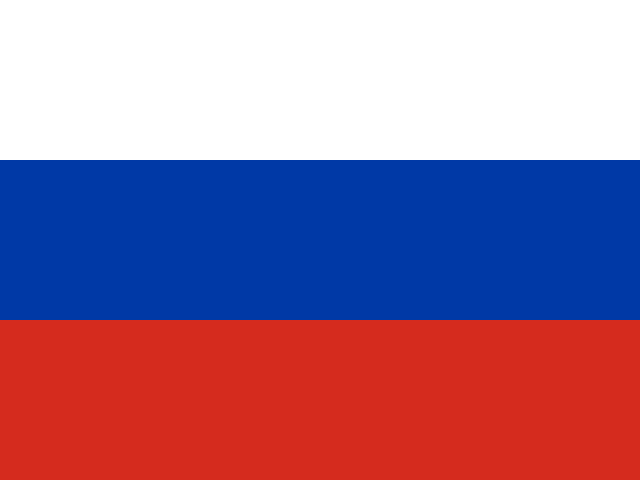
Flags of North Korea's neighbours
Sources
- Wikipedia: Flag of North Korea
- Flags of the World: North Korea
Last reviewed 24 October 2026. Read how we research flags in our editorial policy, or report a mistake.