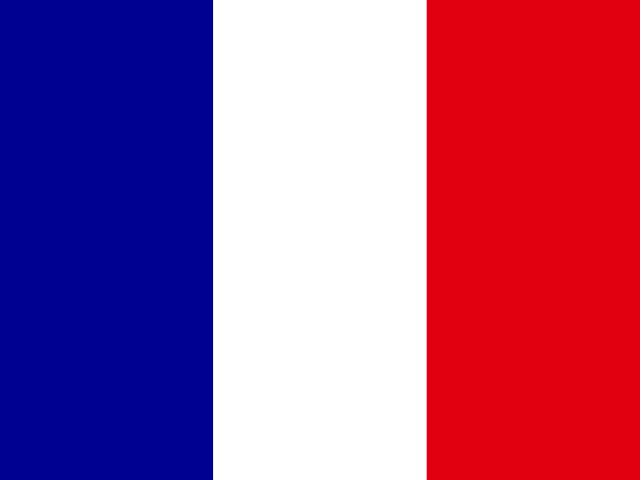
Flag of Russia
Three equal horizontal bands of white, blue and red.
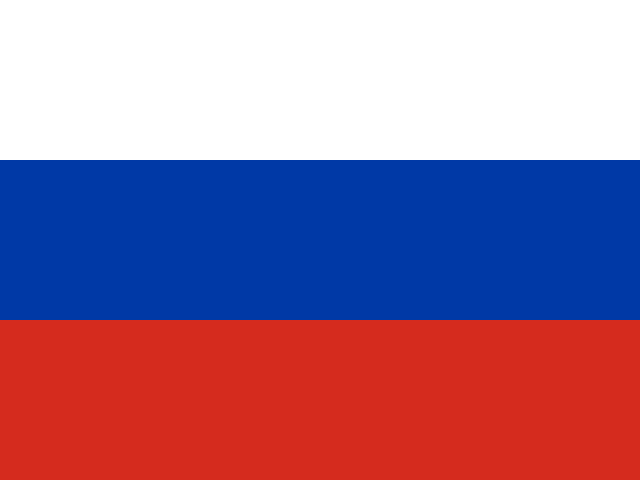
What the flag means
Russian law gives the colours no official meaning. Under Alexander III the official reading was white for nobility and frankness, blue for faithfulness and honesty, and red for courage and generosity.
History
Peter the Great introduced the tricolour in 1693, and a decree of 1705 made it the flag of Russian merchant ships. Alexander III allowed its use on land in 1883, and an imperial order of 1896 made it the sole national flag in place of the black, yellow and white flag. The Bolsheviks banned it in 1917. The RSFSR restored it on 22 August 1991. A decree of 11 December 1993 set the 2:3 proportions, and a federal constitutional law of 25 December 2000 confirmed the flag.
National Flag Day is 22 August, set by a presidential decree of 20 August 1994. It is a working day.
Earlier flags of Russia
- 1858–1896Black, yellow and white horizontal tricolour (imperial flag)
- 1954–1991RSFSR: red with a light blue stripe near the hoist, gold hammer and sickle
- 1991–1993White, blue and red tricolour in 1:2 proportions
Flags that look like this one
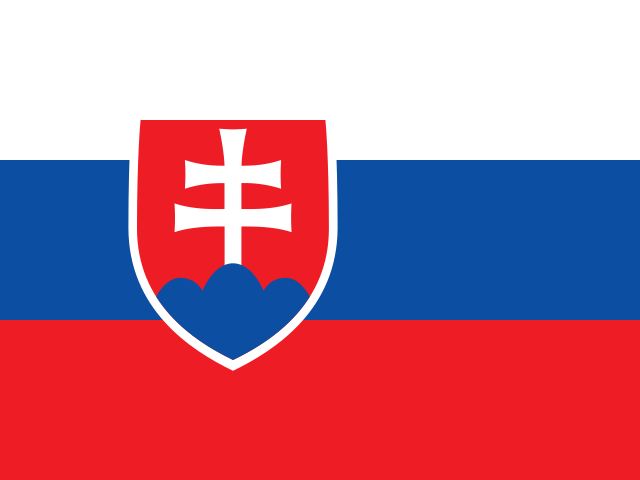
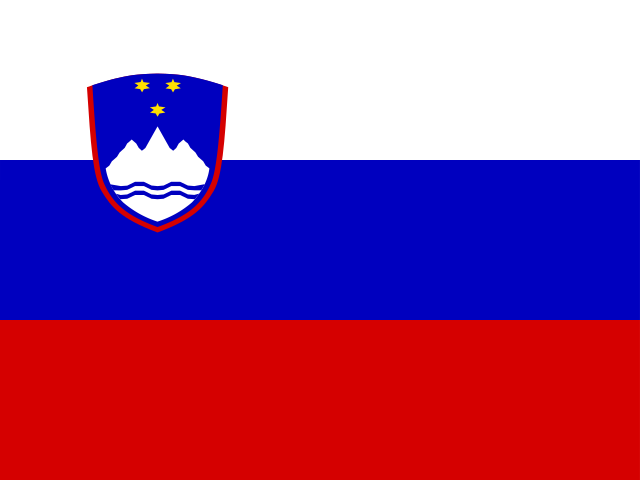
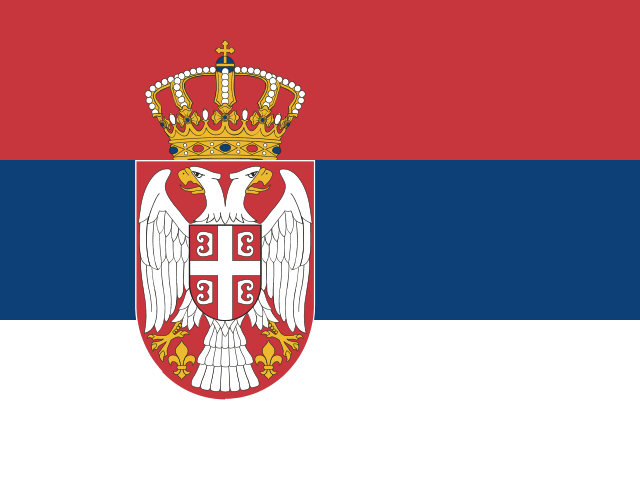
Russia is plain white, blue and red. Slovakia adds a shield with a white double cross; Slovenia's smaller shield shows a white mountain. Serbia reverses the order to red, blue, white and adds its coat of arms.
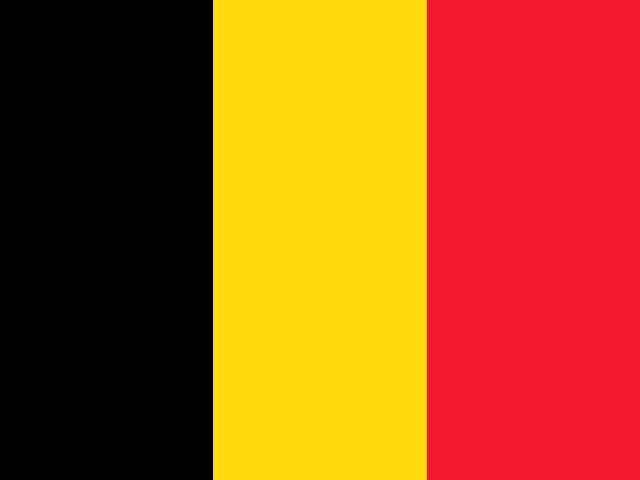
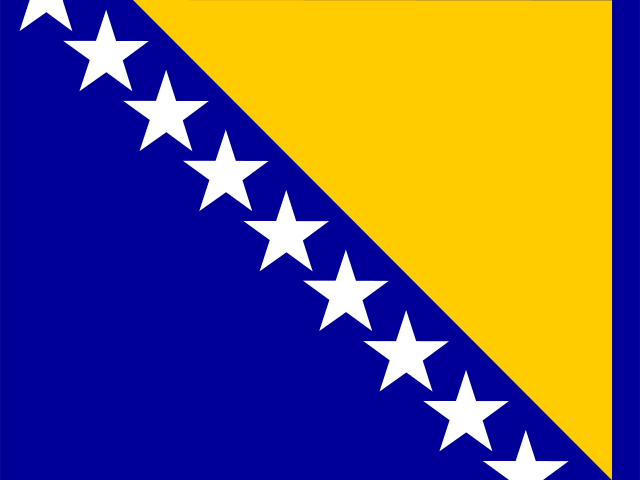
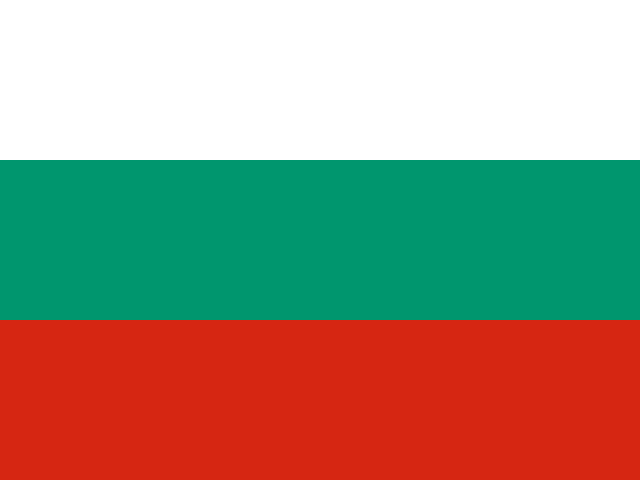
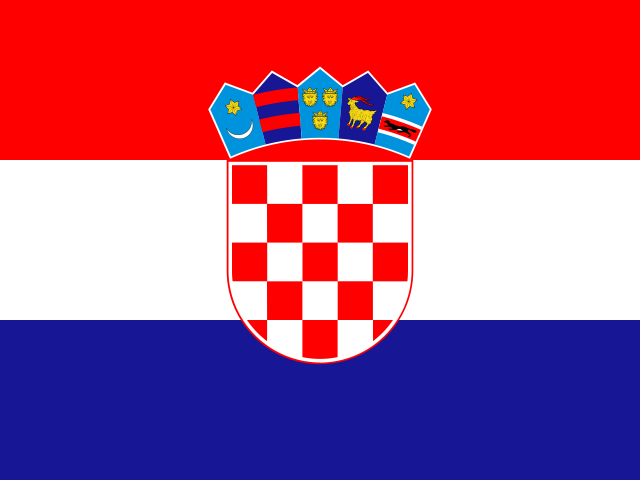
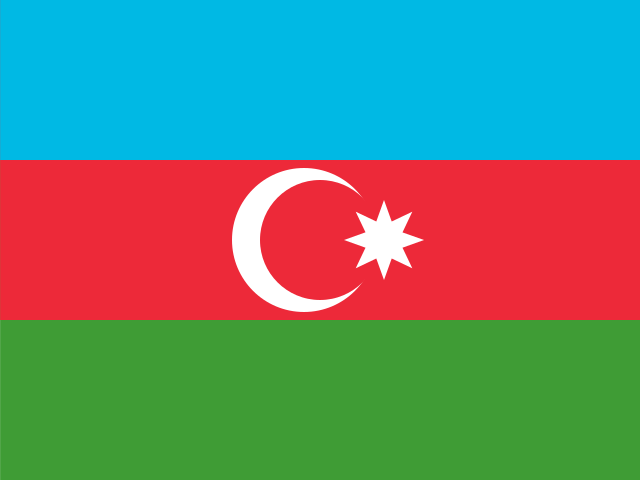
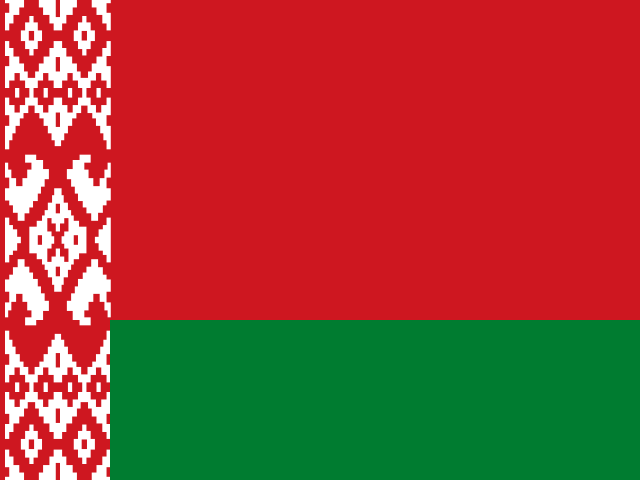
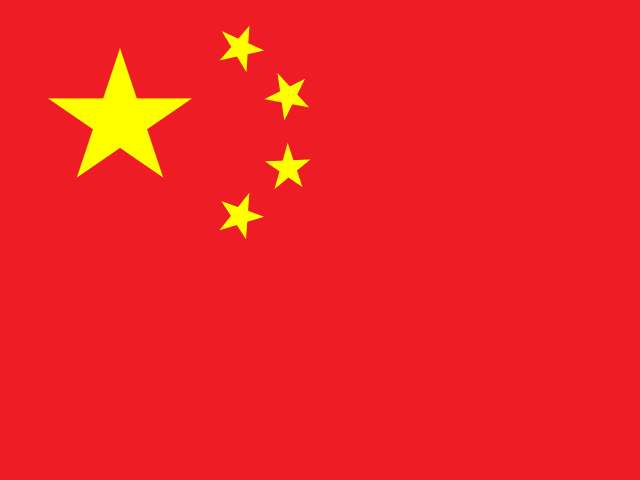
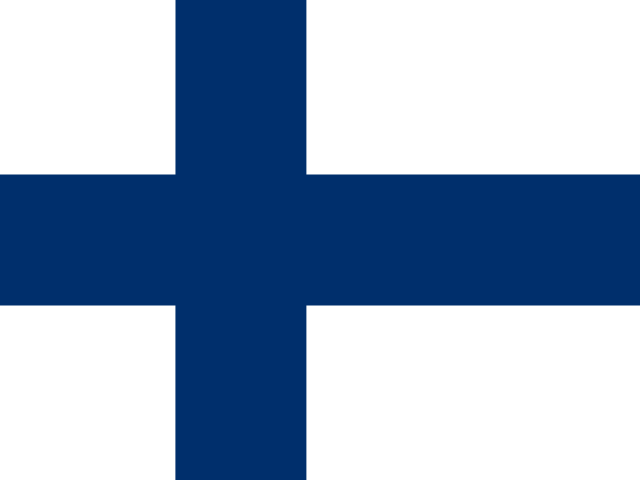
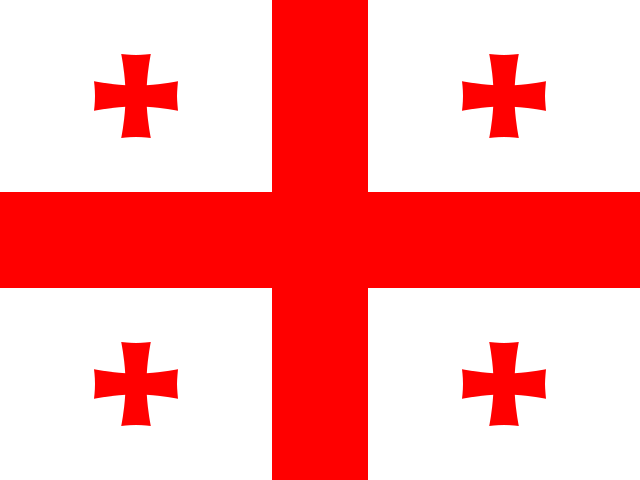
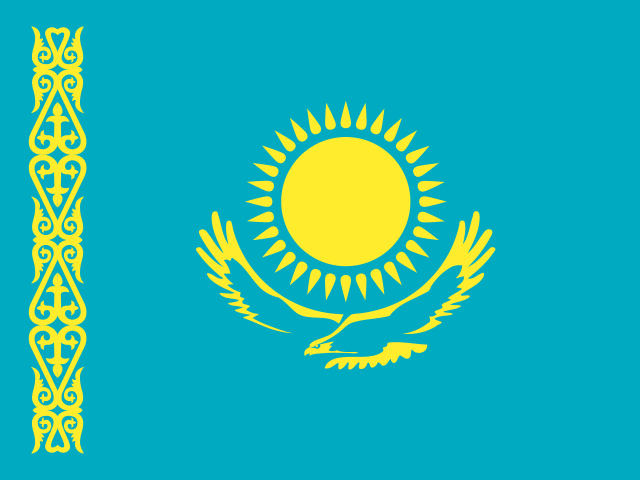
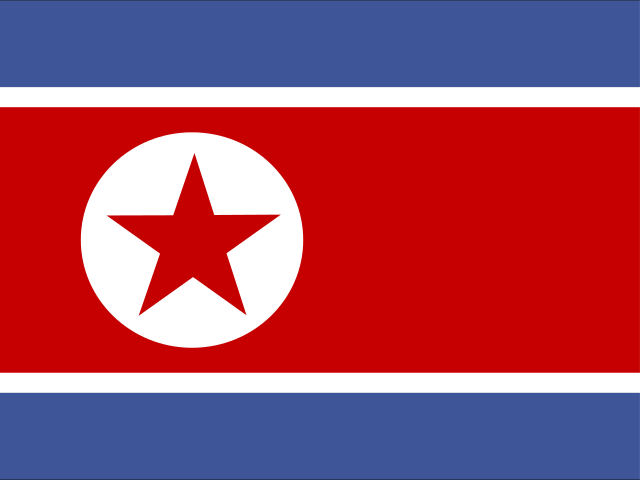
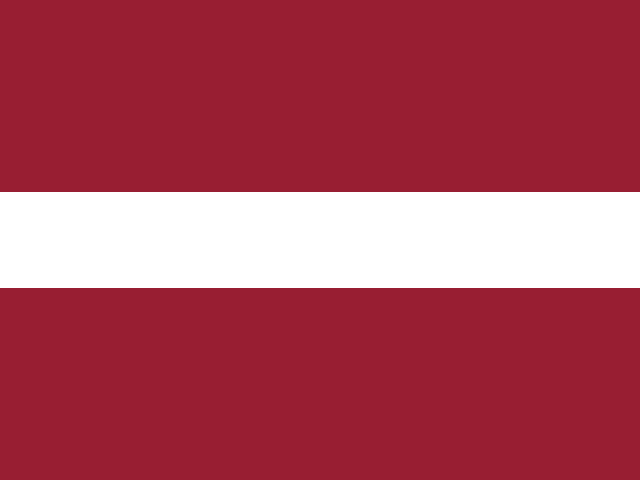
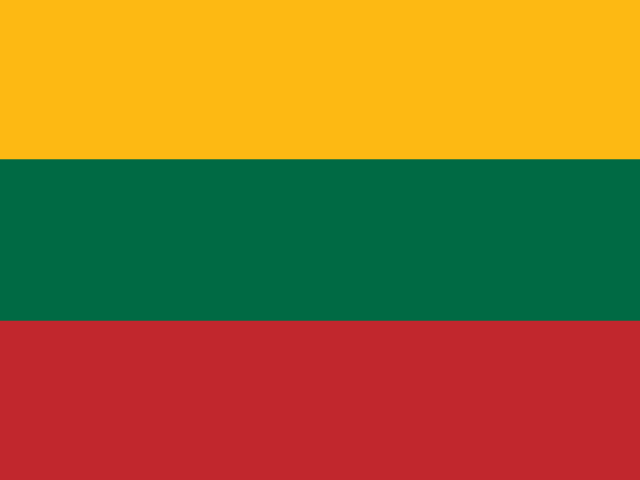
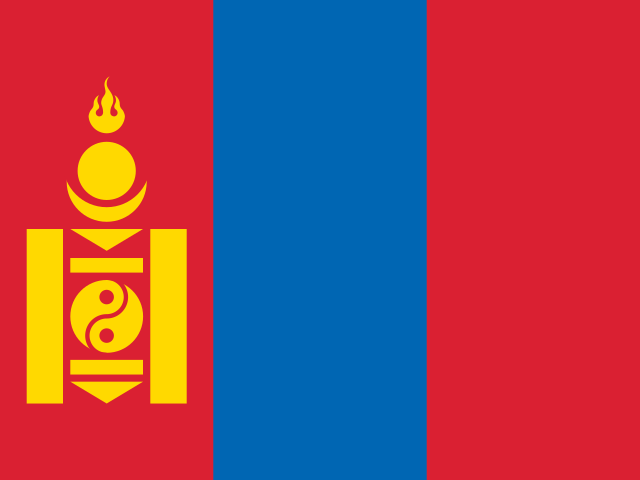
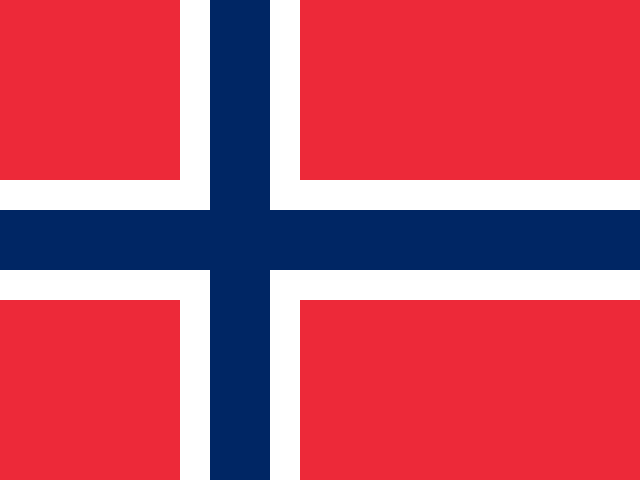
Flags of Russia's neighbours


Sources
- Wikipedia: Flag of Russia
- Flags of the World: Russia
Last reviewed 24 October 2026. Read how we research flags in our editorial policy, or report a mistake.