Flag of United Kingdom
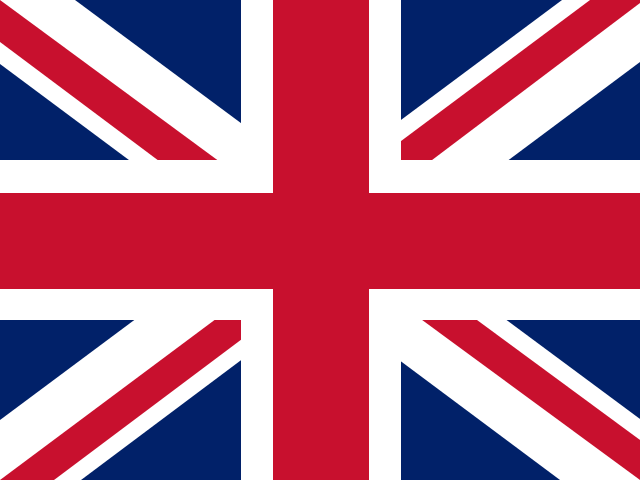
A blue field with the white diagonal cross of St Andrew and the red diagonal cross of St Patrick, under a red cross of St George edged in white. Proportions are 1:2 at sea and usually 3:5 on land.
What the flag means
The crosses stand for England (St George), Scotland (St Andrew) and Ireland (St Patrick). Wales has no emblem on the flag, because it was treated as part of the Kingdom of England when the first version was made in 1606.
History
A proclamation of James VI and I, king of Scotland and England, combined the crosses of St George and St Andrew on 12 April 1606. The Acts of Union of 1707 made it the flag of Great Britain. After the Act of Union 1800 joined Ireland to the kingdom, the College of Arms added a red saltire for Ireland, taken from the Order of St Patrick. The new flag came into use on 1 January 1801. It was not changed when the Irish Free State was set up in 1922, and no law has made it the national flag.
The flag has a right way up. Next to the flagpole, the broad white diagonal should be above the red one; flown the other way, it is upside down.
Earlier flags of United Kingdom
- 1606–1801Red cross of St George over the white saltire of St Andrew on blue
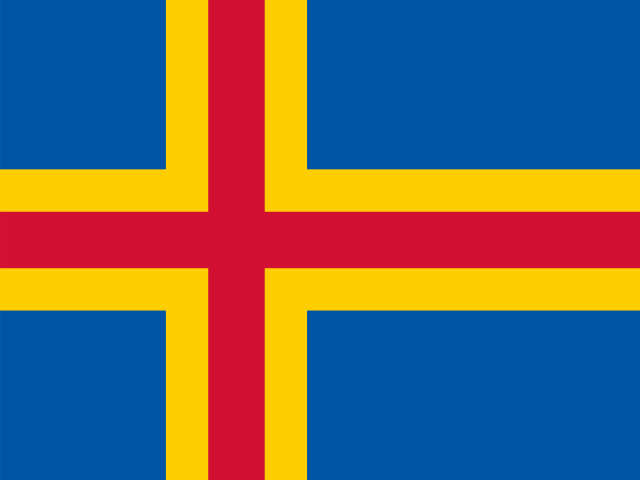
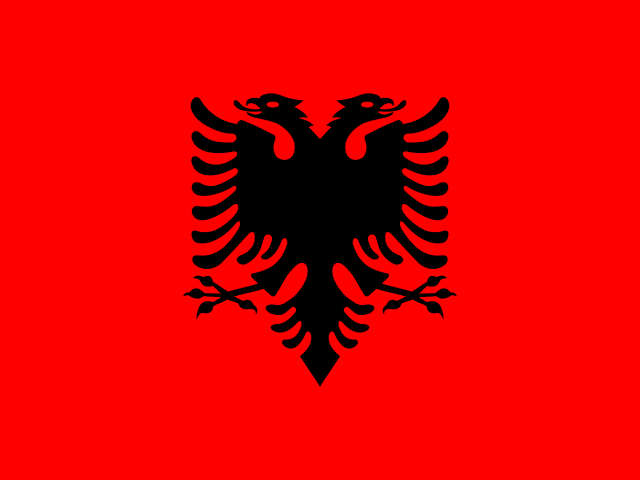
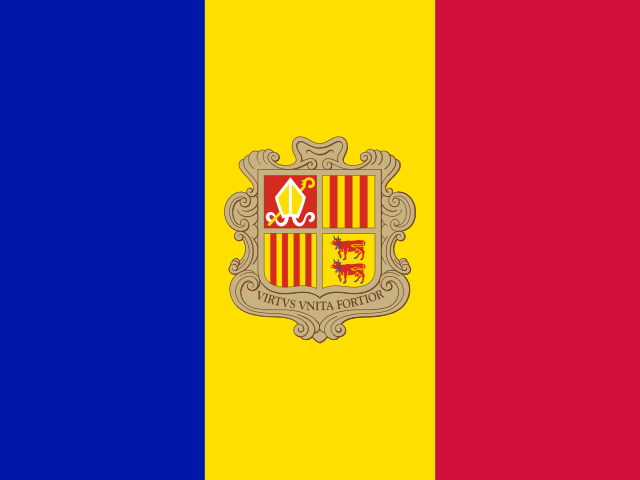
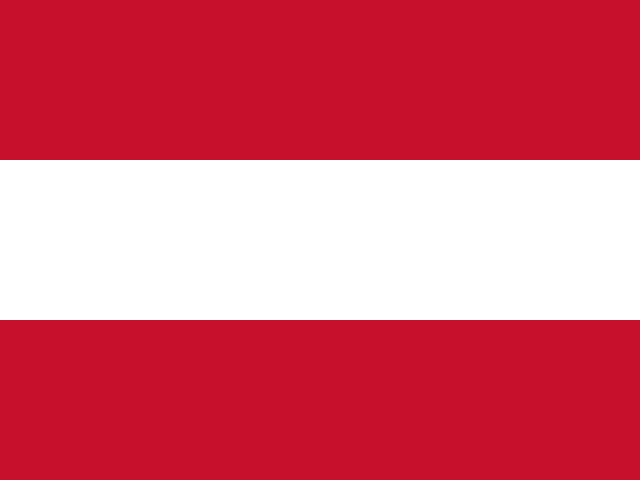
Flags of United Kingdom's neighbours
Sources
- Wikipedia: Union Jack
- The Flag Institute: History of the Union Flag
Last reviewed 24 October 2026. Read how we research flags in our editorial policy, or report a mistake.