Flag of Andorra
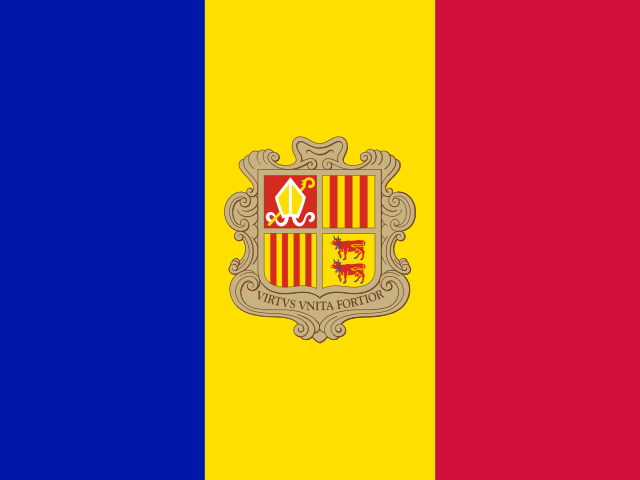
Three vertical bands of blue, yellow and red, with the yellow band slightly wider than the others. The national coat of arms sits in the centre of the yellow band.
What the flag means
The colours have no official meaning, though red and yellow also appear in the arms of Catalonia and Foix. The coat of arms joins the emblems of four houses, two for each co-prince: the gold mitre and crozier of the Bishop of Urgell, and the arms of Catalonia, Foix and Béarn. It may carry the motto 'Virtus Unita Fortior' (virtue united is stronger).
History
The tricolour dates from 1866 and the New Reform, a set of changes to Andorra's government led by Guillem d'Areny-Plandolit. Tradition credits Napoleon III of France with the design. Until 1993 the arms appeared on some versions and not others, and their form varied. A standard version with the arms on the yellow band came with the 1993 Constitution, whose Article 2 calls the flag 'the traditional' one, as Andorra prepared to join the United Nations.
It is one of two national flags that show cattle, in its coat of arms. The other is the flag of Moldova, which looks very similar.
Earlier flags of Andorra
- 1866–1939Vertical blue, yellow and red tricolour without the coat of arms
- c. 1939–1993Tricolour with the coat of arms, in several differing versions
Flags that look like this one
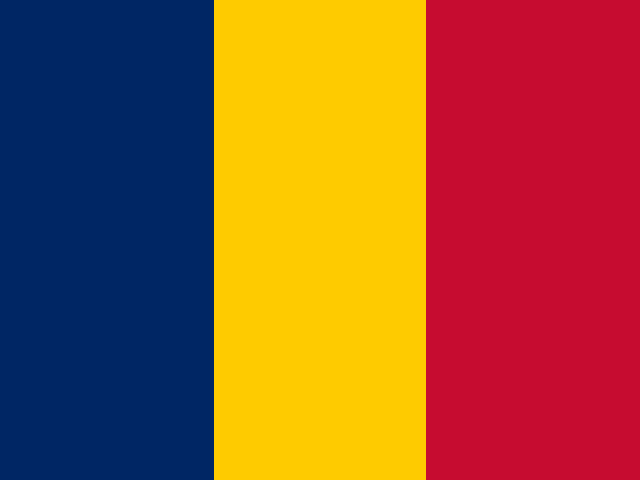
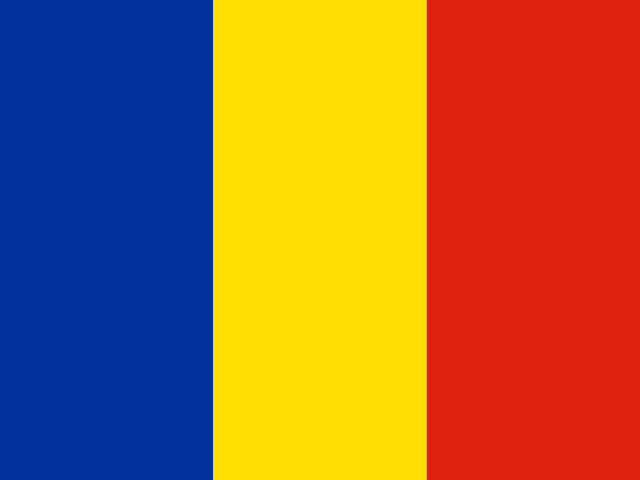
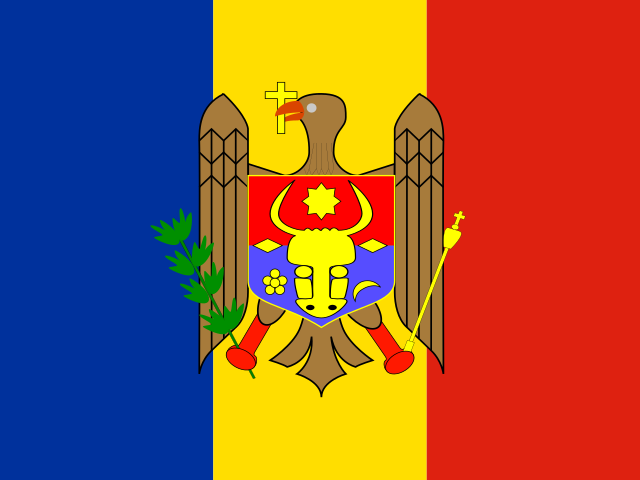
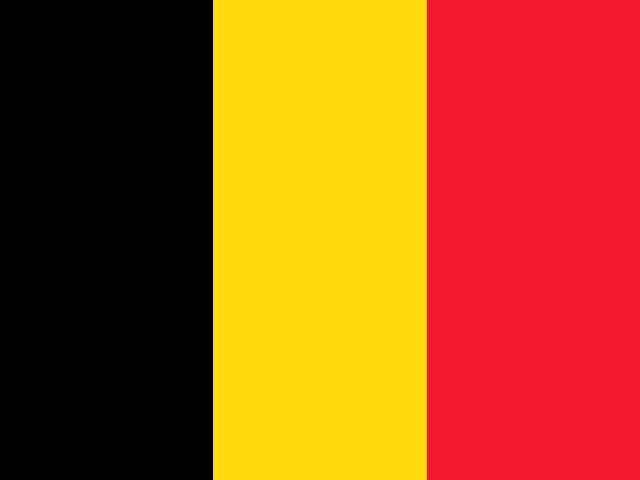
Chad and Romania are near-identical blue, yellow and red vertical tricolours; Chad's blue is a darker indigo. Andorra and Moldova use the same colours but add a coat of arms in the centre.
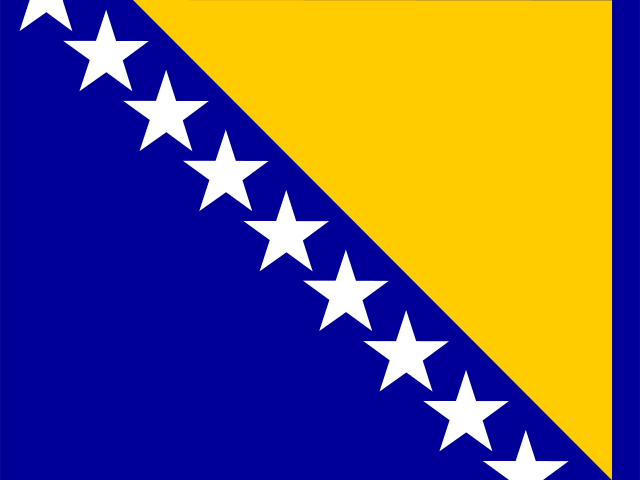
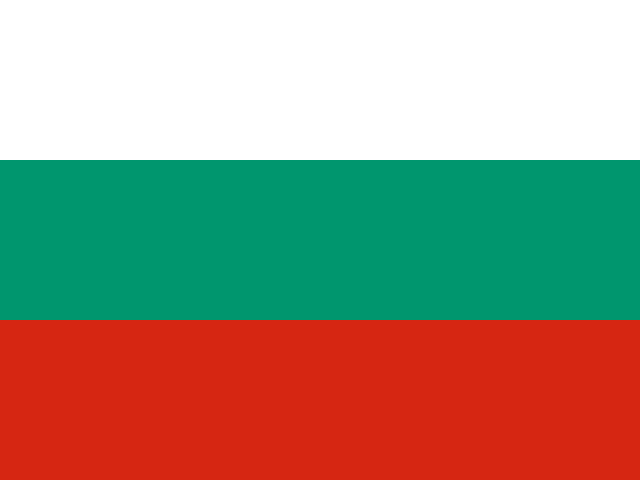
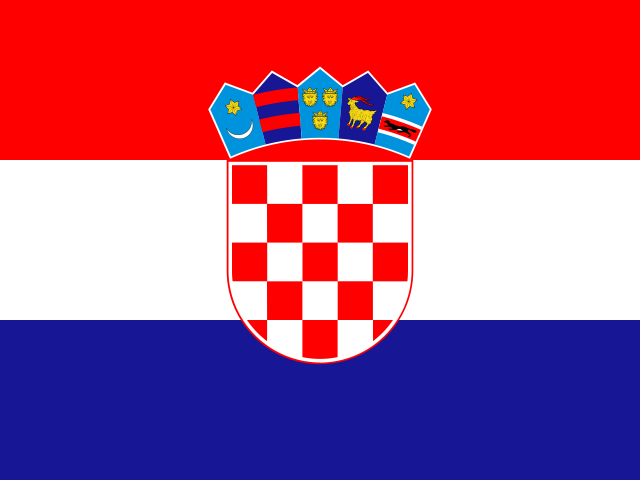
Flags of Andorra's neighbours
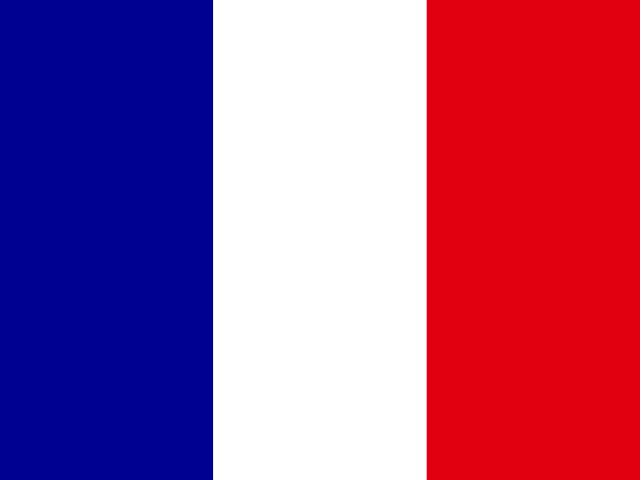
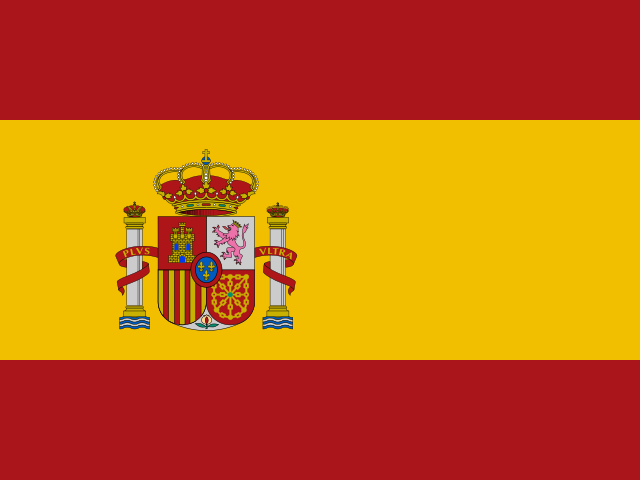
Sources
- Wikipedia: Flag of Andorra
- Govern d'Andorra: Llei sobre la utilització dels signes d'Estat
Last reviewed 24 October 2026. Read how we research flags in our editorial policy, or report a mistake.