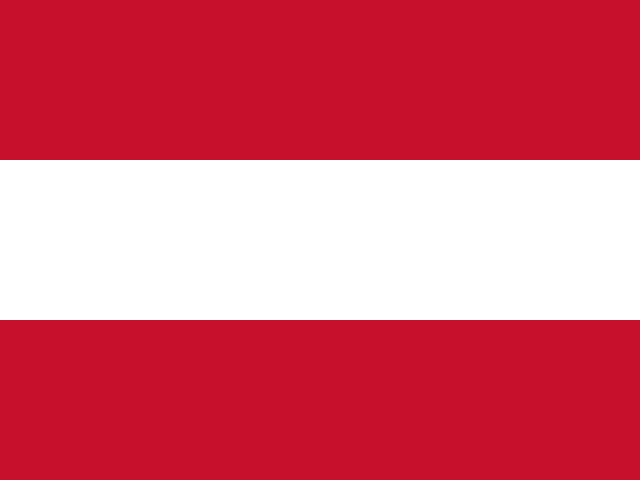
Flag of Austria
Three equal horizontal bands of red, white and red. The version used by federal authorities adds the federal coat of arms in the centre.
What the flag means
Article 8a of the Federal Constitutional Law and the 1984 Coat of Arms Act set the colours as red-white-red but give them no meaning. A legend says Duke Leopold V's white tunic was soaked in blood at the Siege of Acre, except for one band under his belt.
History
The colours come from the arms of the Babenberg dukes, a white band on red. The earliest record of the red-white-red shield is a seal of 30 November 1230 confirming the privileges of Lilienfeld Abbey. After 1278 the Habsburgs took over these arms, though their monarchy flew black and yellow. When Austria-Hungary broke up in 1918, the new state of German-Austria made red-white-red its national flag. It was formally adopted again on 1 May 1945, and the Coat of Arms Act of 28 March 1984 sets out the current rules.
Austrian law does not fix the shade of red. A Ministry of Defence regulation of 2018 uses Pantone 186 C.
Earlier flags of Austria
- c. 1804–1918Black over yellow bicolour of the Habsburg monarchy and the Austrian Empire
Flags that look like this one
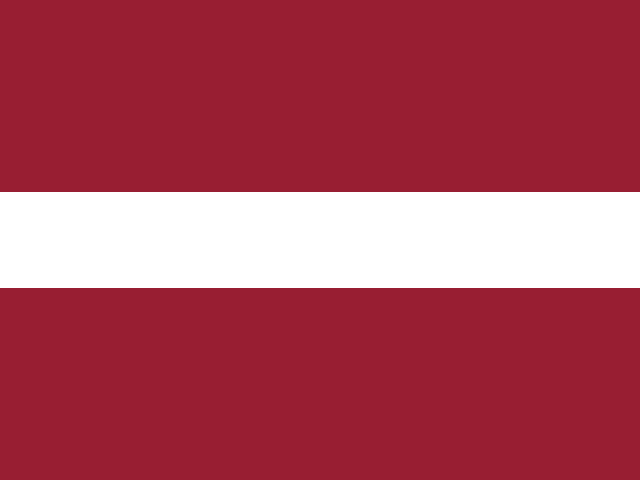

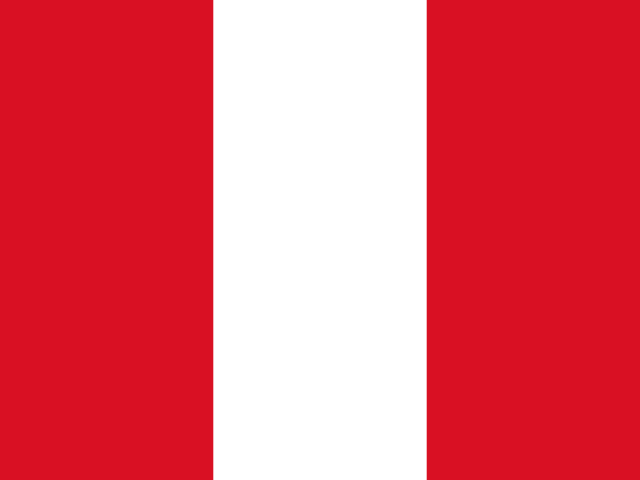
Austria has three equal red, white, red stripes. Latvia's red is a darker carmine and its white stripe is narrower. Lebanon has a green cedar tree. Peru's stripes are vertical.
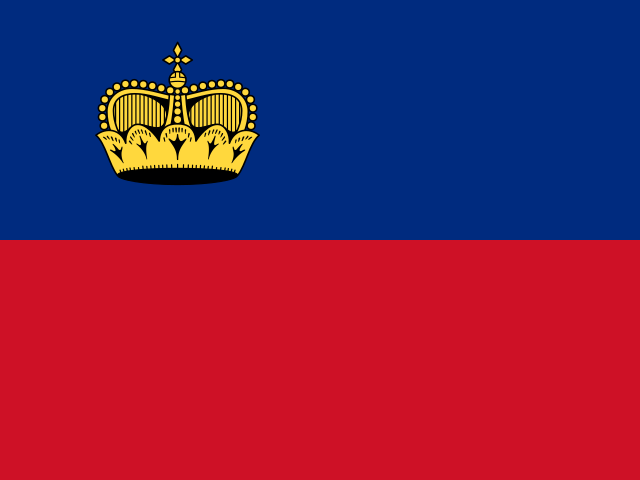
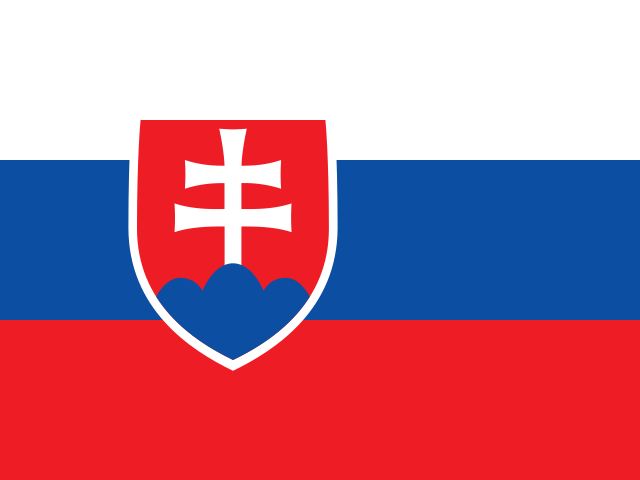
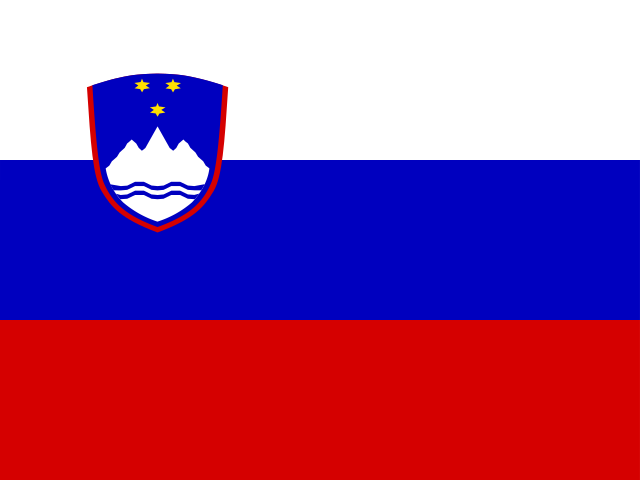
Flags of Austria's neighbours
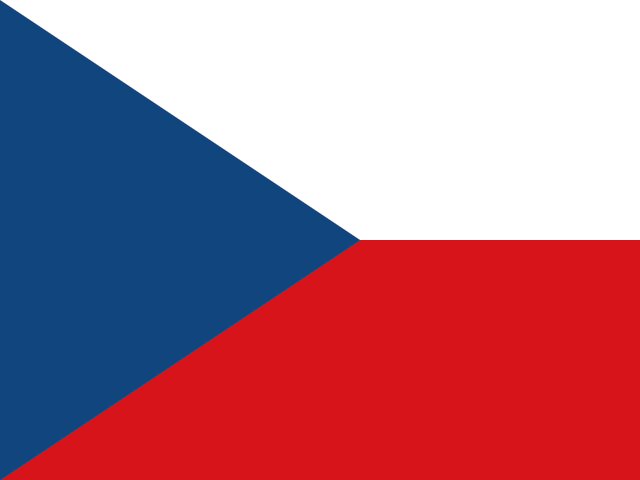
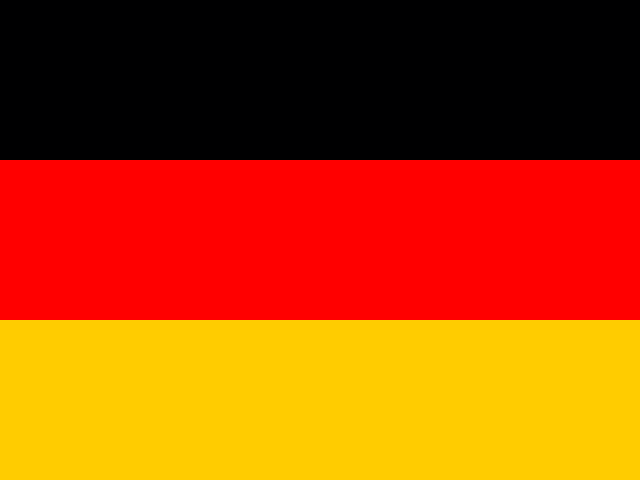

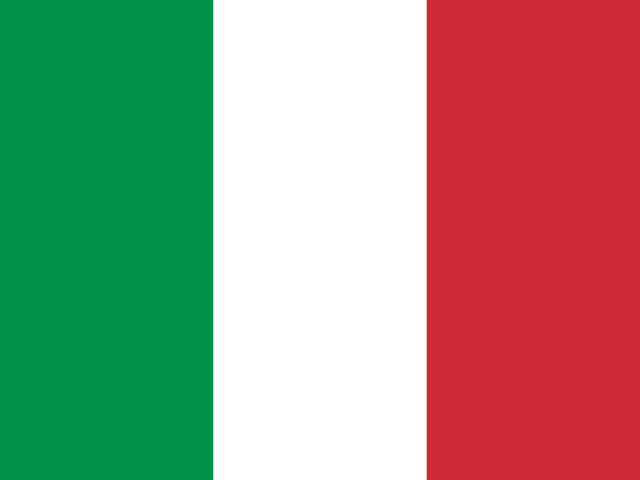

Sources
- Wikipedia: Flag of Austria
- Rechtsinformationssystem des Bundes (RIS): Bundes-Verfassungsgesetz, Art. 8a
- Rechtsinformationssystem des Bundes (RIS): Wappengesetz
Last reviewed 24 October 2026. Read how we research flags in our editorial policy, or report a mistake.