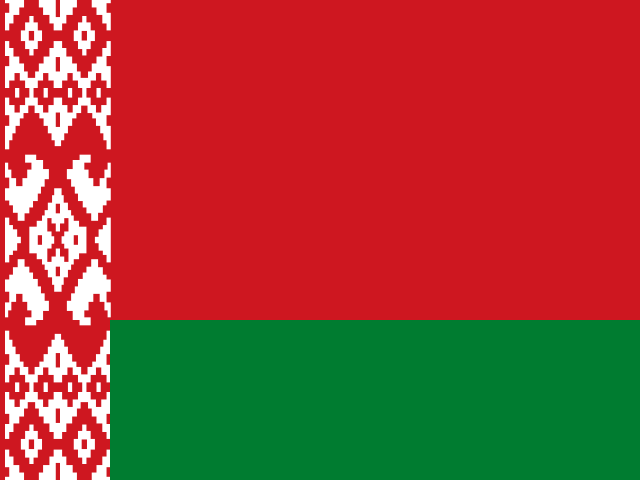
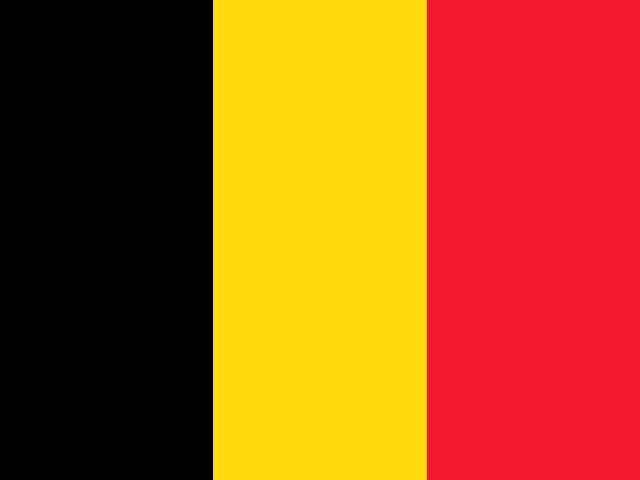
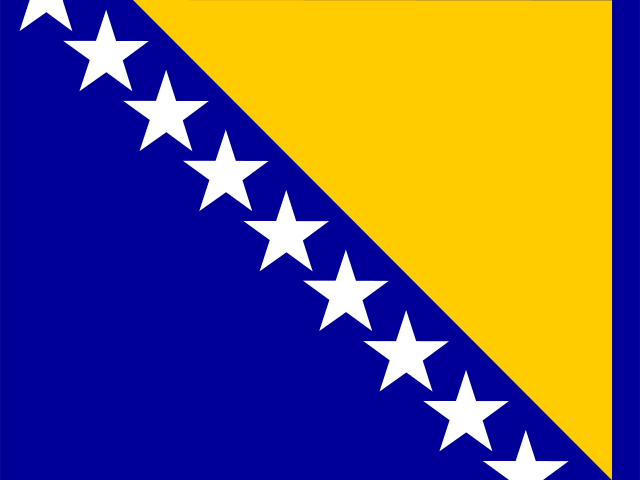
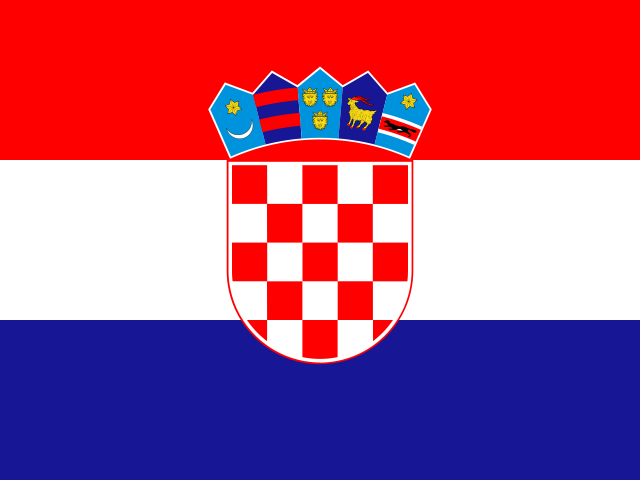
Flag of Bulgaria
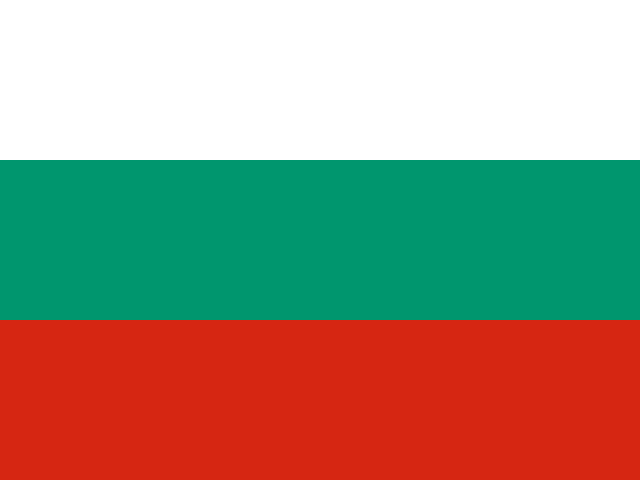
Three equal horizontal bands of white, green and red. When the flag hangs vertically, white is on the left as seen from the front.
What the flag means
The office of the President describes the flag as a symbol of the independence and sovereignty of the Bulgarian state. It does not assign meanings to the individual colours.
History
The white, green and red tricolour appeared after the Russo-Turkish War of 1877–1878, when Bulgaria gained de facto independence. In 1879 the Tarnovo Constitution described it as three horizontal bands. Under the communist constitution of 1947 the colours stayed and the state emblem was added to the white band; in 1971 the emblem's ribbon gained the date 681, the founding year of the First Bulgarian Empire. The emblem was removed on 27 November 1990. Article 166 of the 1991 Constitution and a law of 24 April 1998 now define the flag.
The 1998 law sets the green and red by Pantone textile numbers and requires the white to have a whiteness above 80 per cent.
Earlier flags of Bulgaria
- 1948–1967Tricolour with the People's Republic emblem on the white band
- 1971–1990Tricolour with the state emblem, its ribbon dated 681 and 1944
Flags that look like this one
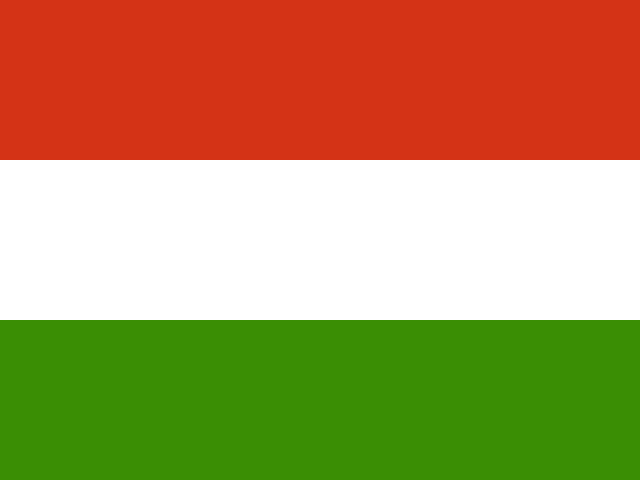
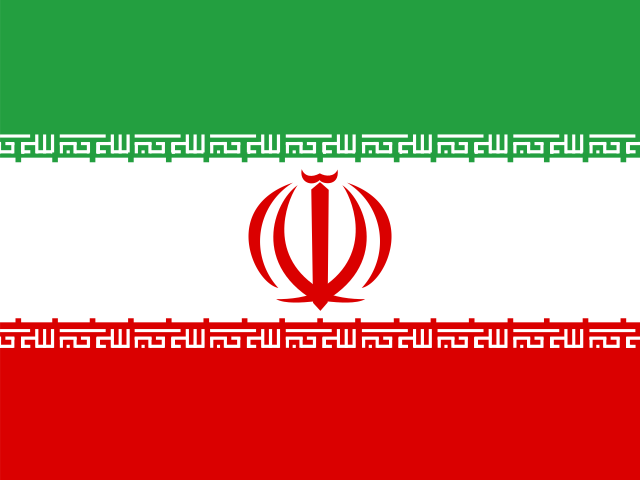
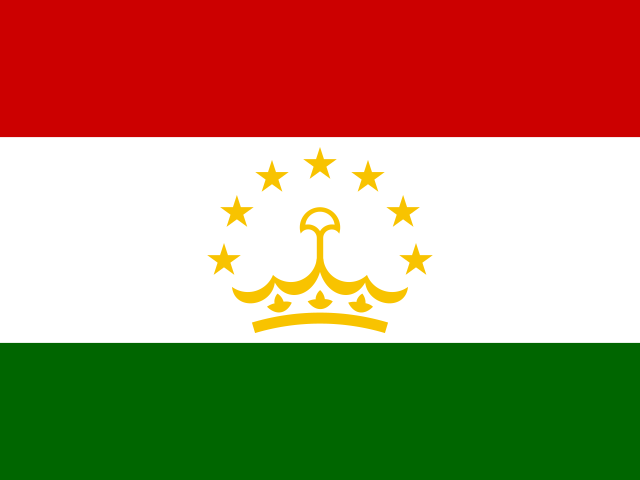
Hungary is red, white, green from the top. Bulgaria is white, green, red. Iran is green, white, red with a red emblem. Tajikistan is red, white, green with a gold crown and stars.
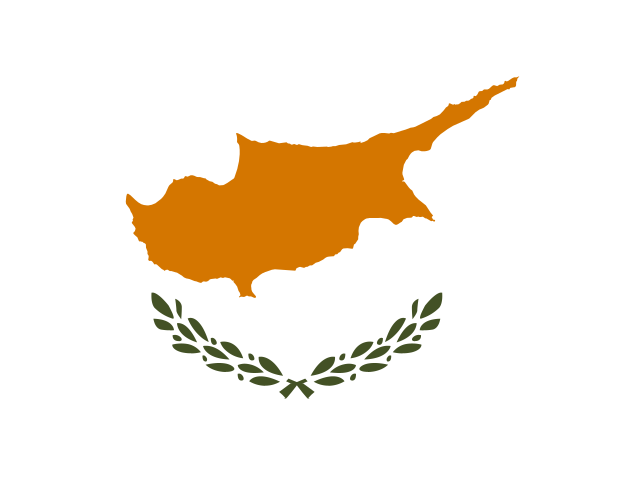
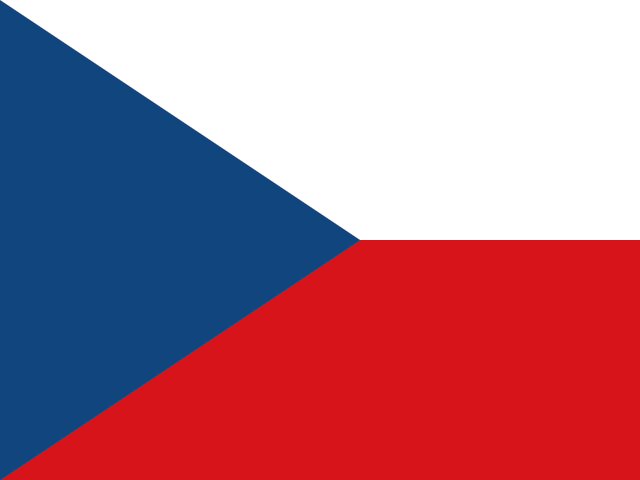
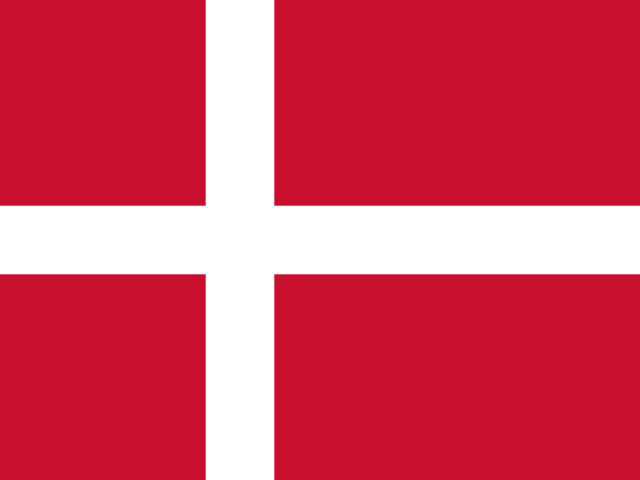
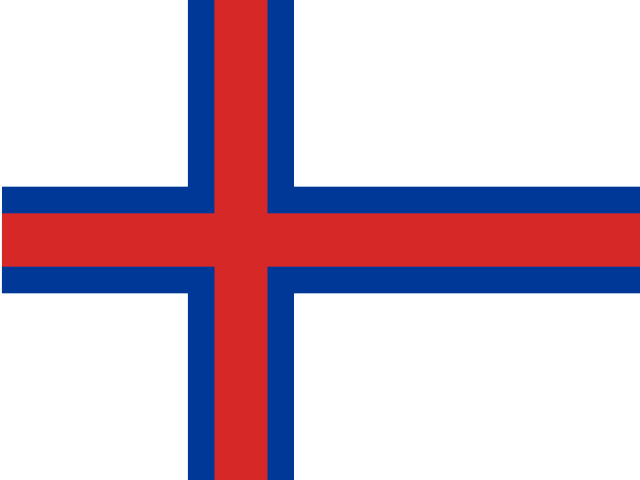
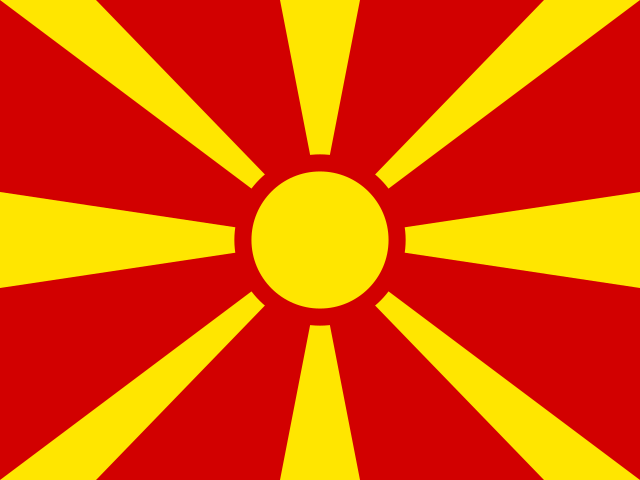
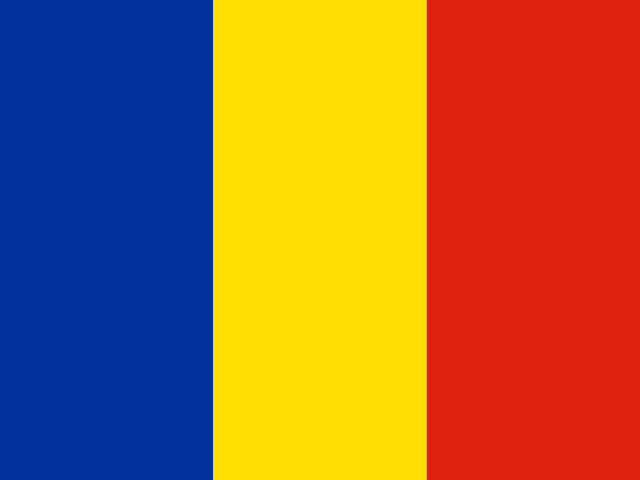
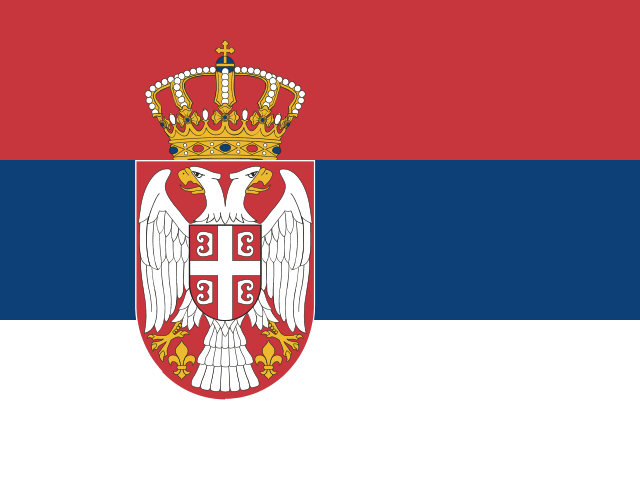
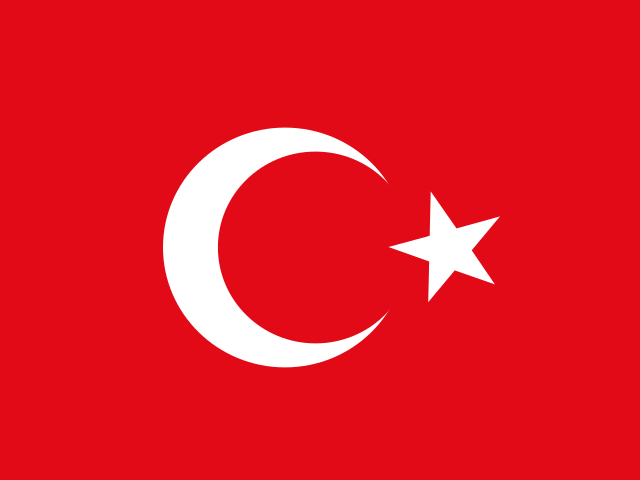
Flags of Bulgaria's neighbours
Sources
- Wikipedia: Flag of Bulgaria
- President of the Republic of Bulgaria: National Symbols
Last reviewed 24 October 2026. Read how we research flags in our editorial policy, or report a mistake.