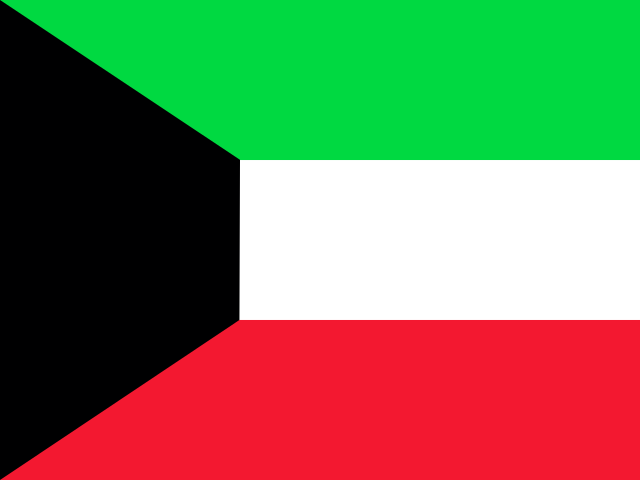
Flag of Kuwait
Three equal horizontal bands of green, white and red, with a black trapezium on the hoist side.
What the flag means
Kuwait uses the Pan-Arab colours. The Kuwaiti embassy in Japan says they come from a poem by Safi al-Din al-Hilli. In the official explanation, white stands for deeds, black for battlefields, green for meadows and red for blood.
History
Kuwait flew the red Ottoman flag until 1914, even after it came under British protection in 1899. Friendly-fire incidents during the First World War, caused by Kuwait and the Ottomans using the same flag, led to a red flag with 'Kuwait' written in Arabic. Sheikh Ahmad Al-Jaber Al-Sabah added the Shahada in 1921 and a falcon's claw in 1940. Law No. 26 of 1961, issued on 7 September 1961, introduced the current design, and it was first officially raised on 24 November 1961.
In 2005 a kite in the design of the flag, made by Peter Lynn in New Zealand, became the world's largest kite at 1,019 square metres.
Earlier flags of Kuwait
- 1871–1914Ottoman flag: red with a white crescent and star
- 1914–1921Red with 'Kuwait' in white Arabic script
- 1921–1940Red with 'Kuwait' and the Shahada
- 1940–1961Red with 'Kuwait', the Shahada and a stylised falcon's claw
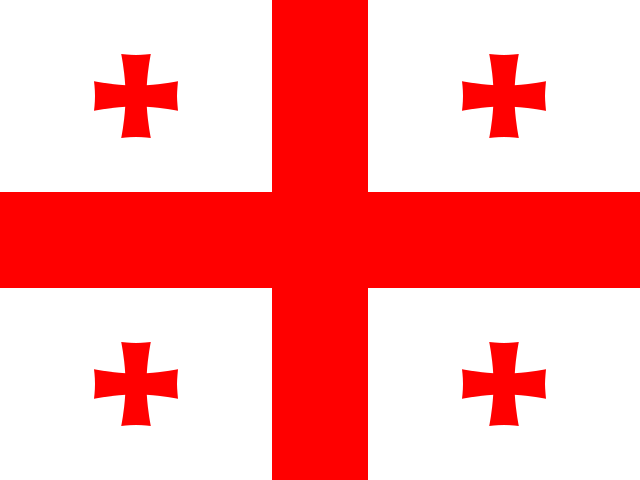
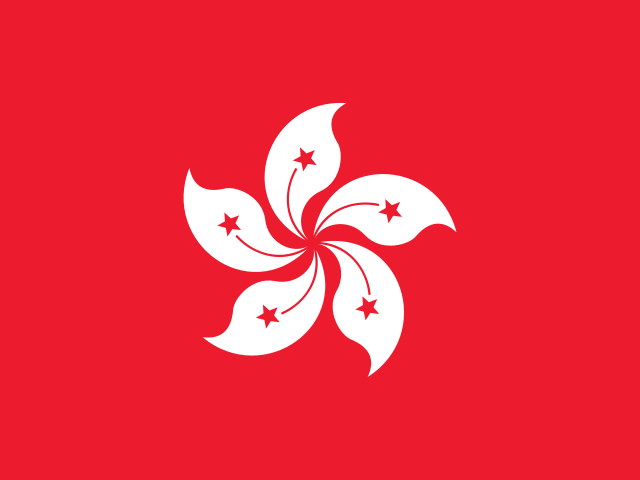
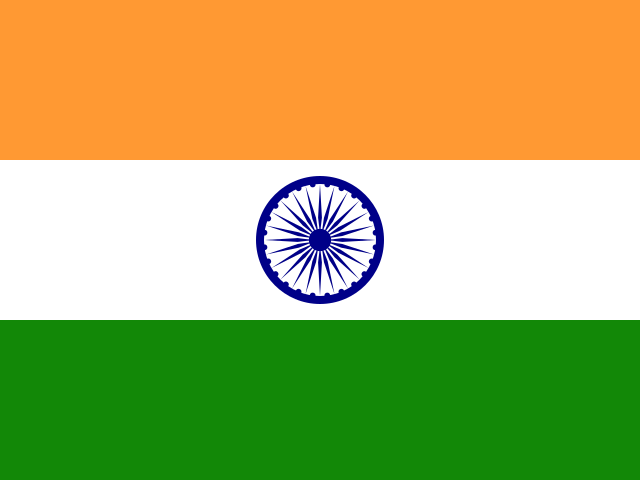
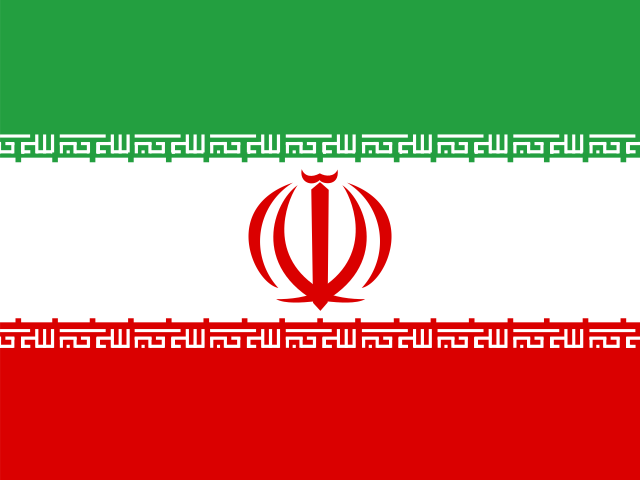
Flags that look like this one
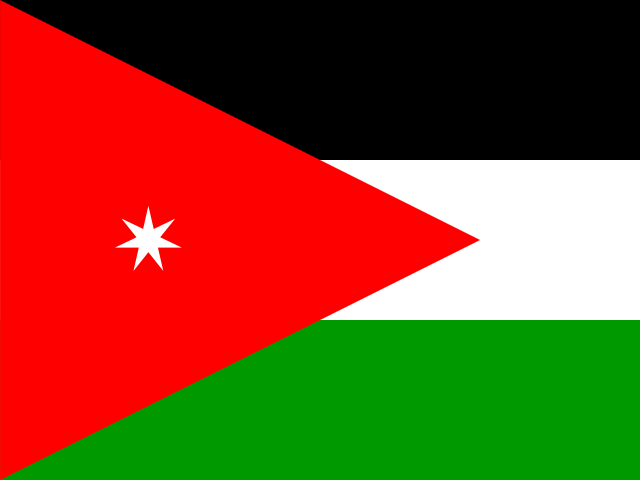
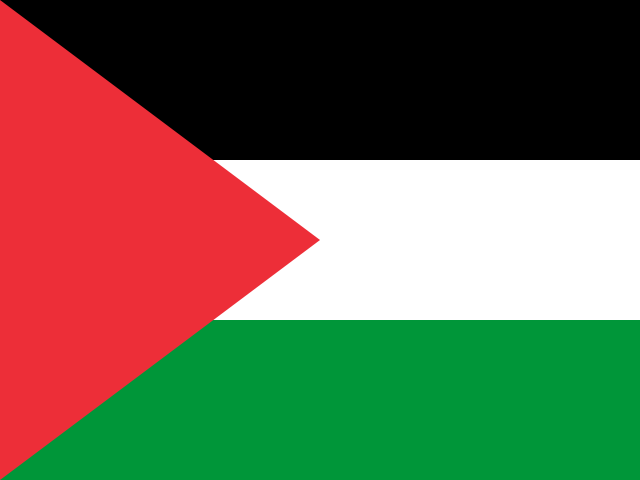
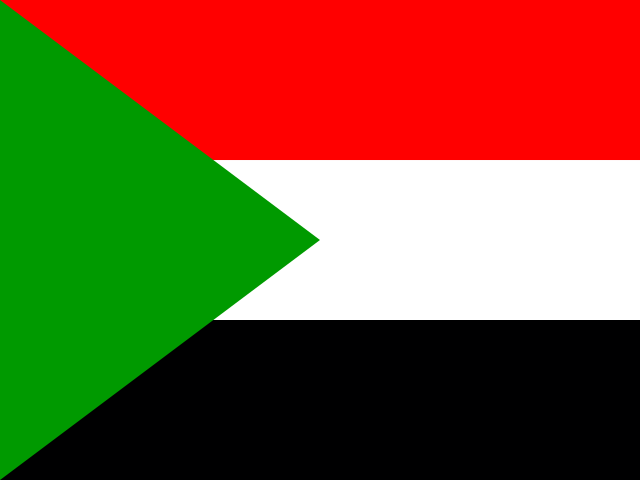
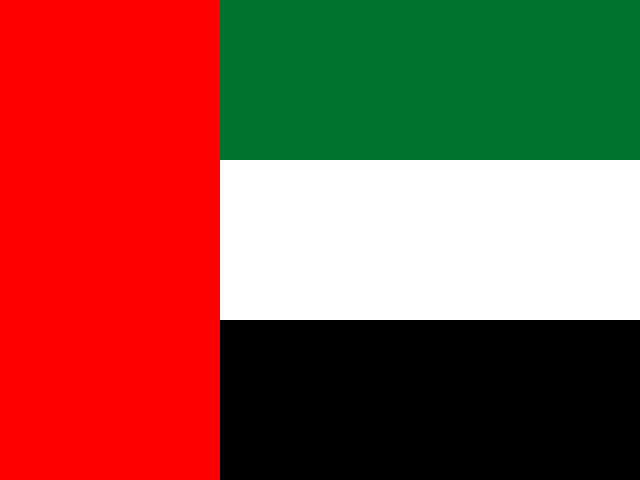
Jordan and Palestine share black, white and green stripes with a red triangle; Jordan adds a small white star. Sudan puts red on top and a green triangle. Kuwait uses a black trapezoid, and the UAE a vertical red band.
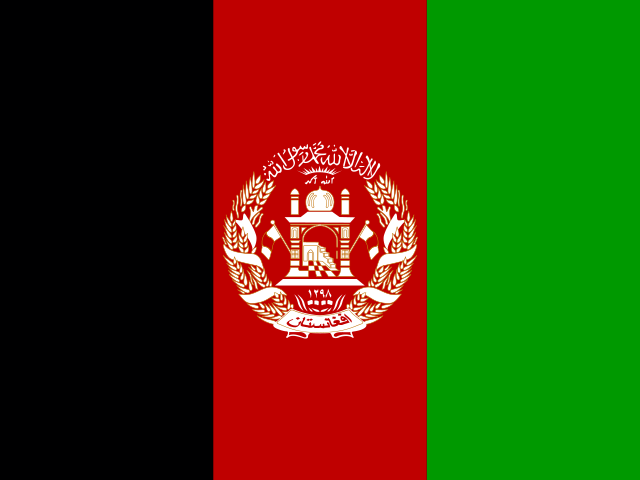
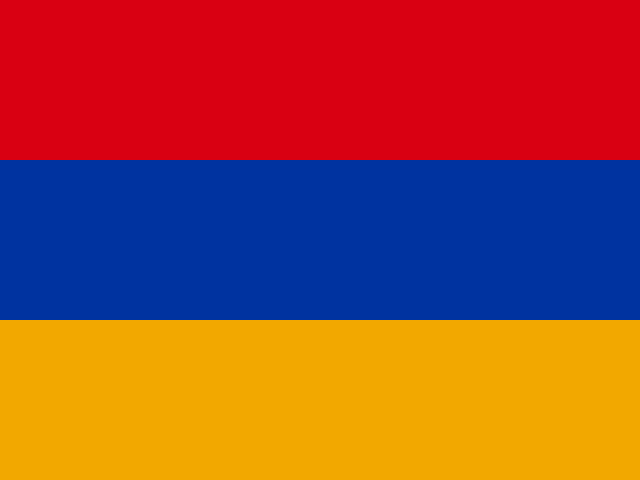
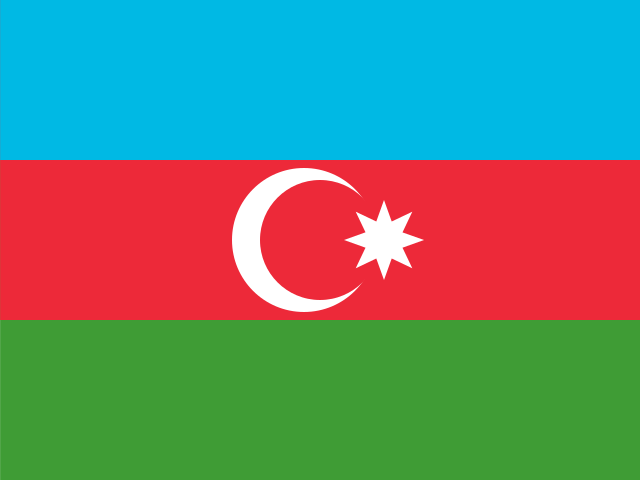
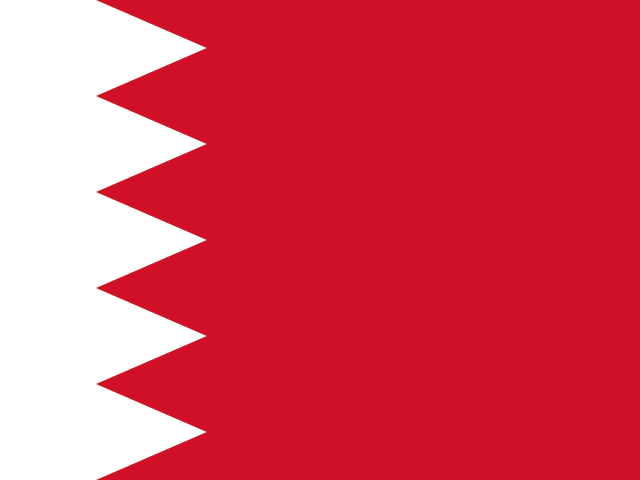
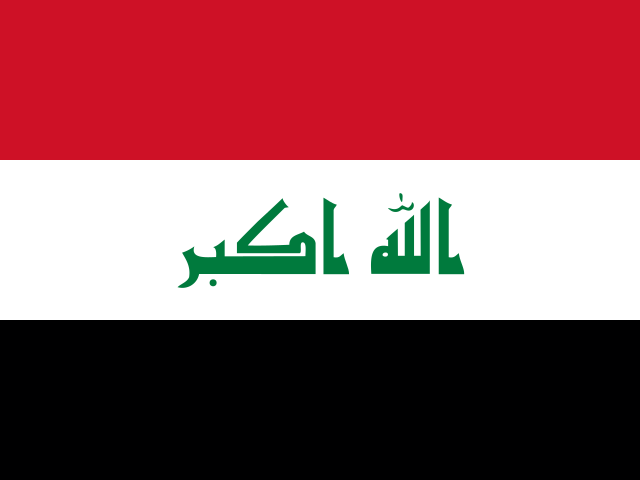
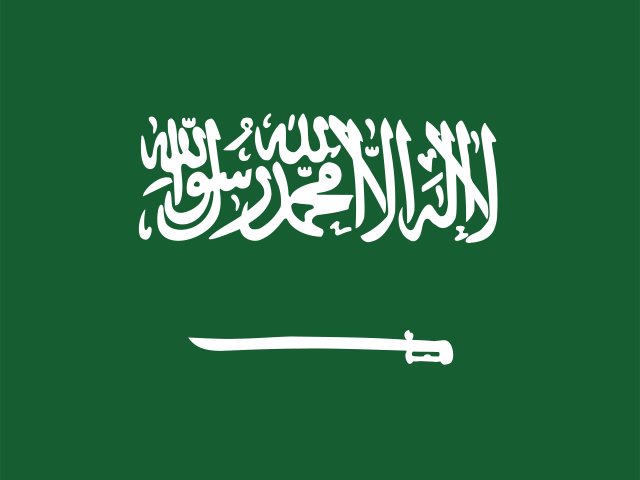
Flags of Kuwait's neighbours
Sources
- Wikipedia: Flag of Kuwait
- Flags of the World: Kuwait
Last reviewed 24 October 2026. Read how we research flags in our editorial policy, or report a mistake.