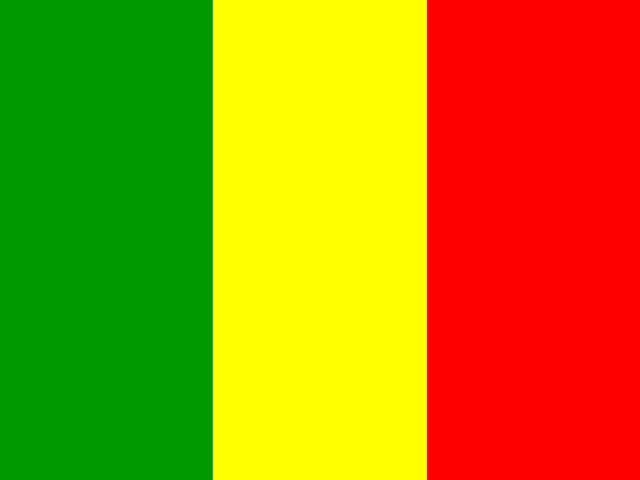
Flag of Mali
Three equal vertical bands of green, gold and red, with green at the hoist.
What the flag means
The Presidency of Mali gives these meanings. Green is for hope and the fields and pastures of a farming and herding economy. Gold is for mineral wealth and recalls Kankou Moussa's (Mansa Musa's) pilgrimage to Mecca. Red recalls the blood shed against colonial rule.
History
Mali first used these colours in the flag of the Mali Federation, formed with Senegal on 4 April 1959, which had a black kanaga, a stylised human figure, on the gold band. Senegal left in August 1960, and Mali kept the kanaga flag for a few more months. The figure was then dropped after objections from Muslims to the image of a human. The National Assembly passed Law No. 61-26 on 20 January 1961, and the plain tricolour took over on 1 March 1961.
Guinea's flag is a mirror image of Mali's, with red at the hoist and green in the fly.
Earlier flags of Mali
- 1958–1959French tricolour with a black kanaga figure, used by French Sudan
- 1959–1961Green, gold and red tricolour with a black kanaga on the gold band
Flags that look like this one
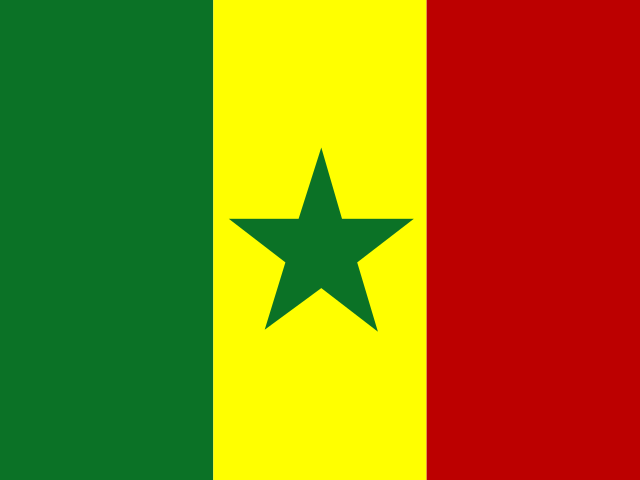
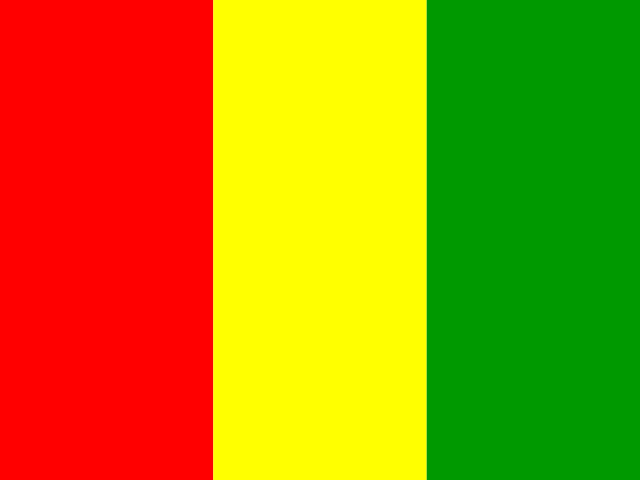
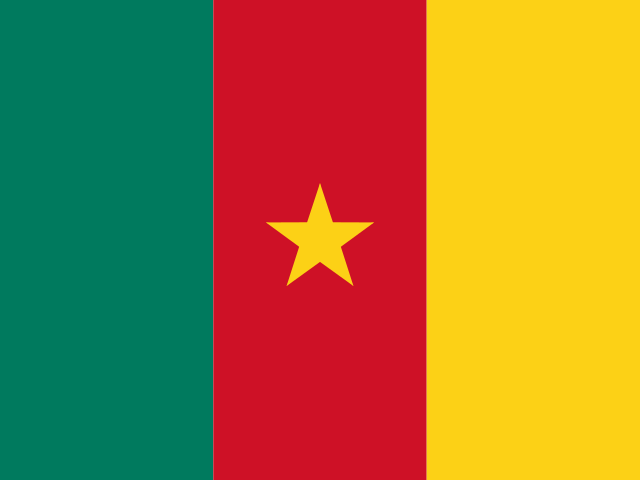
Mali is a plain green, yellow, red vertical tricolour. Senegal adds a green star in the middle. Guinea reverses the order to red, yellow, green. Cameroon is green, red, yellow with a yellow star in the centre.
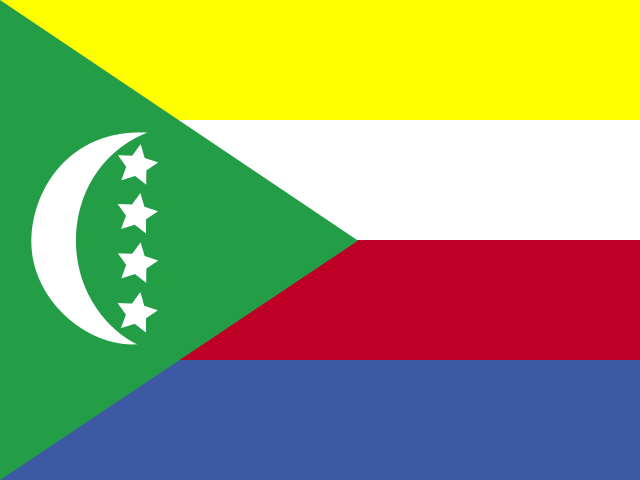
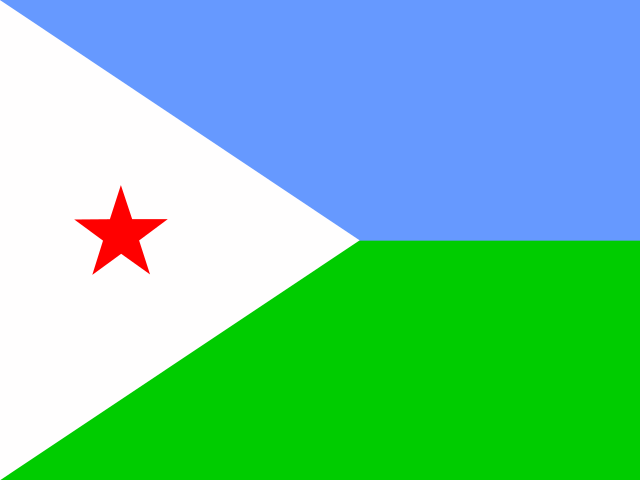
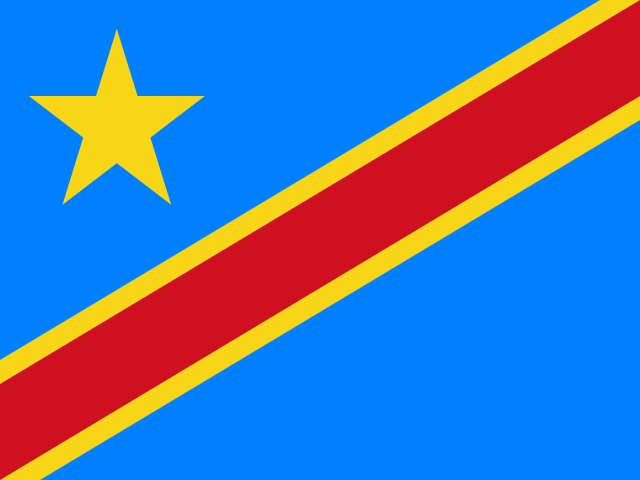
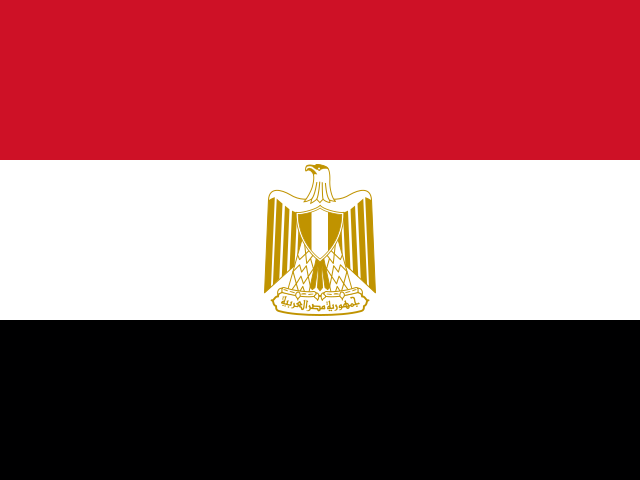
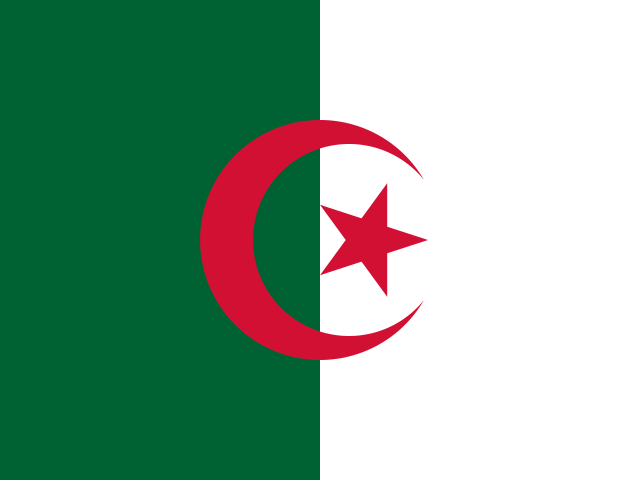
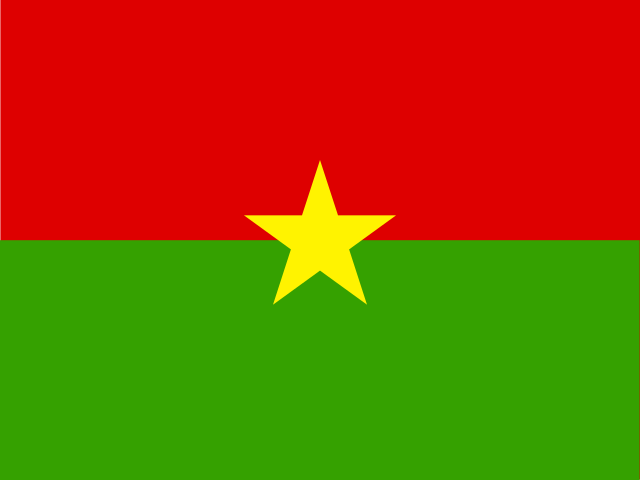
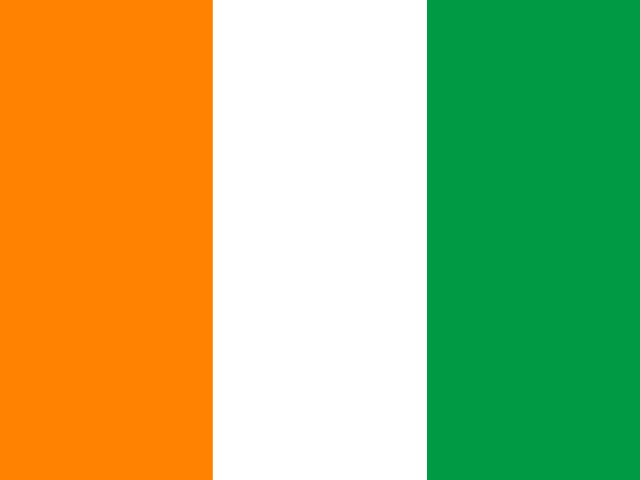
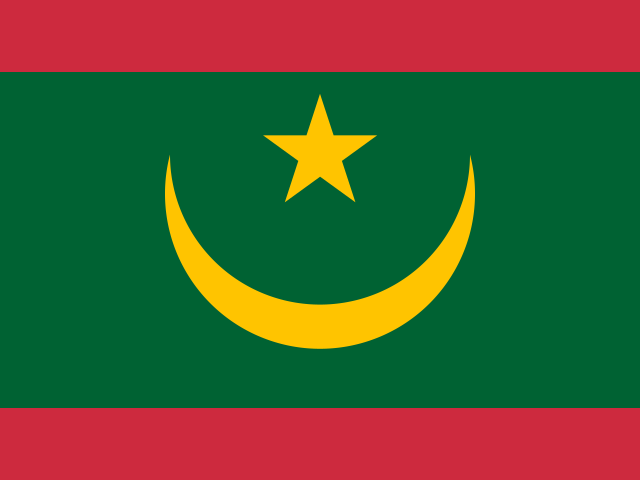
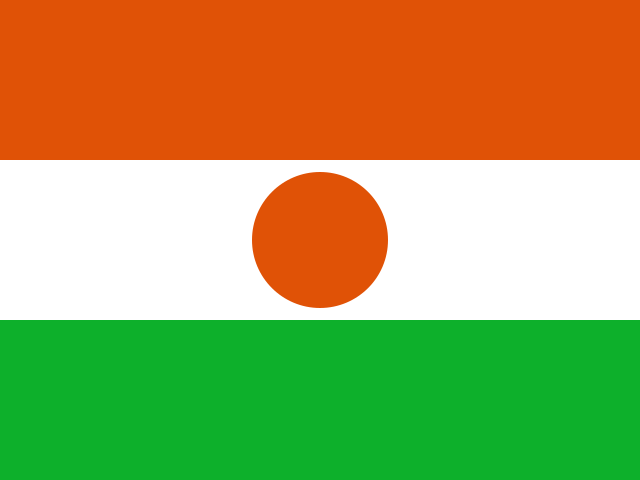
Flags of Mali's neighbours
Sources
- Wikipedia: Flag of Mali
- Flags of the World: Mali
Last reviewed 24 October 2026. Read how we research flags in our editorial policy, or report a mistake.