Flag of Portugal
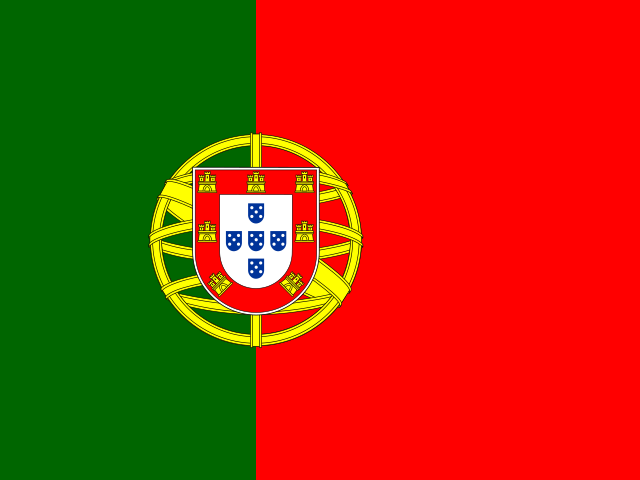
Divided vertically, dark green at the hoist (two-fifths) and red at the fly (three-fifths). On the dividing line is a yellow armillary sphere carrying the Portuguese shield.
What the flag means
The 1910 commission described red as a combative colour linked to blood and victory. Green was harder to justify and was tied to the republicans' failed revolt of 31 January 1891 in Porto. The armillary sphere recalls Portugal's history at sea. The shield has five blue escutcheons inside a red border with seven yellow castles.
History
The revolution of 5 October 1910 ended the monarchy. A commission whose members included the painter Columbano Bordalo Pinheiro, the journalist João Chagas and the writer Abel Botelho chose the red and green of the Republican Party. The flag was first hoisted in Lisbon on 1 December 1910. The Constituent Assembly approved it in June 1911, and its regulations were published on 30 June 1911.
Green was not a traditional Portuguese colour. It did make the republican flag easy to tell apart from the royal standard, which had a solid red field.
Earlier flags of Portugal
- 1830–1910Blue and white with the royal coat of arms
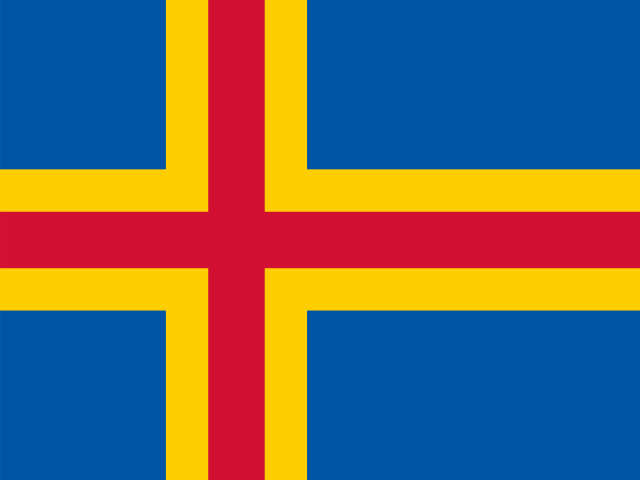
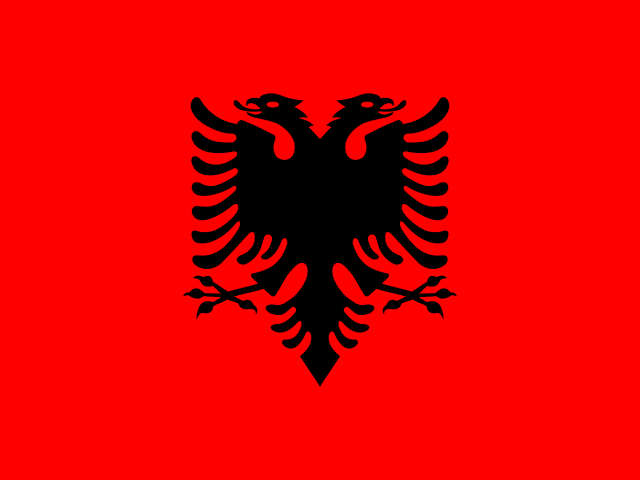
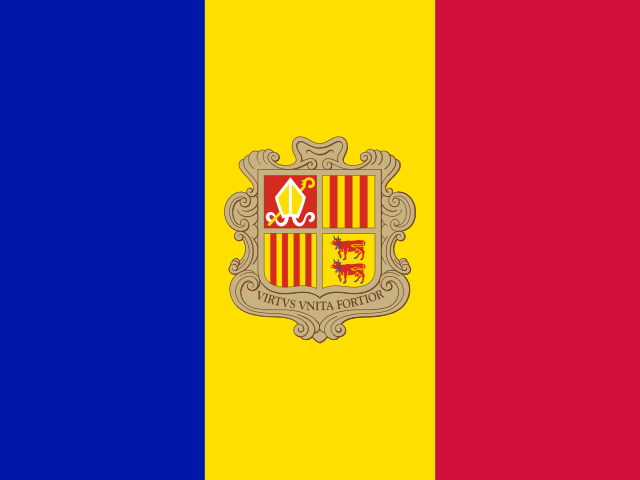
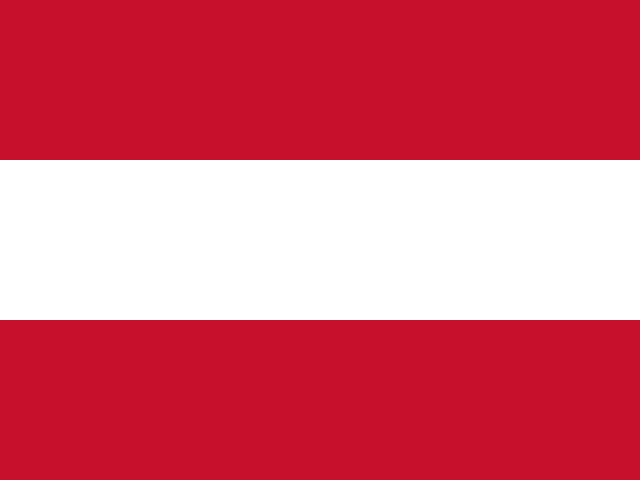
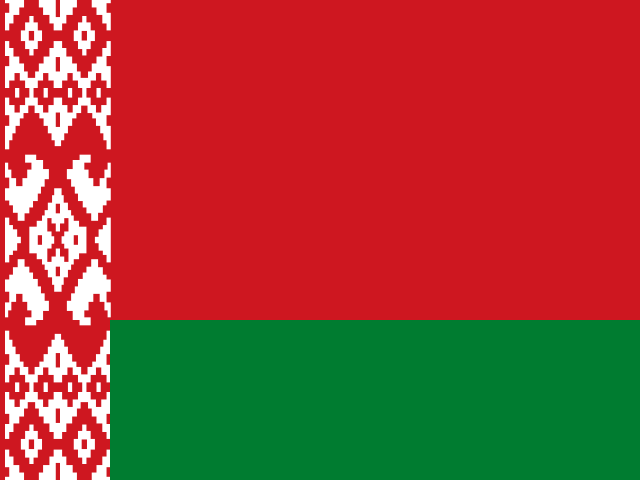
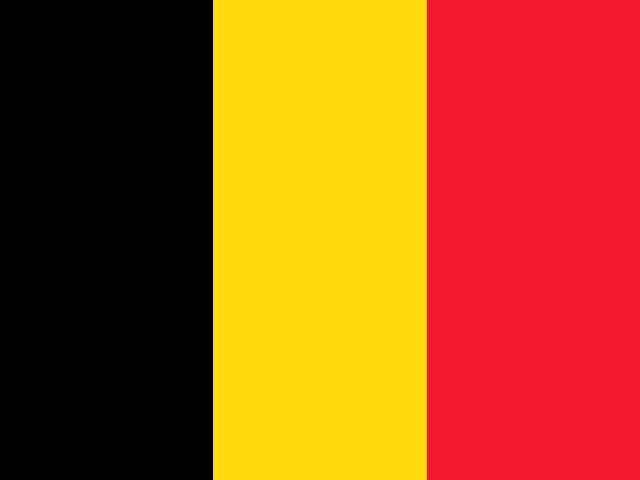
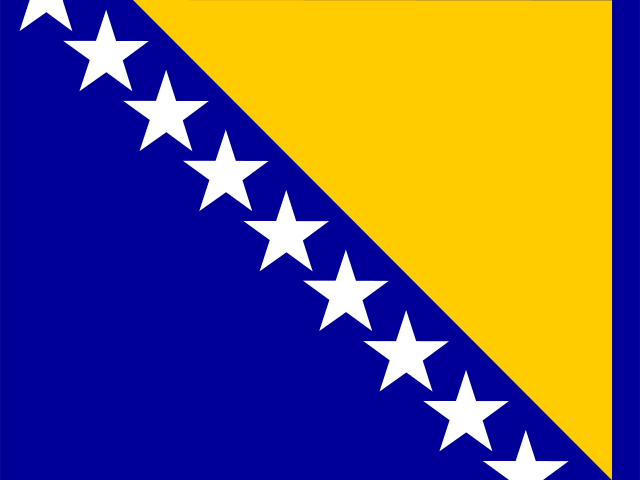
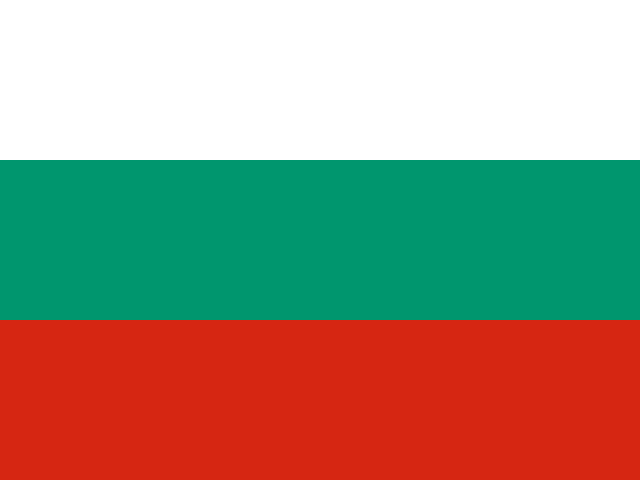
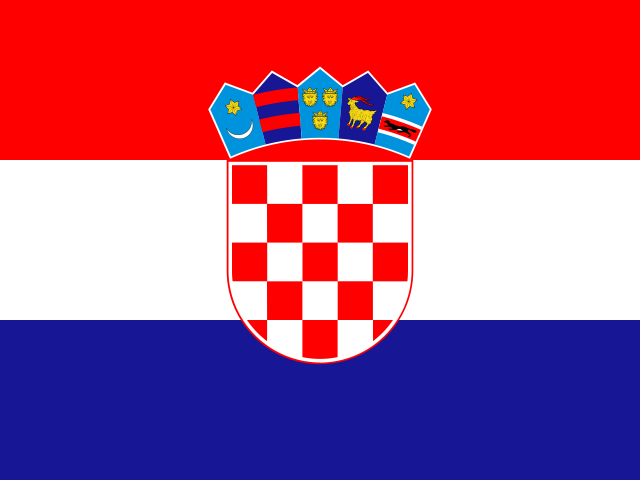
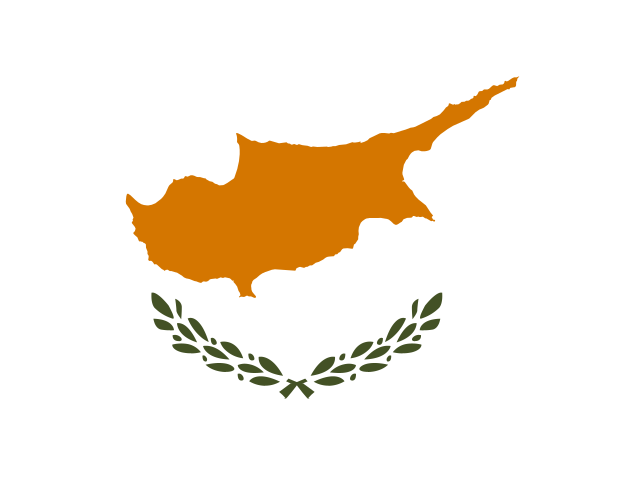
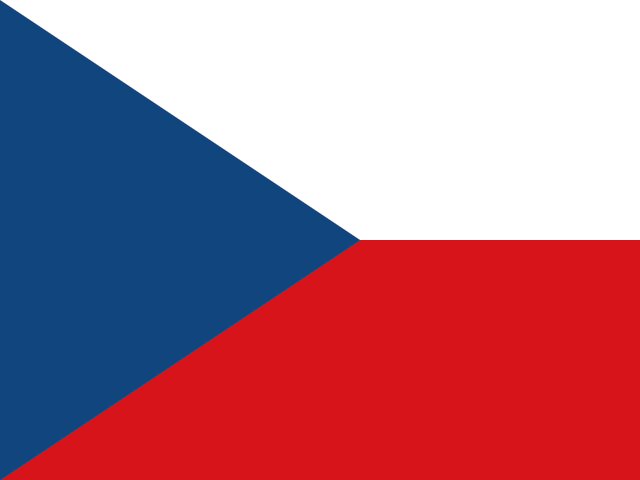
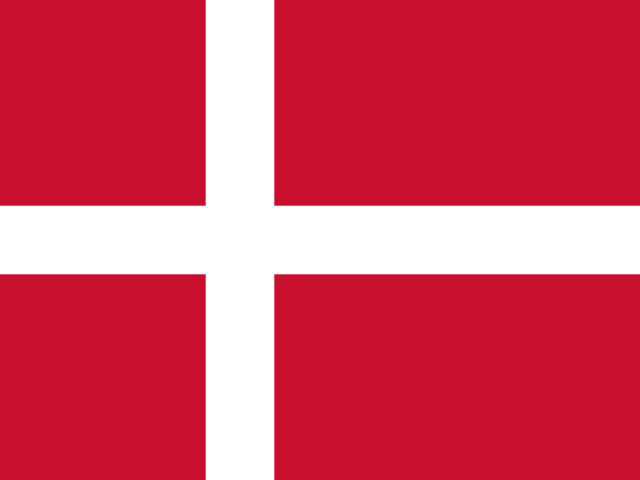
Flags of Portugal's neighbours
Sources
- Wikipedia: Flag of Portugal
- Flags of the World: Portugal
Last reviewed 24 October 2026. Read how we research flags in our editorial policy, or report a mistake.