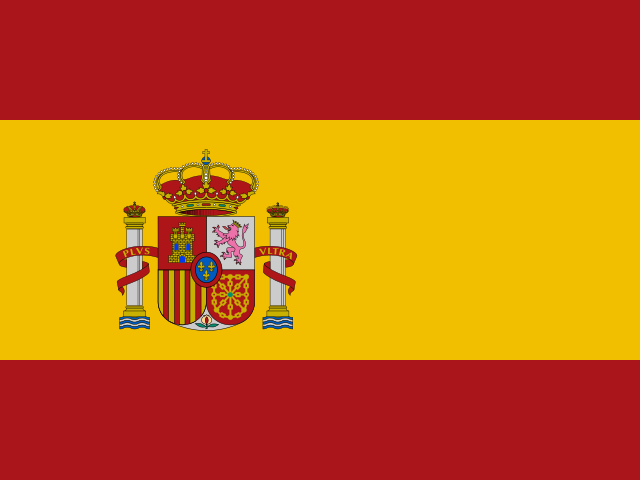
Flag of Spain
Three horizontal stripes of red, yellow and red, the yellow twice as tall as each red. The coat of arms is on the yellow stripe, nearer the hoist.
What the flag means
Law 39/1981 states that the flag symbolises the nation and is a sign of the sovereignty, independence, unity and integrity of Spain. The law does not give the red and yellow a meaning.
History
King Charles III chose the red, yellow and red design by royal decree on 28 May 1785 as the ensign of the navy, so that Spanish ships would not be mistaken for those of other countries at a distance. A decree of 13 October 1843 extended it to the army. The Second Republic used a red, yellow and murrey tricolour from 1931 to 1939. Article 4 of the 1978 Constitution defines the current flag, and Law 33/1981 of 5 October 1981 set the present coat of arms.
The flag is nicknamed 'la Rojigualda'. Gualda is the old name for weld, a plant used to make yellow dye.
Earlier flags of Spain
- 1931–1939Red, yellow and murrey (purple) tricolour of the Second Republic
- 1938–1977Red, yellow and red with the arms on the eagle of Saint John
- 1977–1981Red, yellow and red with a redrawn eagle, wings spread wider
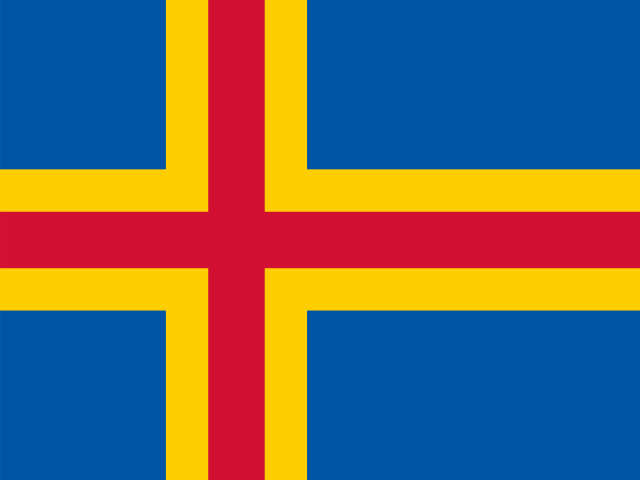
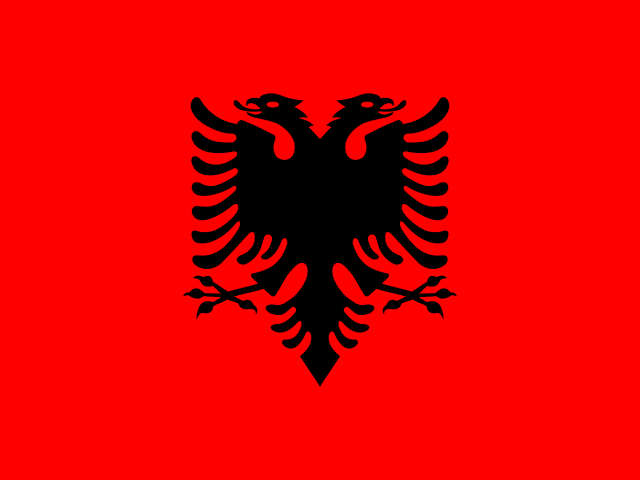
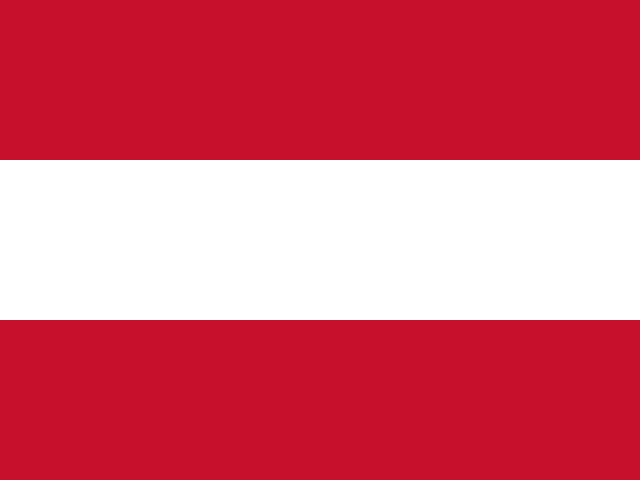
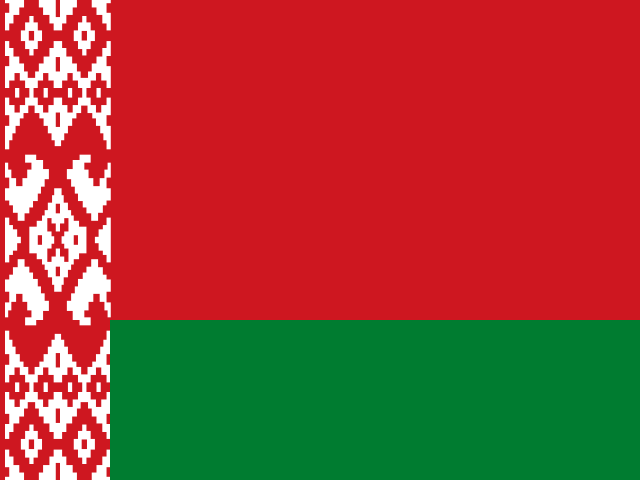
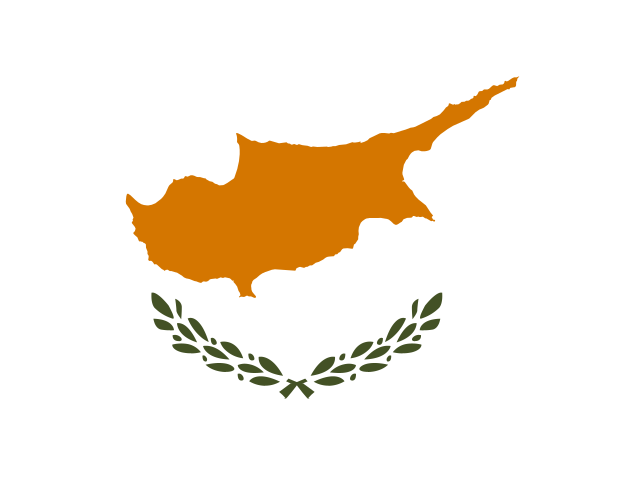
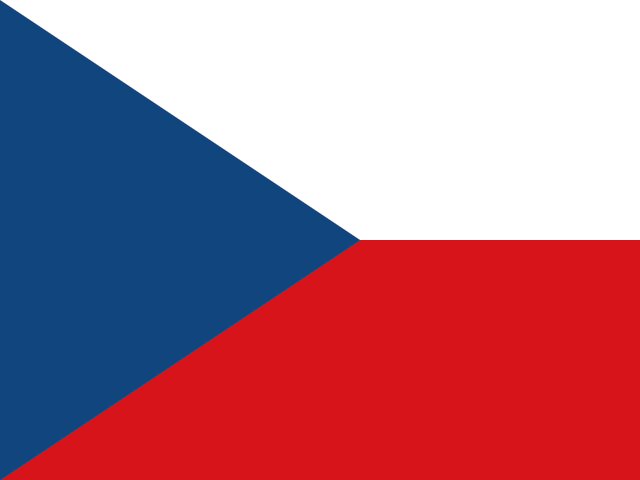
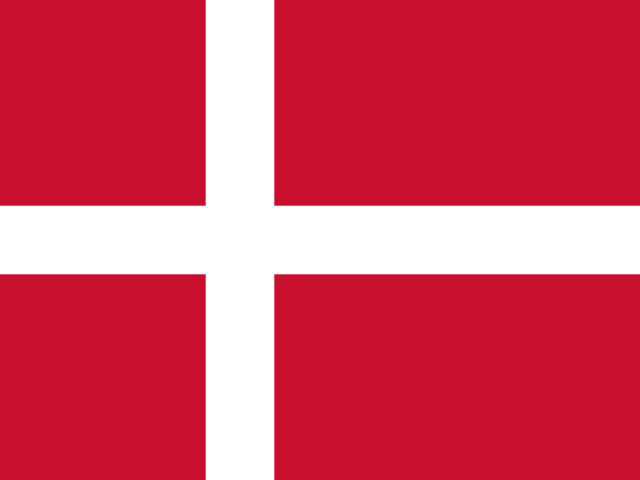
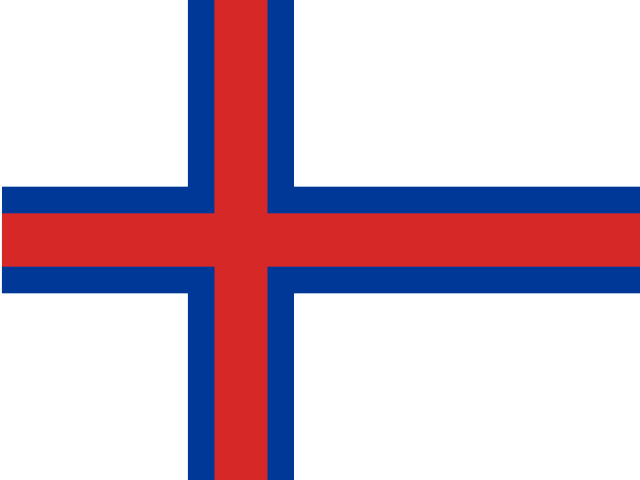
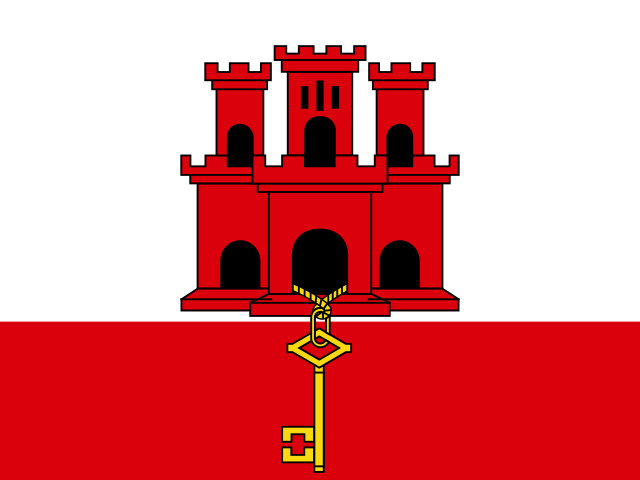
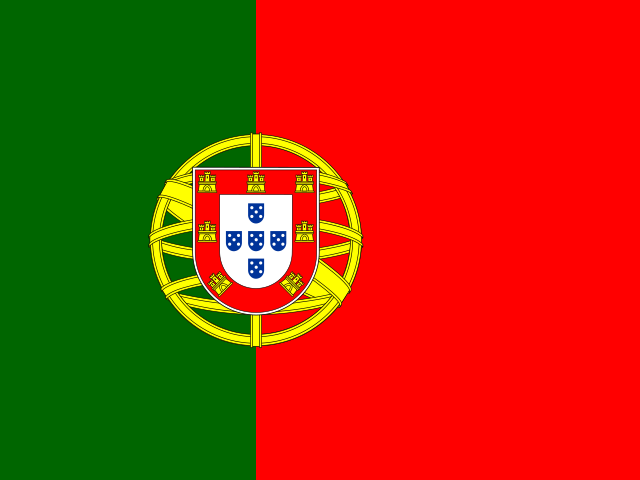
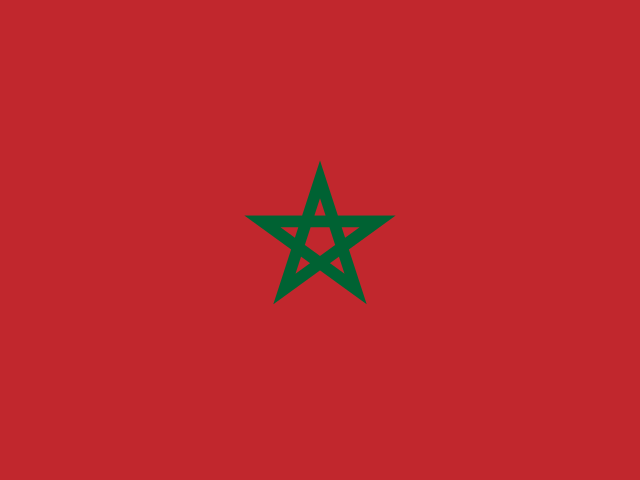
Flags of Spain's neighbours
Sources
- Wikipedia: Flag of Spain
- Government of Spain (administracion.gob.es): Símbolos del Estado
Last reviewed 24 October 2026. Read how we research flags in our editorial policy, or report a mistake.