Flag of Germany
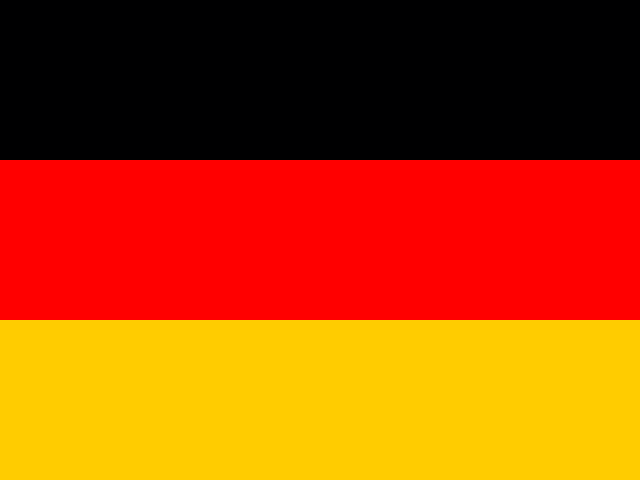
Three equal horizontal bands of black, red and gold.
What the flag means
The Basic Law sets the colours but gives them no meaning, and their origin is disputed. One explanation points to the uniforms of the Lützow Free Corps, black with red facings and gold buttons. The colours were also the emblem of the student fraternities at the Wartburg Festival of 1817. In 1949 the Parliamentary Council saw them as the colours of unity and freedom.
History
The Frankfurt National Assembly made black, red and gold the flag of the German Confederation in 1848. In 1871 the German Empire chose black, white and red. The Weimar Constitution brought back black, red and gold in 1919, but the Nazis dropped the flag in 1933. Both German states took up the tricolour in 1949. Article 22 of the West German Basic Law says 'The federal flag is black-red-gold', and East Germany added its state emblem on 1 October 1959. The plain flag became the flag of reunified Germany on 3 October 1990.
A black, red and gold flag carried at the Hambach Festival in May 1832 survives and is on display at Hambach Castle.
Earlier flags of Germany
- 1871–1918Black, white and red horizontal tricolour of the German Empire
- 1935–1945Swastika flag of the Nazi Party, the sole national flag from 1935
- 1959–1990East German black, red and gold flag with the state emblem in the centre
Flags that look like this one
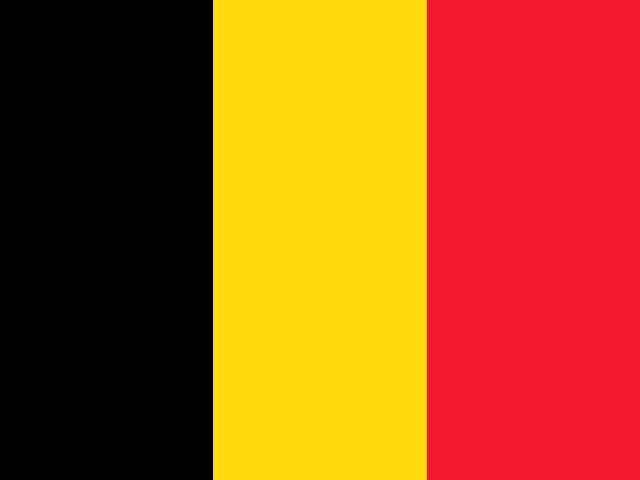
Same three colours. Belgium's stripes are vertical (black, yellow, red); Germany's are horizontal (black, red, gold).
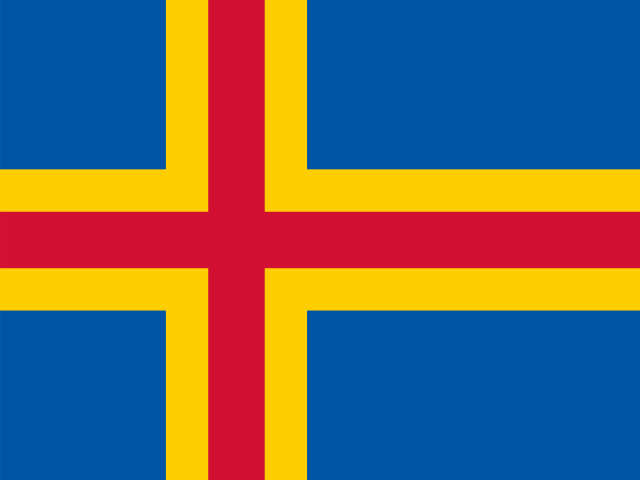
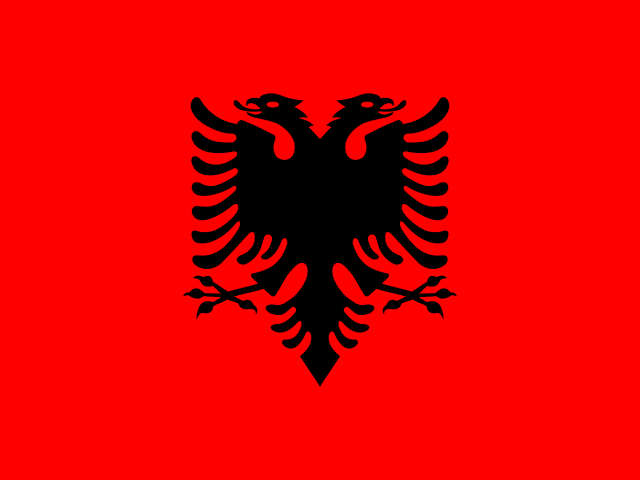
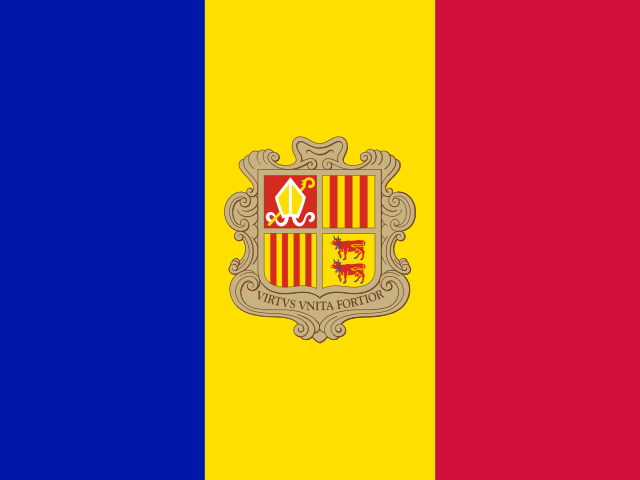
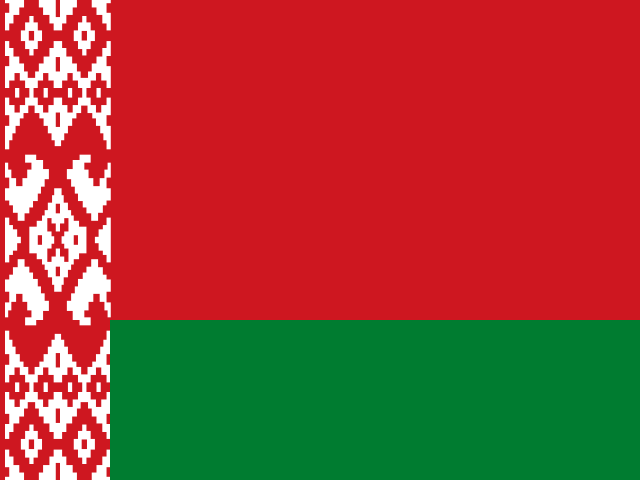
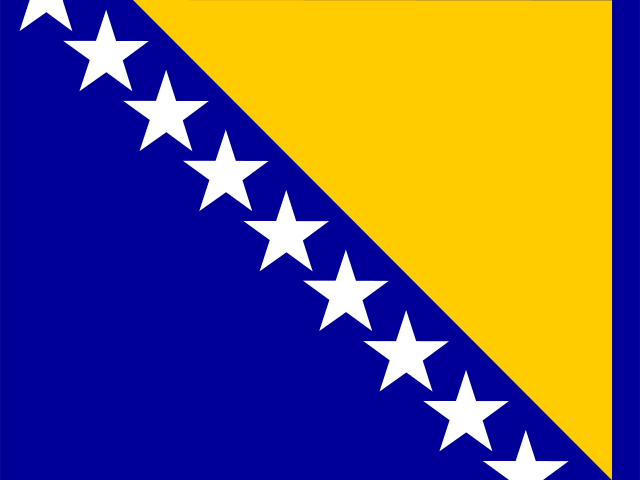
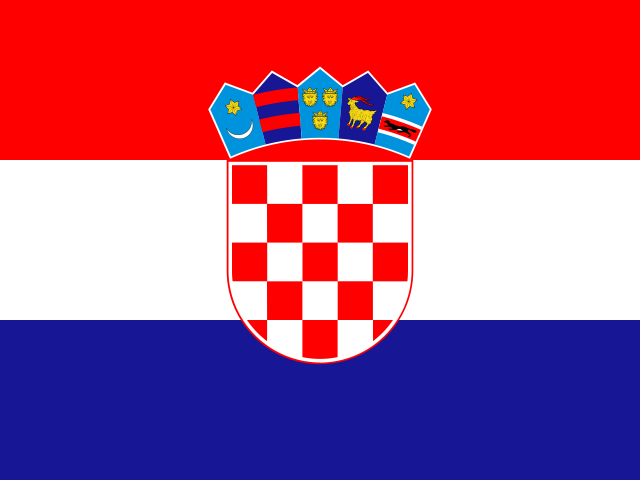
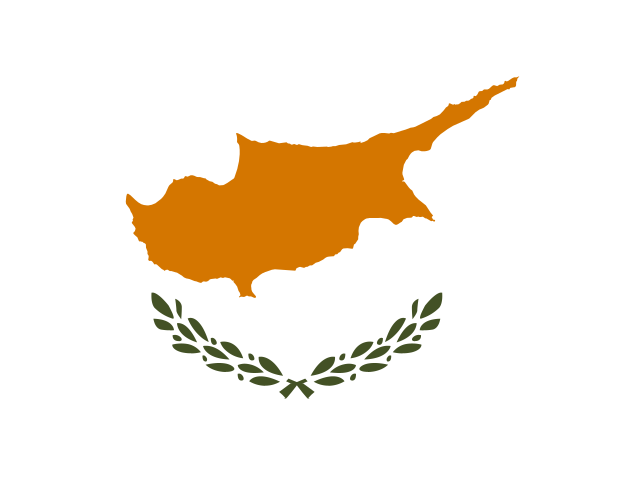
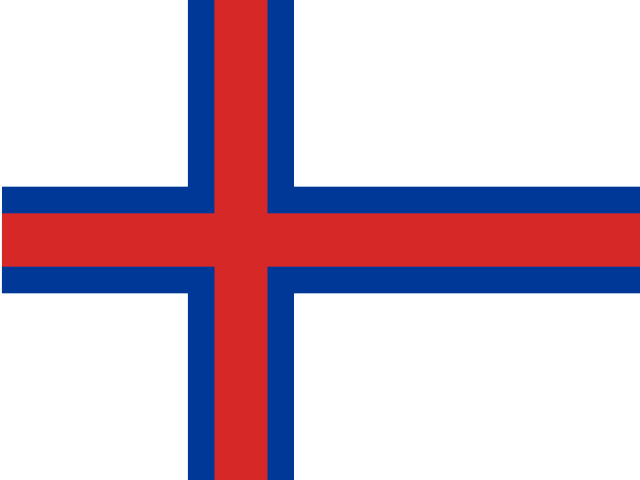
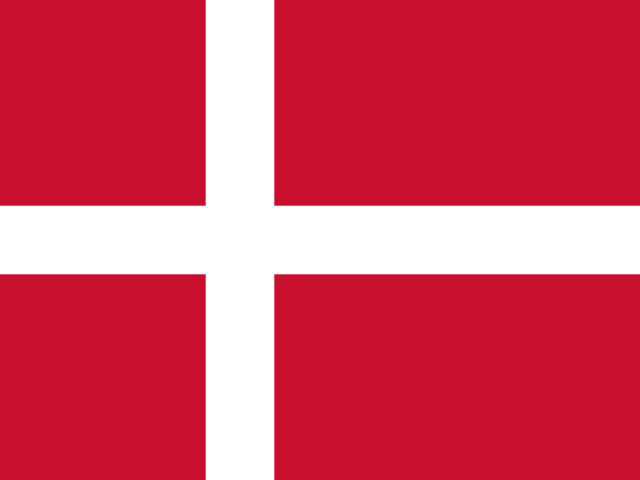
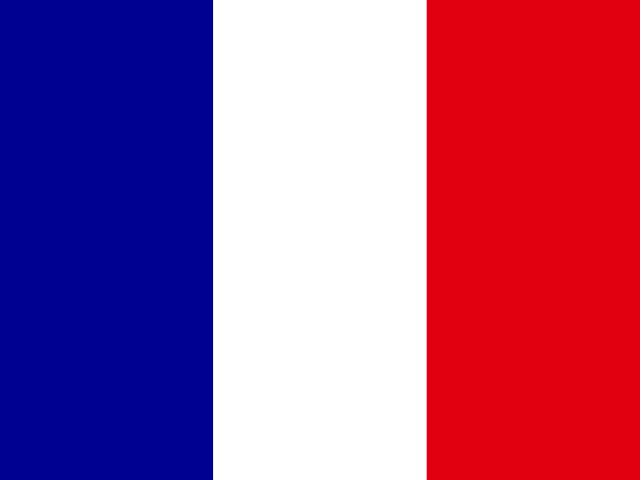
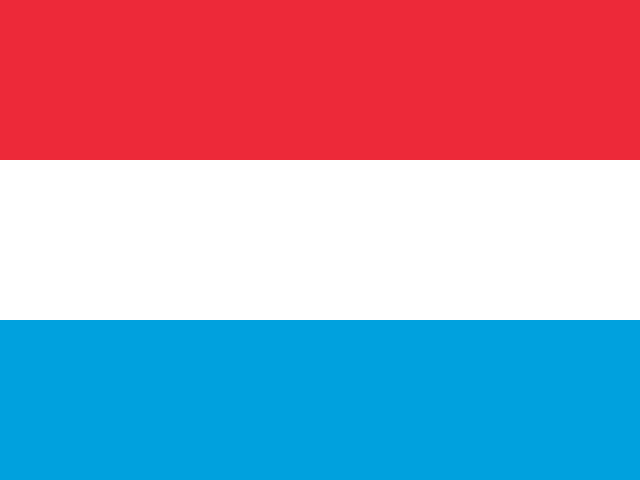
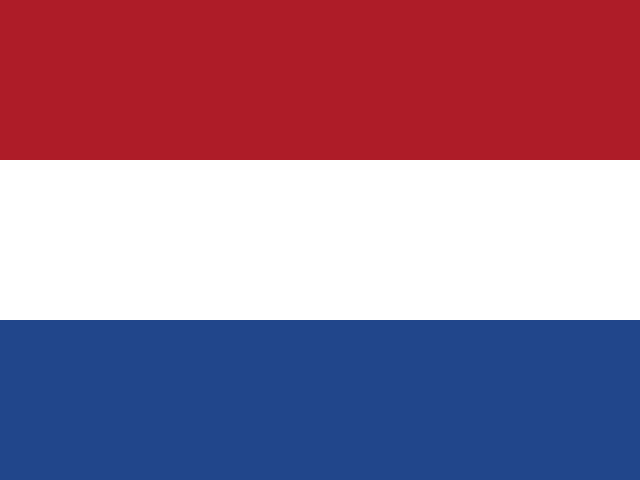
Flags of Germany's neighbours

Sources
- Wikipedia: Flag of Germany
- Bundeszentrale für politische Bildung: Wappen, Flagge und Hymne
Last reviewed 24 October 2026. Read how we research flags in our editorial policy, or report a mistake.