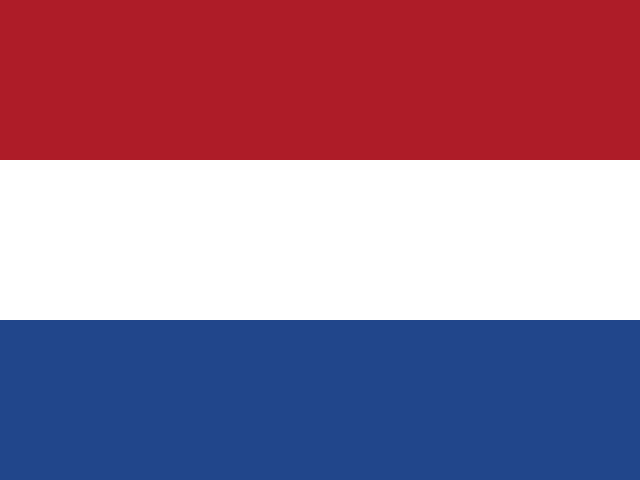
Flag of Netherlands
Three equal horizontal bands of red, white and blue.
What the flag means
The 1937 decree names the colours without explaining them. The flag descends from the orange, white and blue Prince's Flag, based on the livery of William of Orange, who led the Dutch revolt against Spain in the 16th century.
History
Orange, white and blue were first recorded at the siege of Leiden in 1574. Red appeared in place of orange as early as 1597 and gradually replaced it between 1630 and 1660. A royal decree of 19 February 1937, issued by Queen Wilhelmina, stated that the colours of the flag of the Kingdom are red, white and blue. In 1958 the shades were defined as bright vermilion and cobalt blue.
On King's Day, 27 April, and on some royal birthdays, an orange pennant is flown above the flag.
Earlier flags of Netherlands
- 1570s–1652Prince's Flag: orange, white and blue horizontal bands
- 1796–1806Red, white and blue with the Dutch Maiden in the canton (Batavian Republic)
Flags that look like this one
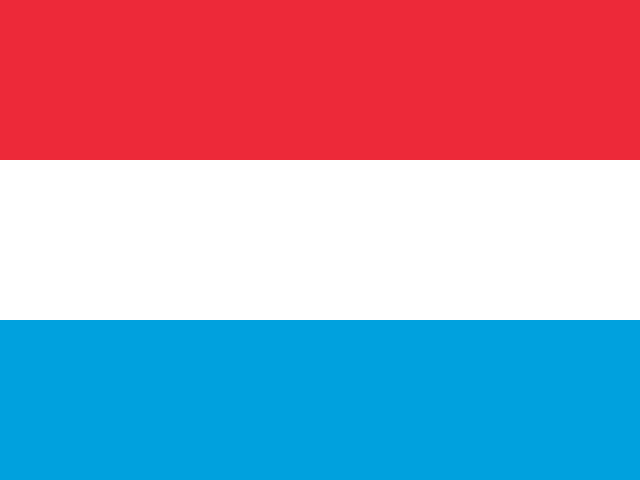
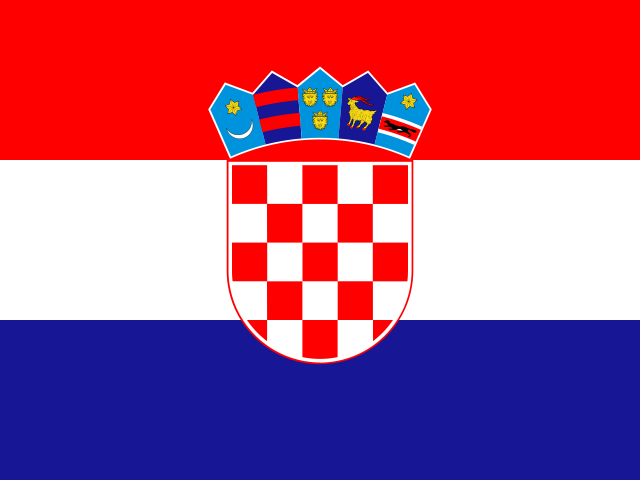
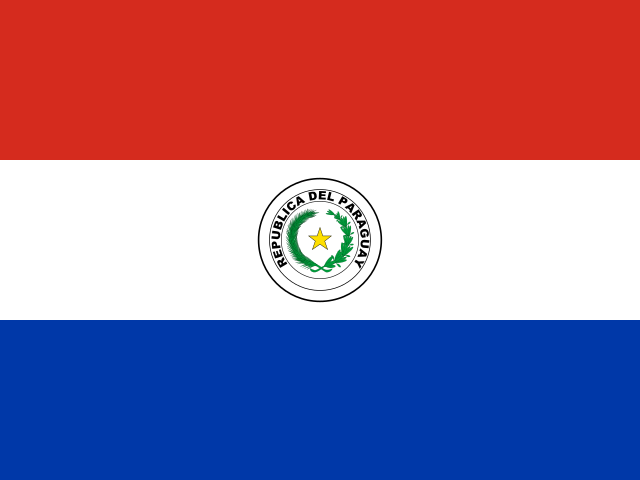
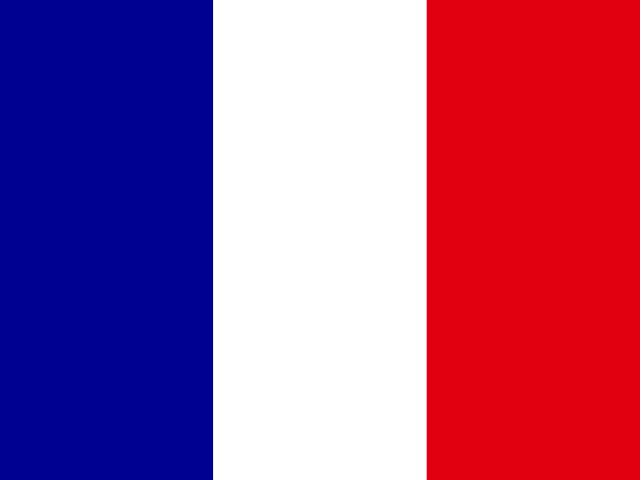
The Netherlands and Luxembourg are red, white and blue stripes; Luxembourg's bottom stripe is a lighter sky blue. Croatia adds a red-and-white chequered shield, and Paraguay adds a round seal.
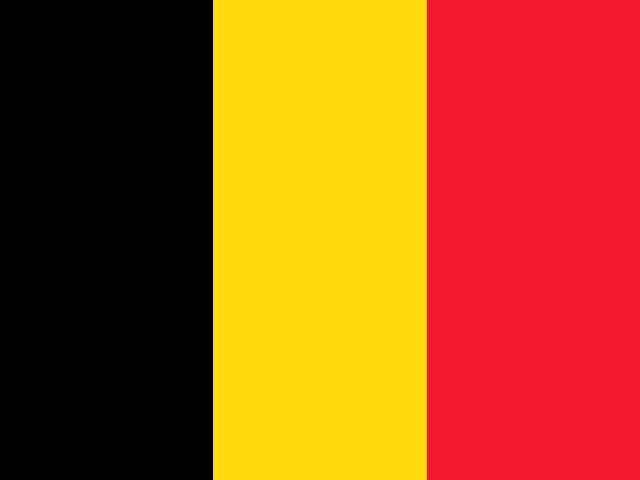
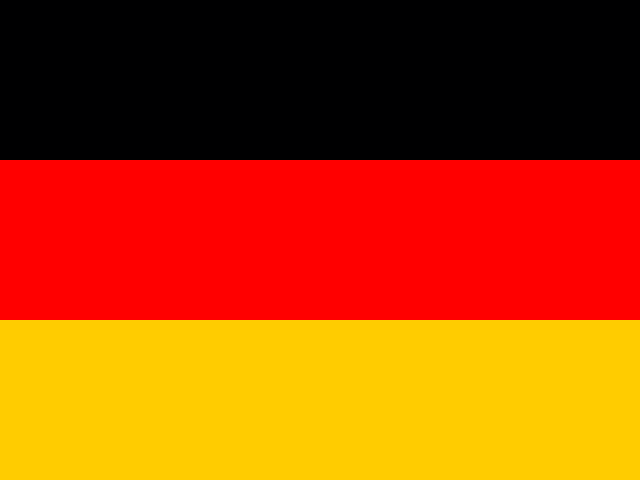
Flags of Netherlands's neighbours
Sources
- Wikipedia: Flag of the Netherlands
- Flags of the World: Netherlands
Last reviewed 24 October 2026. Read how we research flags in our editorial policy, or report a mistake.