Flag of Italy
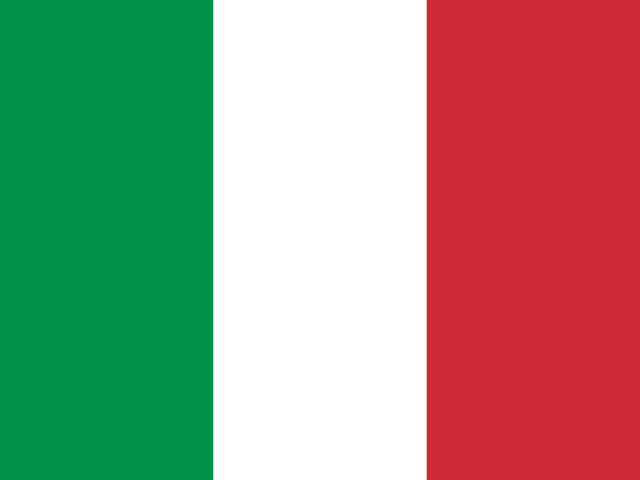
Three equal vertical bands of green, white and red, with green at the hoist.
What the flag means
Italian law does not explain the colours. The government's flag guide traces the tricolour to a cockade worn by students in Bologna in 1794, copied from the French one with green in place of blue. Italian Jacobins favoured green as the colour of nature and, by extension, of natural rights.
History
On 7 January 1797 the parliament of the Cispadane Republic, meeting at Reggio Emilia, adopted a horizontal red, white and green flag on the proposal of Giuseppe Compagnoni. The Cisalpine Republic later set the bands vertically. The Kingdom of Sardinia took up the tricolour with the Savoy arms in 1848, and it passed to the Kingdom of Italy in 1861. The arms were dropped when Italy became a republic in 1946. Article 12 of the Constitution, in force from 1 January 1948, defines the flag.
7 January is Tricolour Day, set by Law No. 671 of 31 December 1996 for the flag's 200th anniversary.
Earlier flags of Italy
- 1861–1946Tricolour with the arms of the House of Savoy on the white band
Flags that look like this one
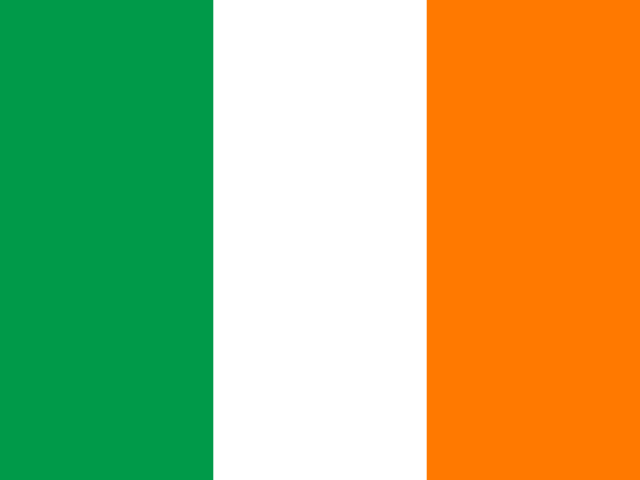
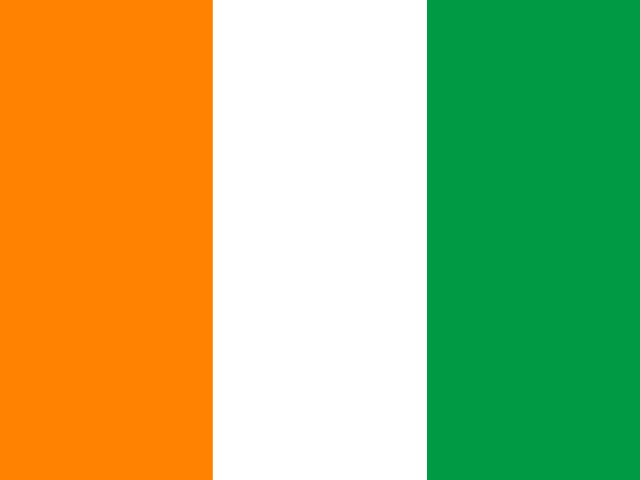
Ireland is green, white, orange from the flagpole side. Ivory Coast is the mirror image: orange, white, green. Italy swaps the orange for red.
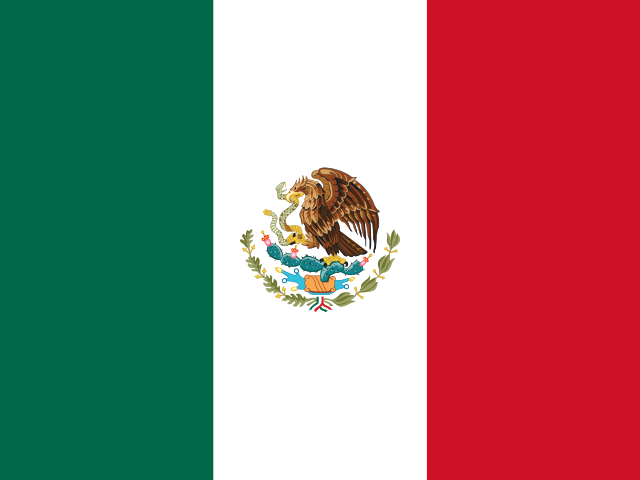
Green, white and red vertical stripes. Mexico adds its eagle-and-snake coat of arms, and its flag is longer.
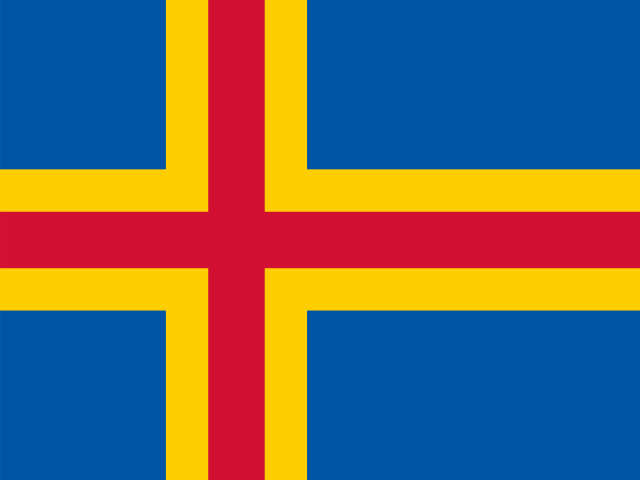
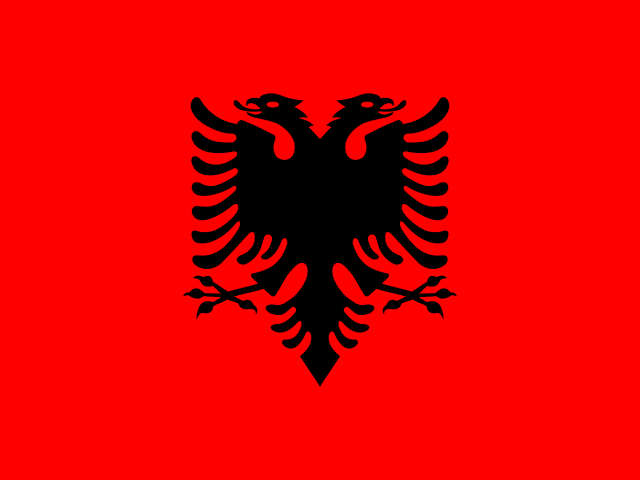
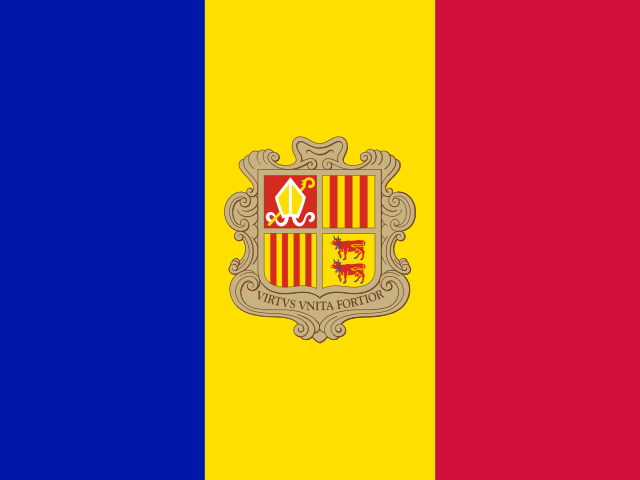
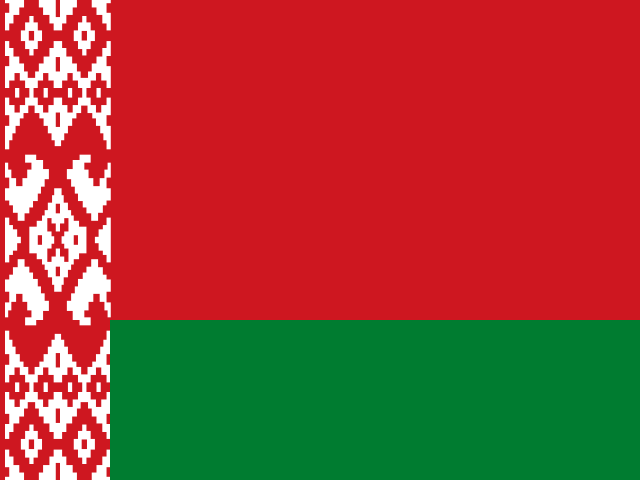
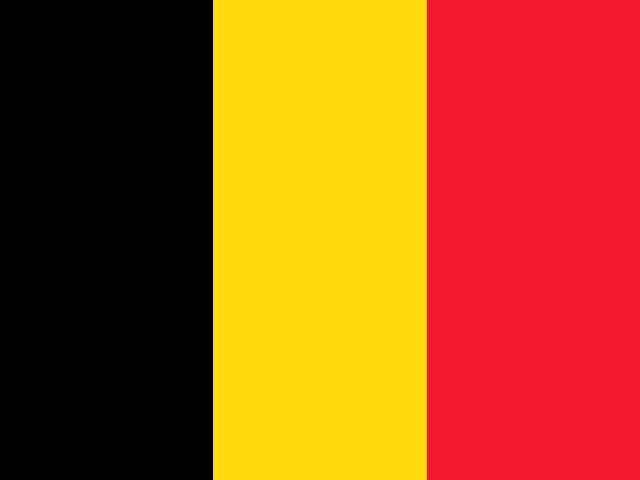
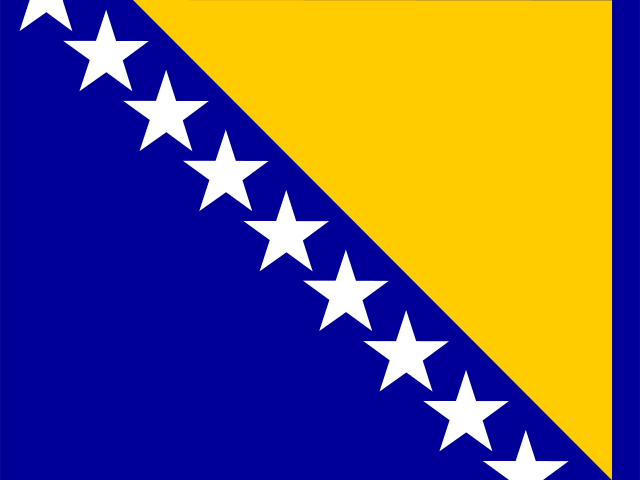
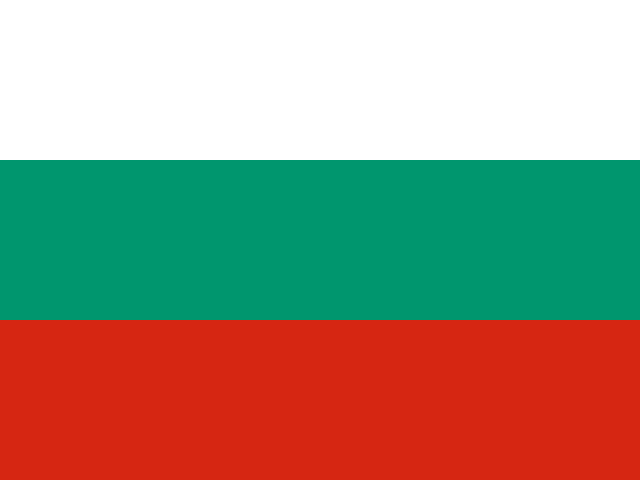
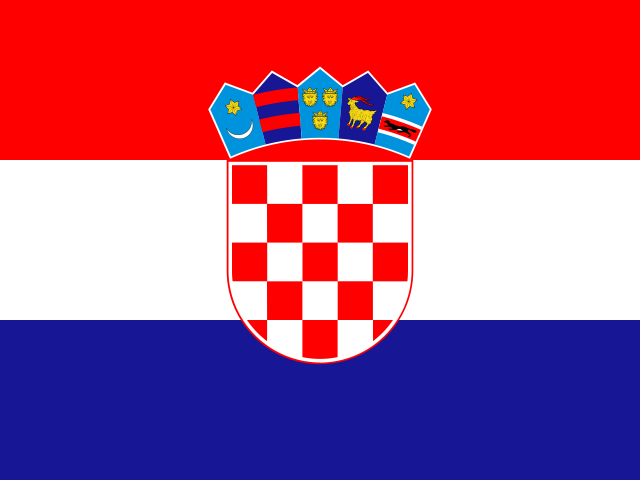
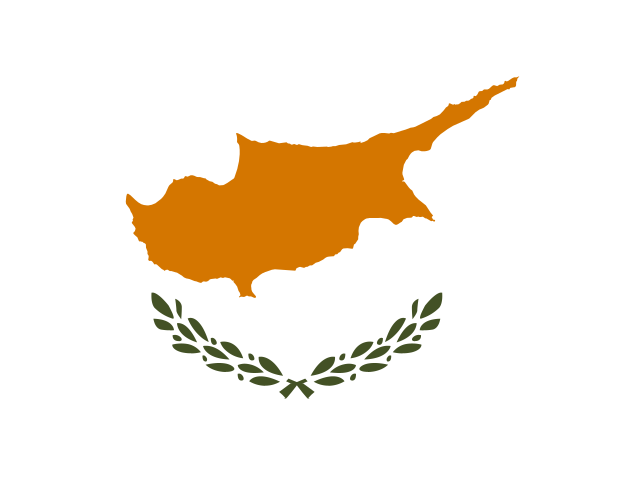
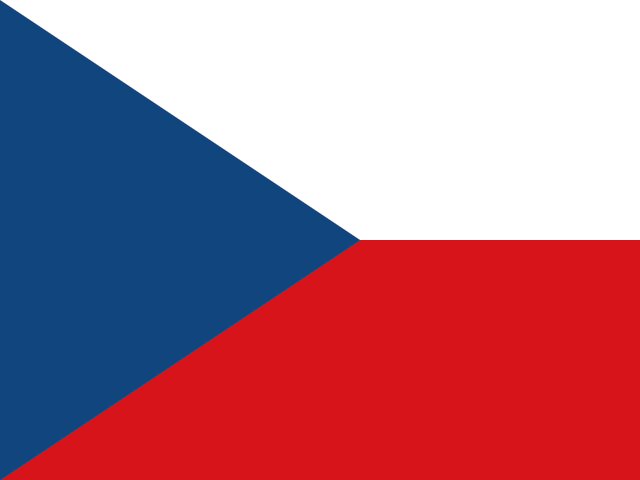
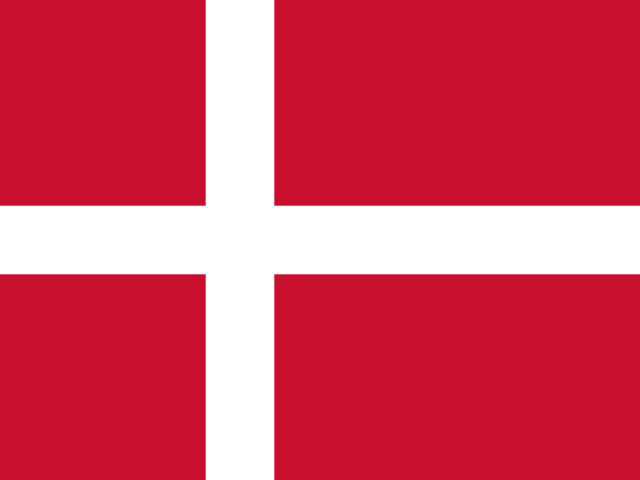
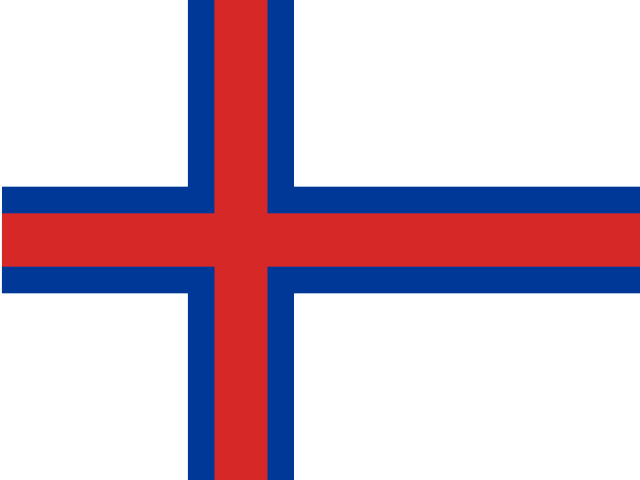
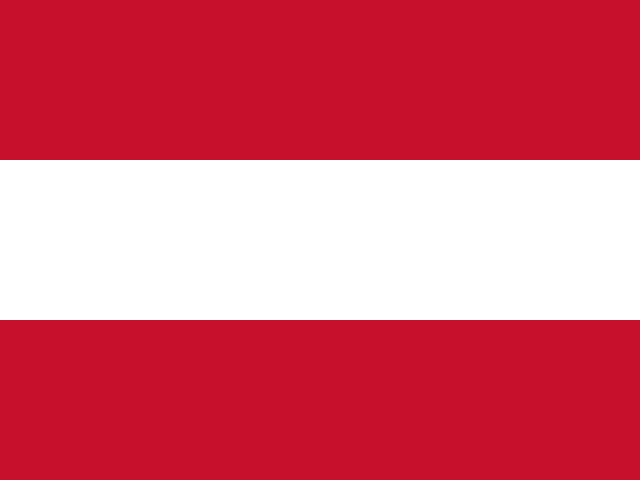
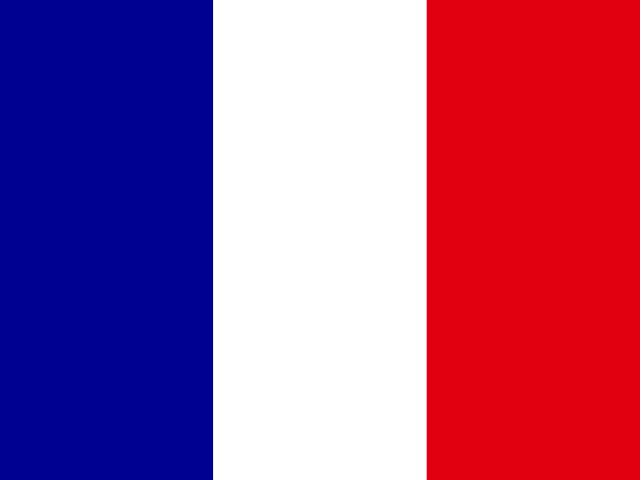
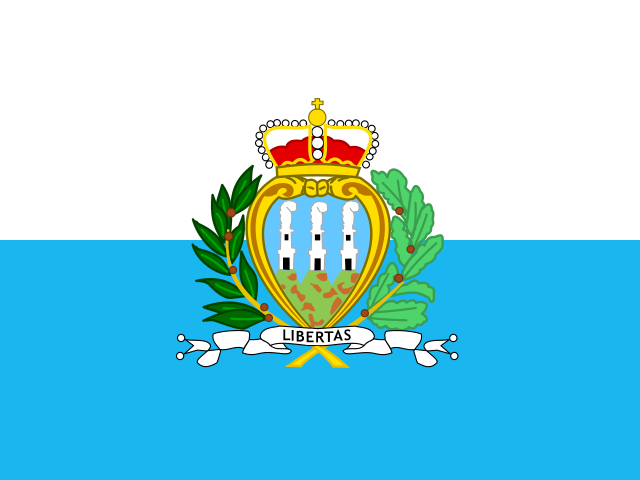
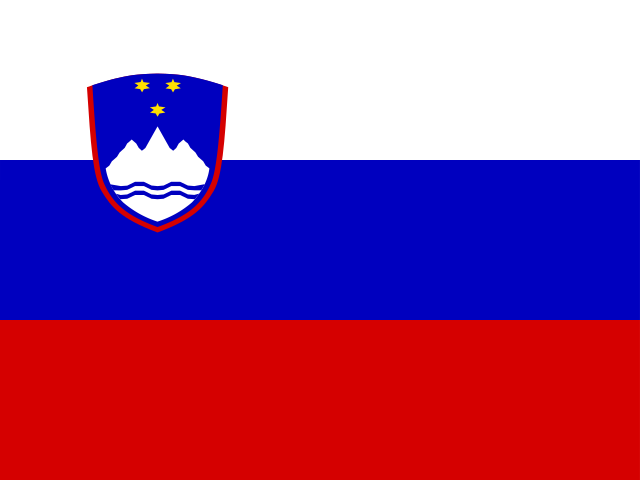
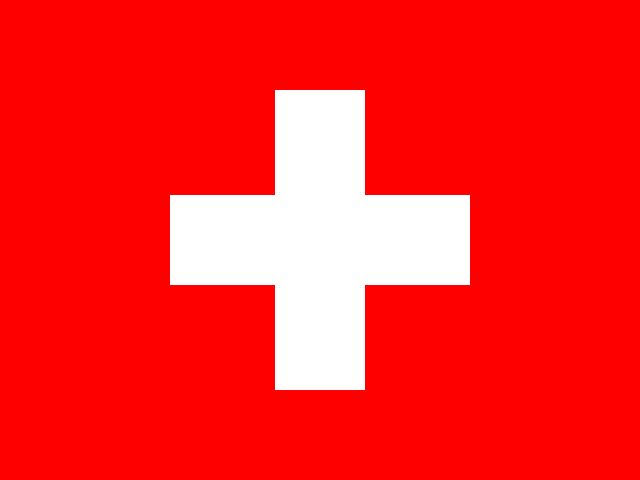
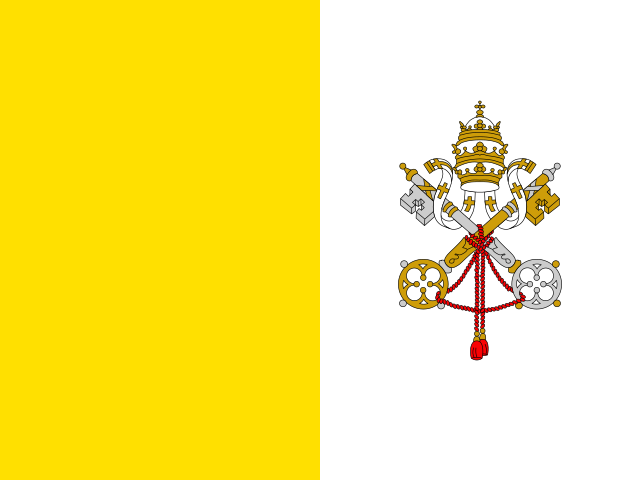
Flags of Italy's neighbours
Sources
- Wikipedia: Flag of Italy
- Presidenza del Consiglio dei Ministri: La Bandiera: cenni storici e norme per l'esposizione
Last reviewed 24 October 2026. Read how we research flags in our editorial policy, or report a mistake.