Flag of Bolivia
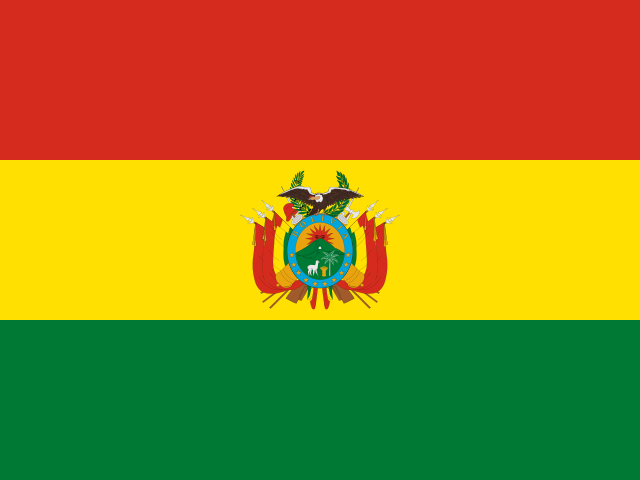
Three equal horizontal bands of red, yellow and green. The state flag, used for official acts, adds the national coat of arms in the centre.
What the flag means
A supreme decree of 1888, under President Gregorio Pacheco, set out the meanings. Red is the blood of the heroes who founded and preserved the republic, yellow is the country's wealth and resources, and green is the richness of its natural areas and hope.
History
The present order of stripes dates from the presidency of Manuel Isidoro Belzu and was adopted on 31 October 1851. Proportions were not fixed until Supreme Decree 27630 of 2004, which set them at 15:22, gave exact shades and separated the plain civil flag from the state flag with arms. Article 6 of the 2009 constitution made the Wiphala, a square flag of small coloured squares in diagonal rows, a national symbol alongside the tricolour. At official events it flies to the left of the tricolour.
Landlocked Bolivia has a navy that works on rivers and lakes. A large yellow star on its ensign stands for the access to the sea lost in the War of the Pacific.
Earlier flags of Bolivia
- 1825–1826Red band between two green bands, with five gold stars in wreaths
- 1826–1851The 1825 design with the upper green band changed to yellow
Flags that look like this one
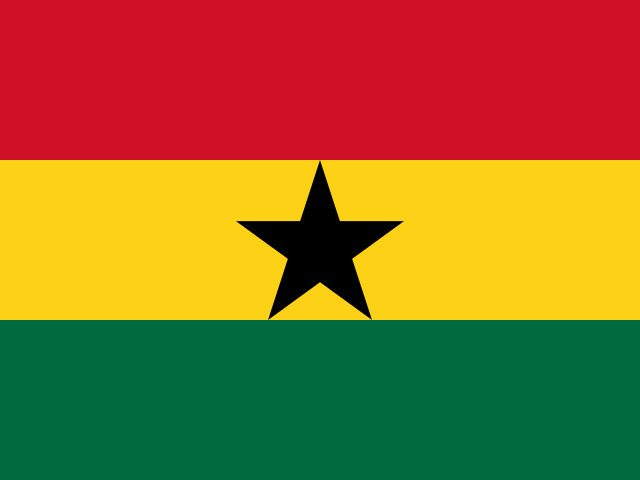
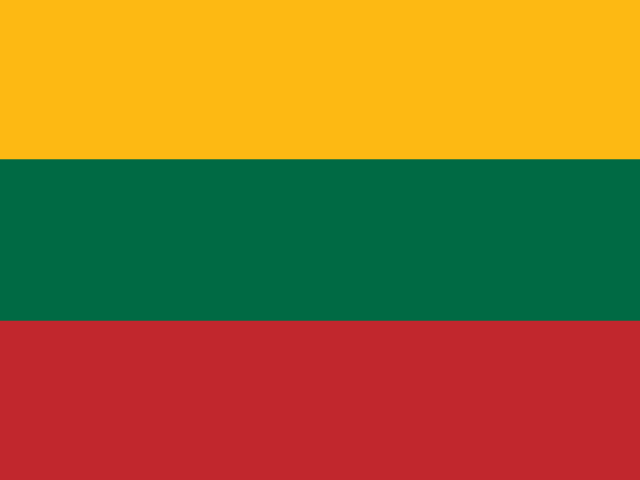
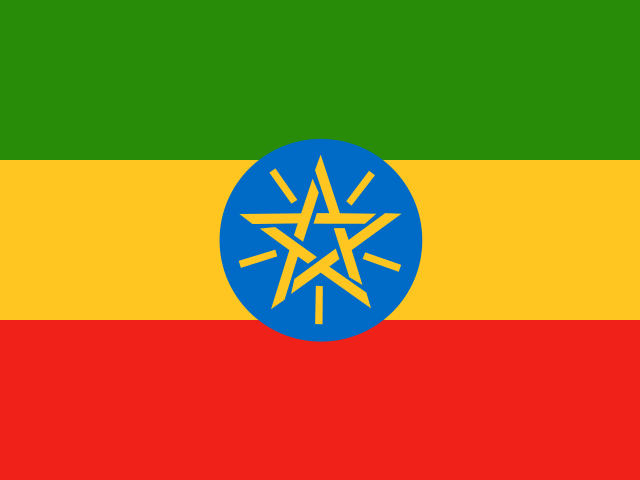
Bolivia is red, yellow, green. Ghana uses the same order with a black star. Lithuania is yellow, green, red. Ethiopia is green, yellow, red with a blue disc and star.
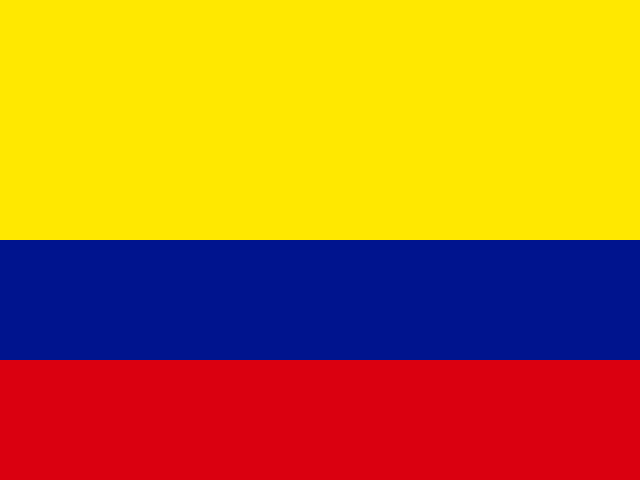
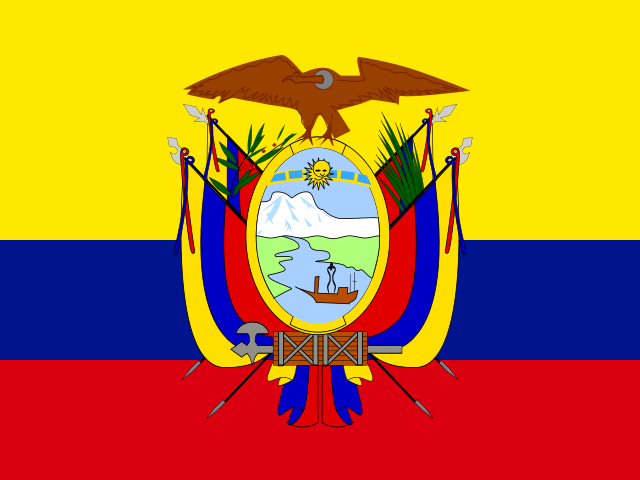
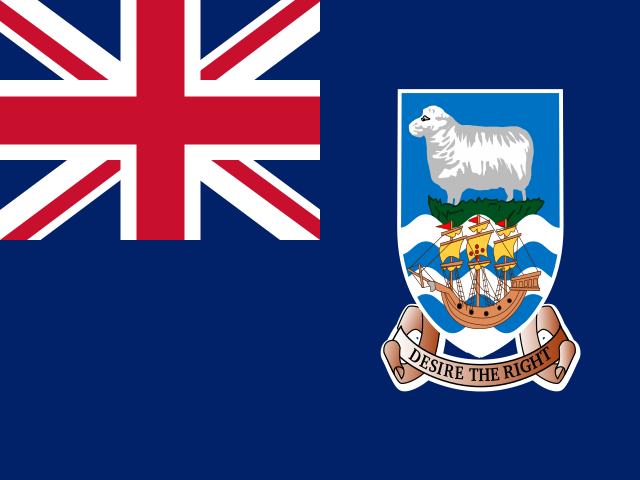
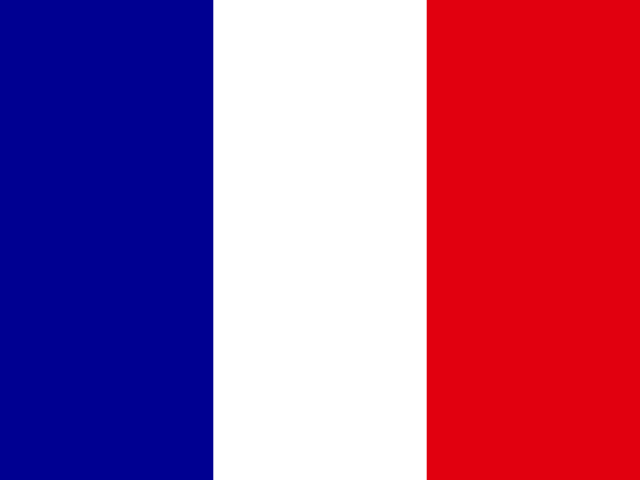
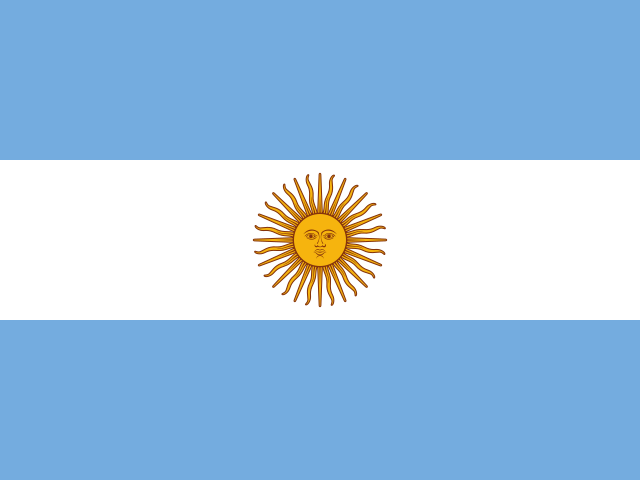
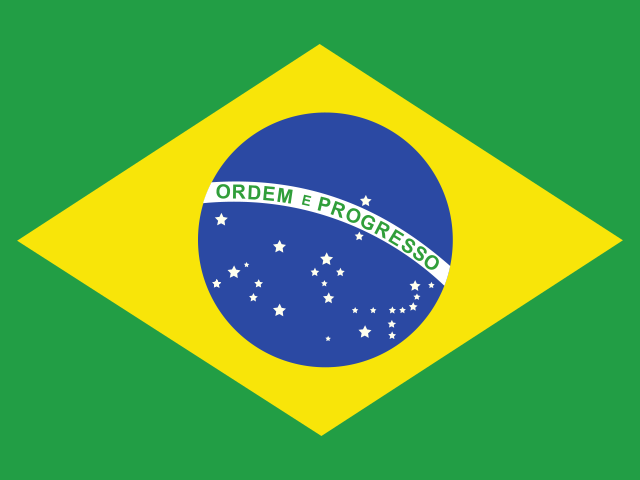
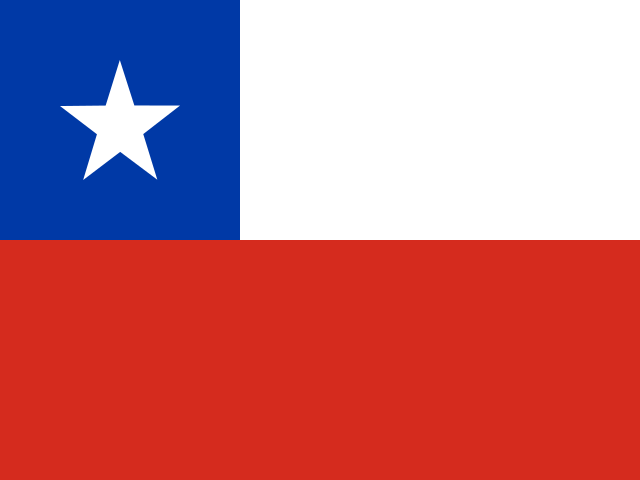
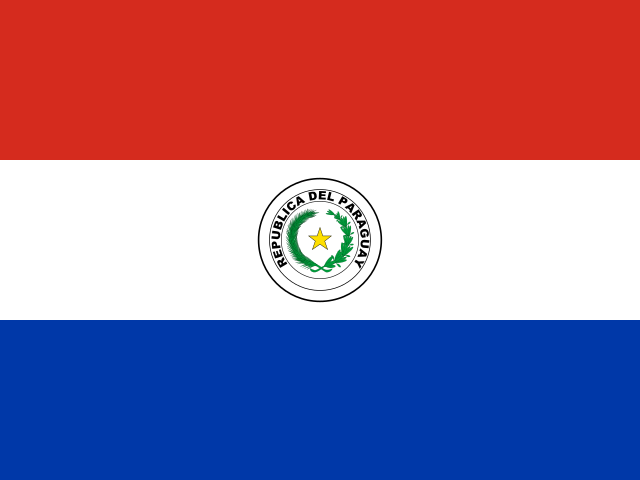
Flags of Bolivia's neighbours
Sources
- Wikipedia: Flag of Bolivia
- Flags of the World: Bolivia
- Flags of the World: Bolivia: Flags of 1825-1826
Last reviewed 24 October 2026. Read how we research flags in our editorial policy, or report a mistake.