Flag of Peru
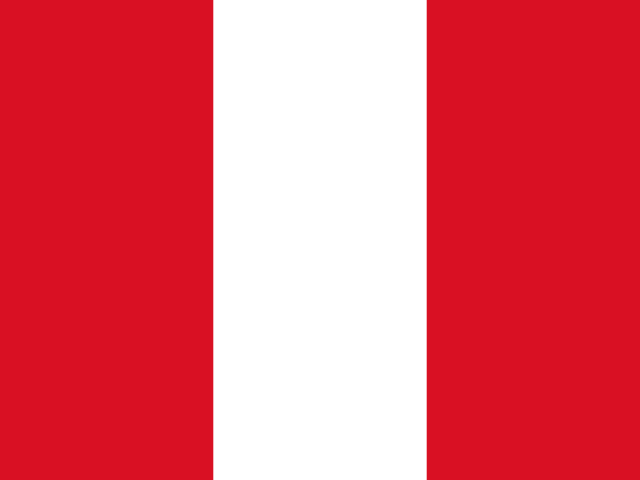
Three vertical bands of red, white and red. The state flag adds the national coat of arms in the centre of the white band.
What the flag means
Article 49 of the constitution describes the flag but gives the colours no meaning. Popular accounts give red for the blood of the independence fighters and white for peace. The writer Abraham Valdelomar told a story that José de San Martín took the colours from red and white flamingos he saw on the coast at Pisco.
History
San Martín's flag of 21 October 1820 was divided diagonally into red and white quarters, with a wreath around a sun rising over mountains. José Bernardo de Torre Tagle replaced it in 1822 with simpler designs, first horizontal and then vertical, each with a sun. Congress adopted the present vertical layout, with the coat of arms in place of the sun, on 25 February 1825. A decree of 31 March 1950 under Manuel Odría removed the arms from the civil flag.
The horizontal flag of March 1822 was dropped within months because on the battlefield it looked too much like the Spanish flag.
Earlier flags of Peru
- 1820–1822Diagonal red and white quarters with a wreathed sun over mountains
- 1822Horizontal red, white and red bands with a golden sun
- 1822–1825Vertical red, white and red bands with a golden sun
- 1825–1950Vertical red, white and red bands with the coat of arms
Flags that look like this one
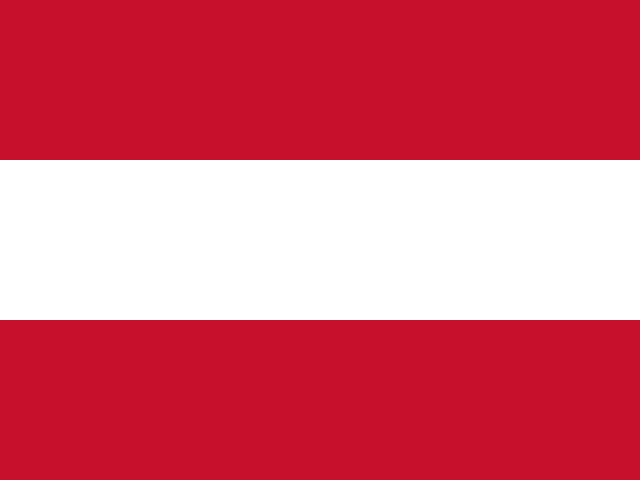

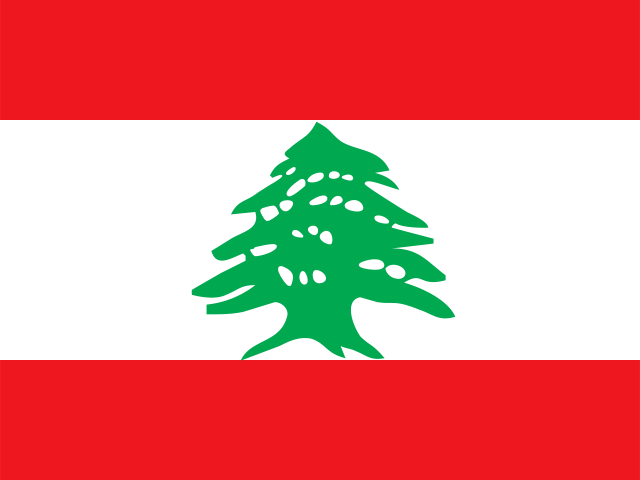
Austria has three equal red, white, red stripes. Latvia's red is a darker carmine and its white stripe is narrower. Lebanon has a green cedar tree. Peru's stripes are vertical.
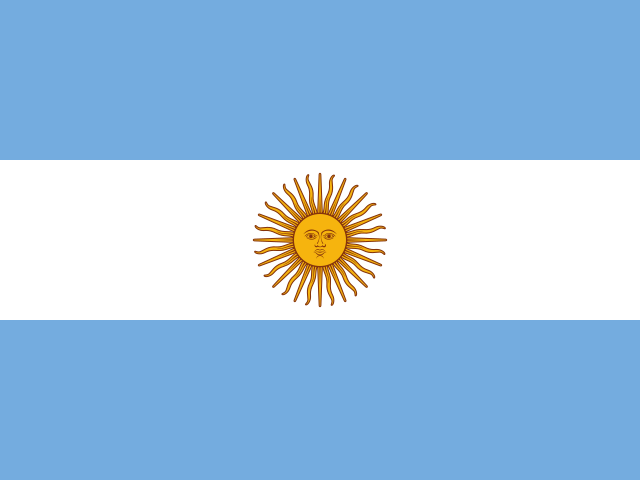
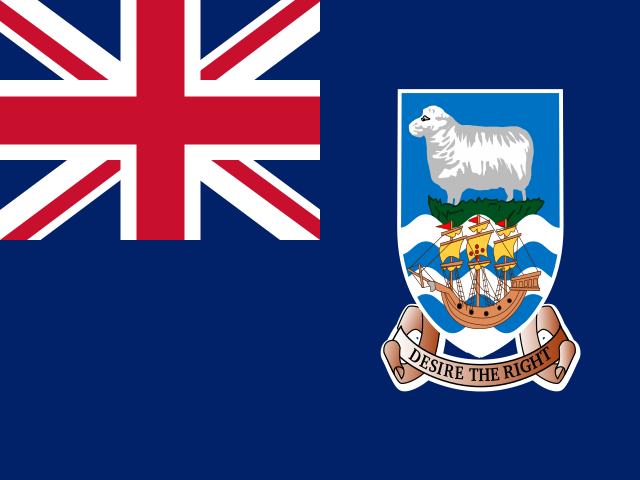
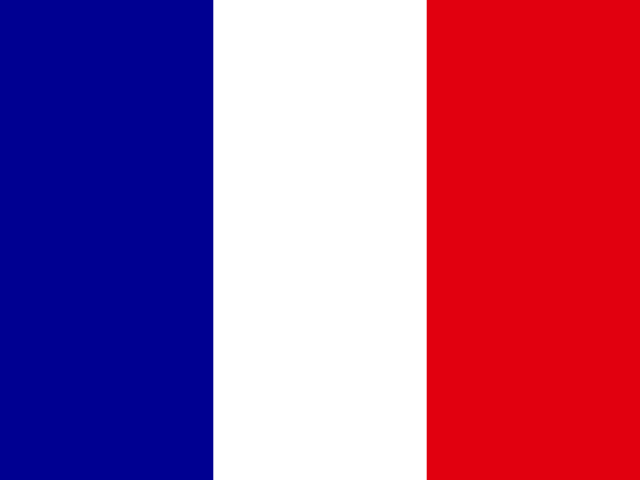
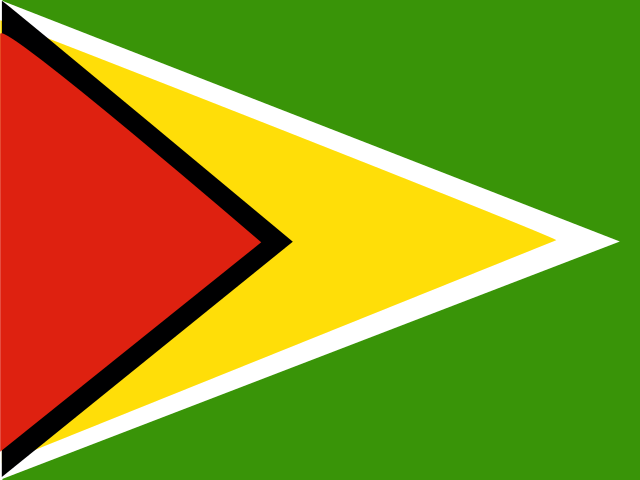
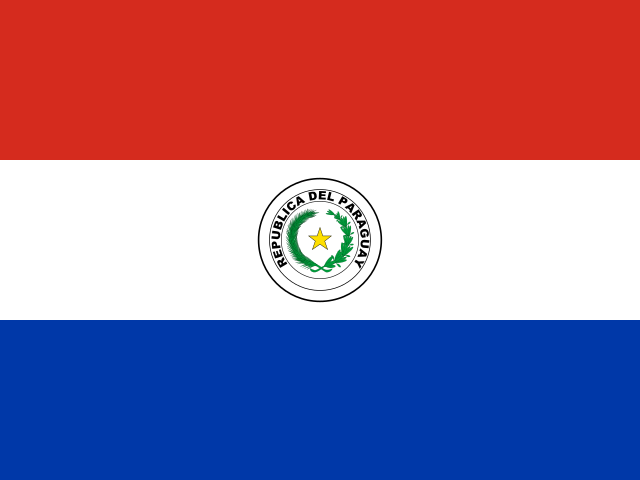
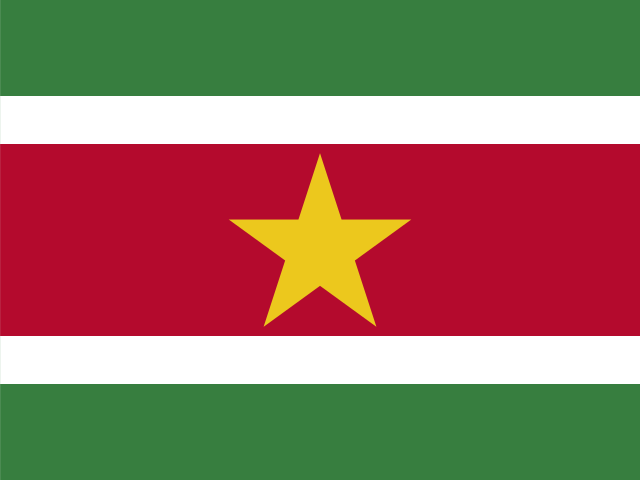
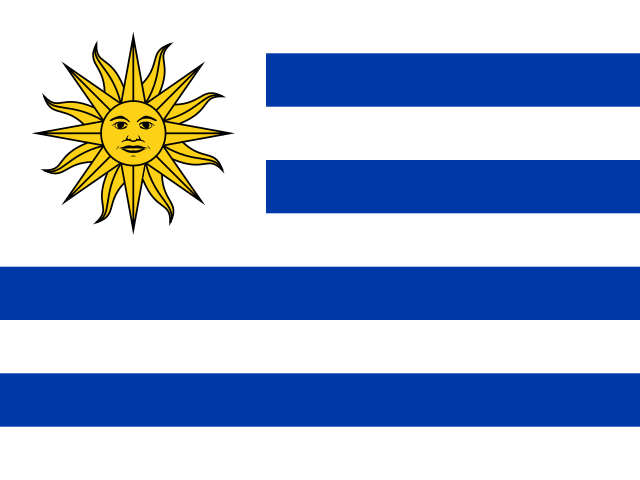
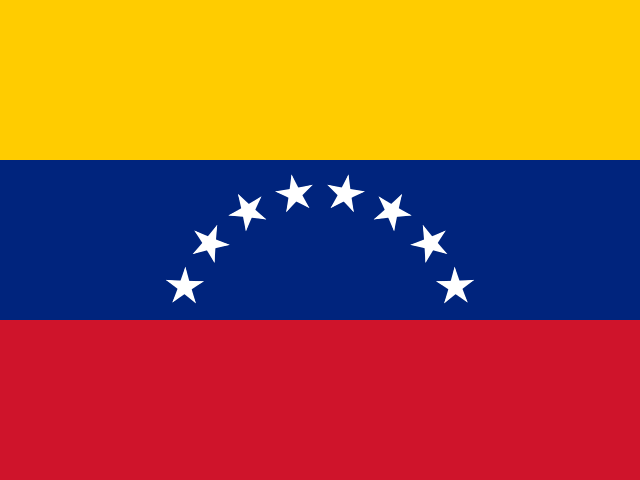
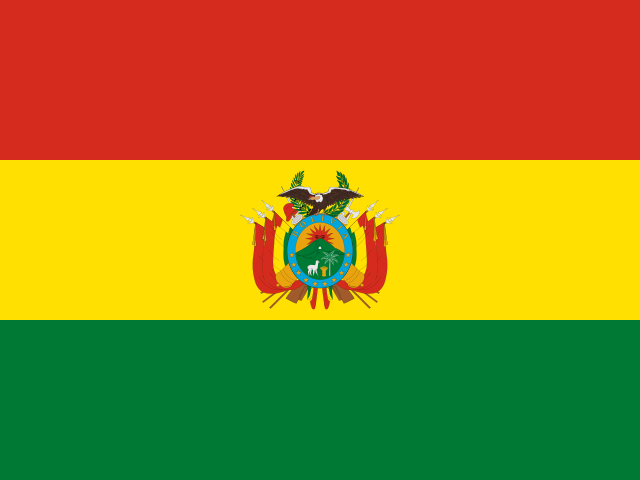
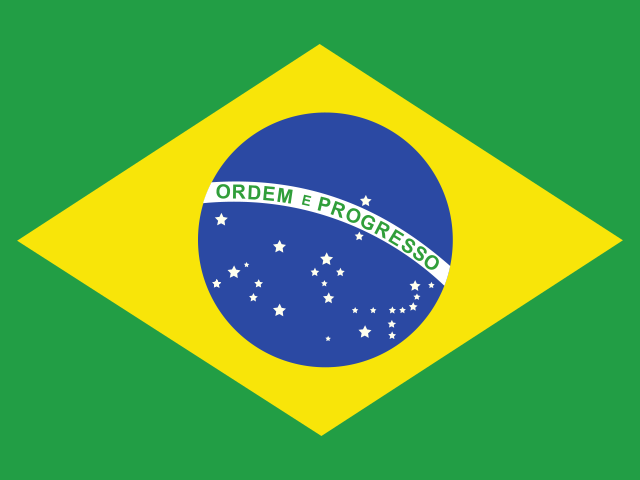
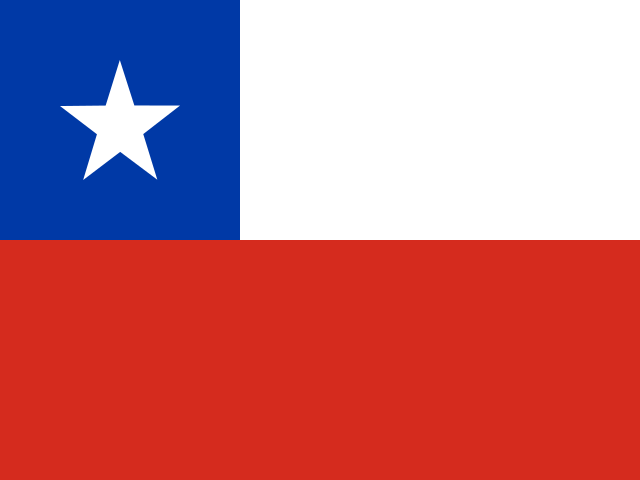
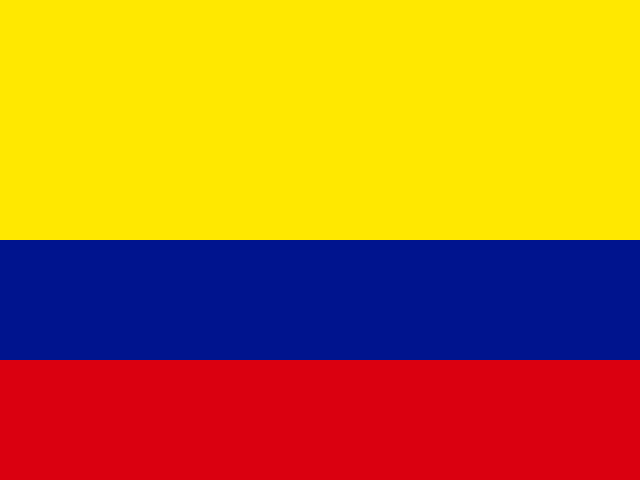
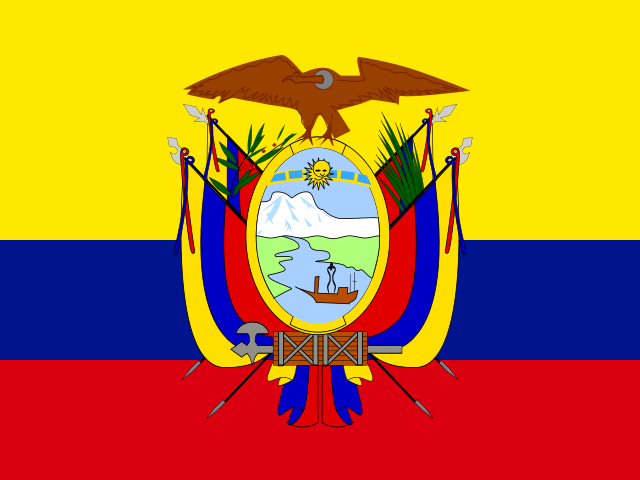
Flags of Peru's neighbours
Sources
- Wikipedia: Flag of Peru
- Flags of the World: Peru
Last reviewed 24 October 2026. Read how we research flags in our editorial policy, or report a mistake.