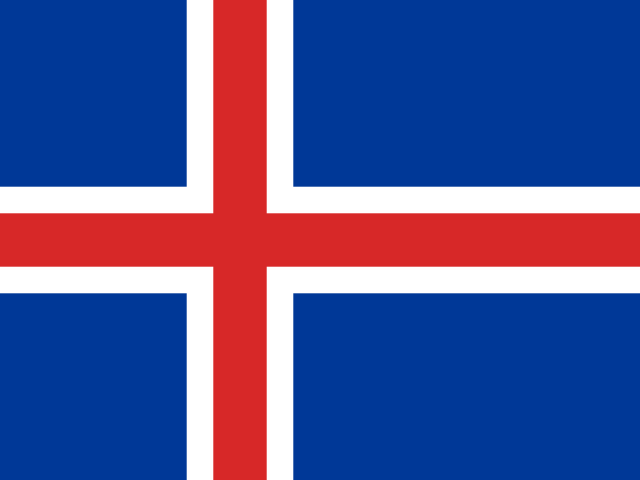
Flag of Iceland
A red cross edged in white on a blue field, with the vertical arm set towards the hoist.
What the flag means
The colours have no meaning in law. They are commonly interpreted as features of the country: red for volcanic fire, white for ice and snow, and blue for the mountains and sea.
History
A white cross on blue was first shown in public in 1897 and was used unofficially after that. A royal decree of King Christian X on 19 June 1915 approved the current design, credited to Matthías Þórðarson. A red cross inside the white one set it apart from similar foreign flags. It became the national flag in 1918, when Iceland gained sovereignty from Denmark. Law No. 34/1944, passed on 17 June 1944, the day Iceland became a republic, defines it today.
The 1944 flag law made disrespect towards the flag punishable by a fine or up to one year in prison.
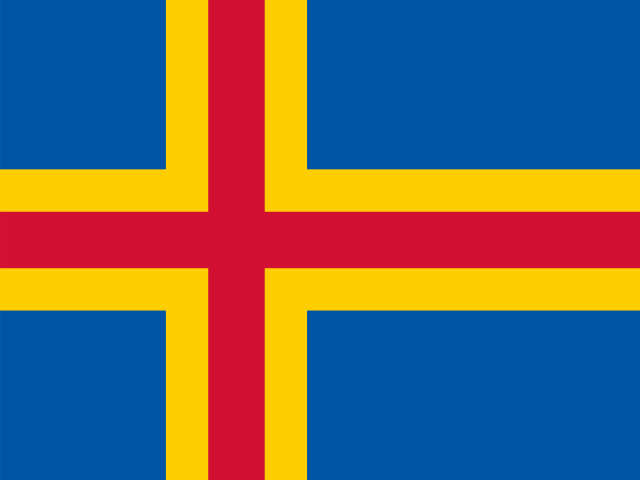
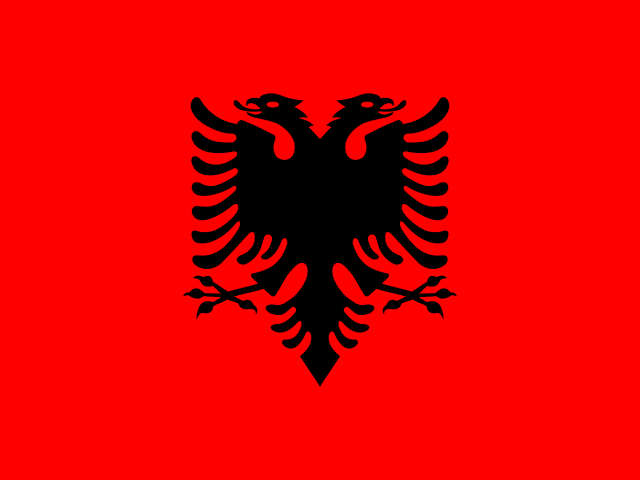
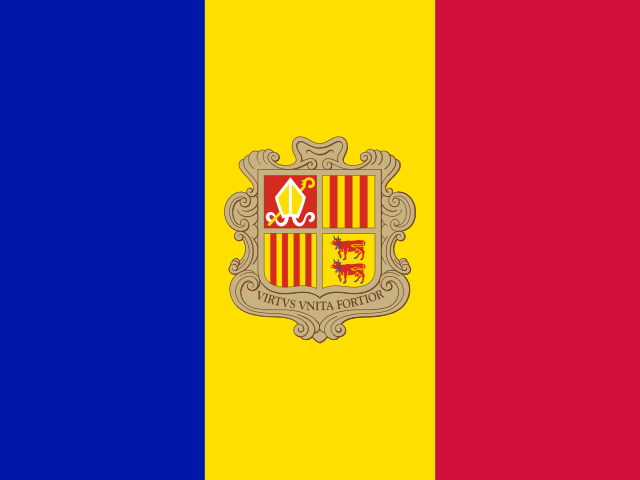
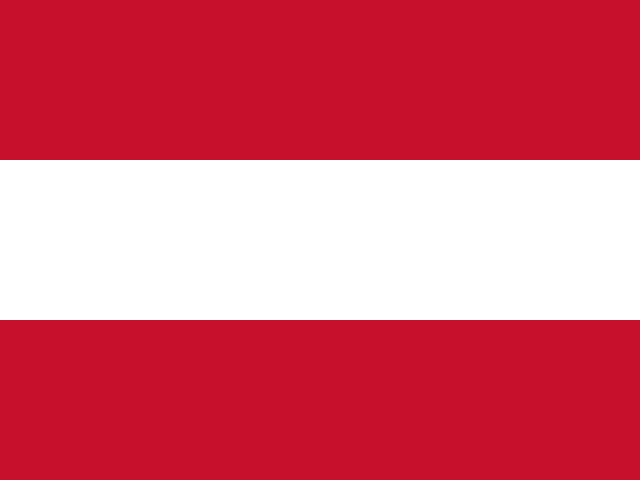
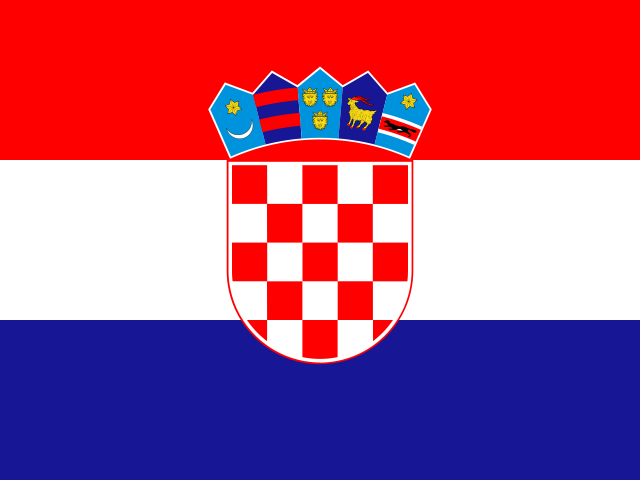
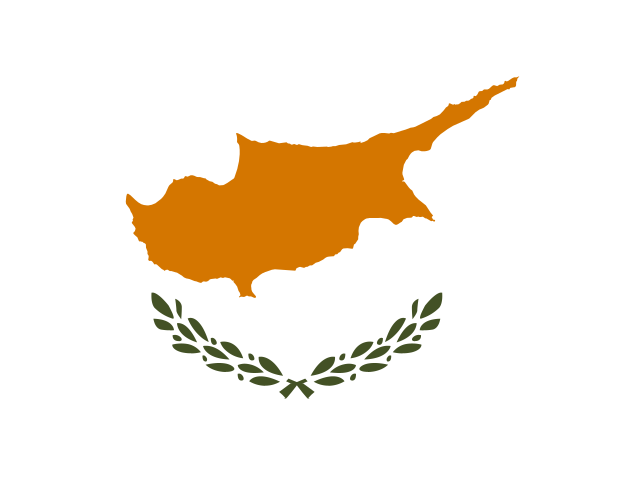
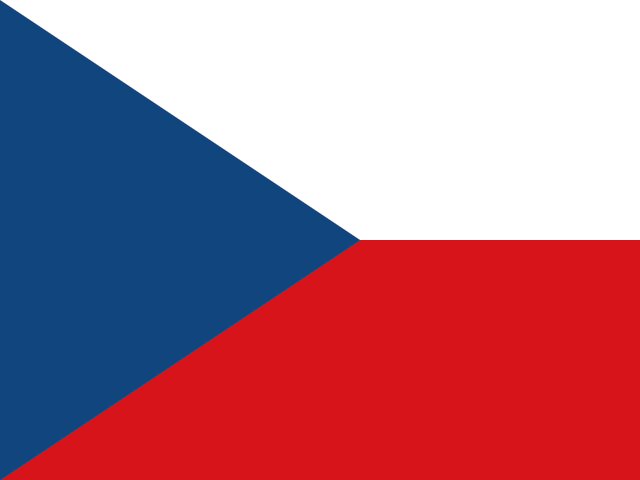
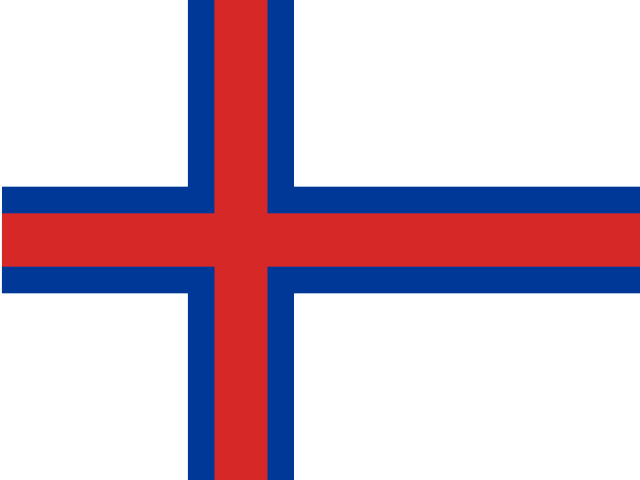
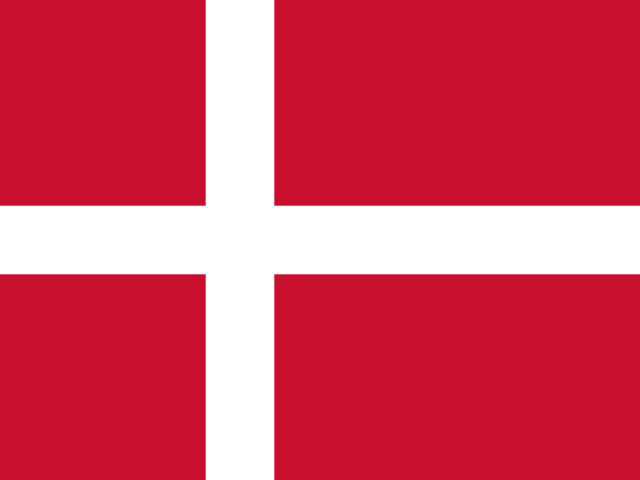
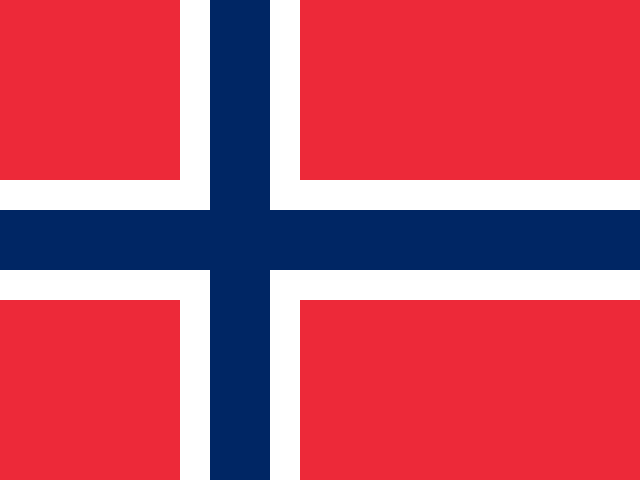
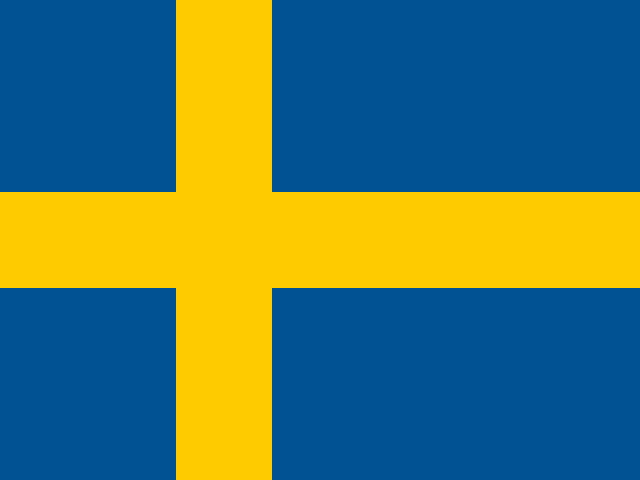
Flags that look like this one

Sources
- Wikipedia: Flag of Iceland
Last reviewed 24 October 2026. Read how we research flags in our editorial policy, or report a mistake.