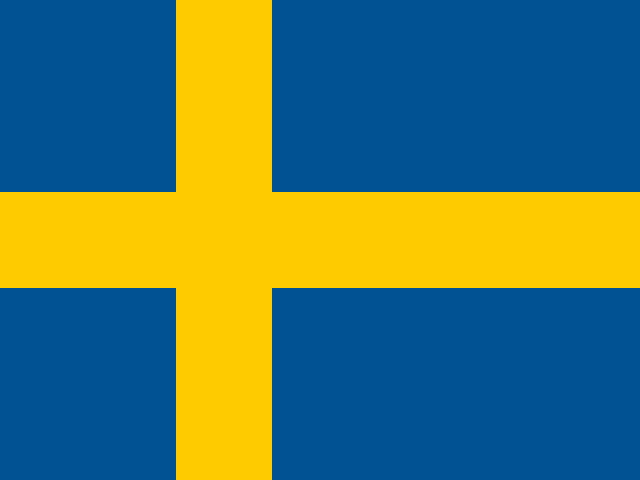
Flag of Sweden
A yellow Nordic cross on a blue field, with the vertical arm set towards the hoist. Horizontally the proportions are 5:2:9 and vertically 4:2:4.
What the flag means
No law explains the colours. They match the national coat of arms, three gold crowns on a blue shield, and the three crowns on blue go back to at least 1336. As on the other Nordic flags, the cross is a Christian symbol.
History
The earliest pictures of a blue flag with a yellow cross date from the reign of Gustav I in the early 16th century, and a royal warrant of 19 April 1562 is the first legal description. From 1844 a union mark with Norway sat in the canton; it was removed on 1 November 1905 after the union ended. The flag law of 22 June 1906 set the present design with a lighter blue. The current law is the Act on Sweden's Flag of 1982.
The naval ensign is triple-tailed, a form set out in a royal warrant of 1663 for the state flag and the navy.
Earlier flags of Sweden
- 1844–1905Blue with a yellow cross and the Swedish-Norwegian union mark in the canton
Flags that look like this one
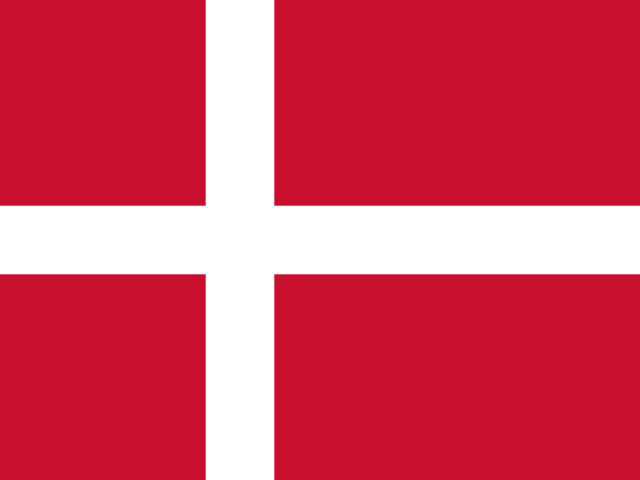
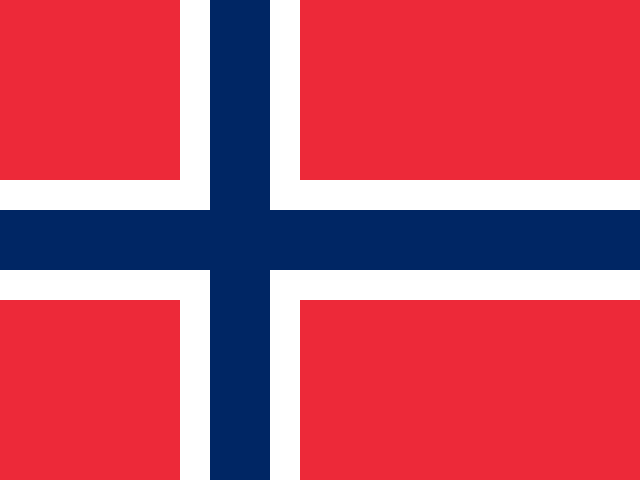
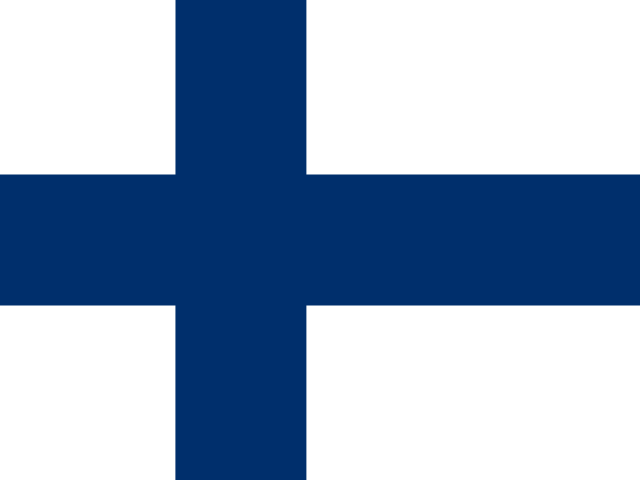
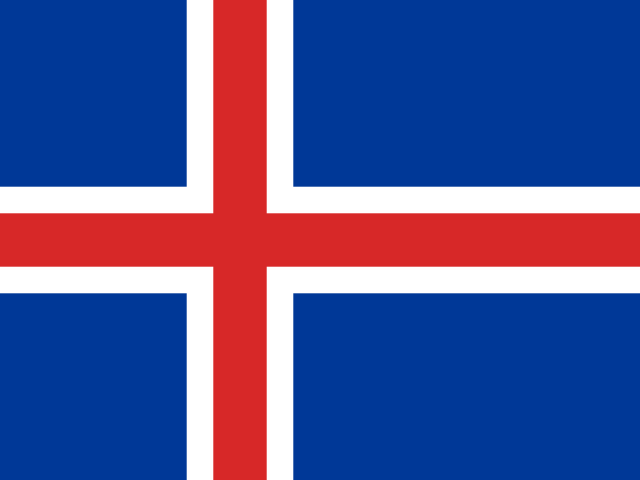
Denmark: white cross on red. Norway: blue cross with a white border on red. Iceland: red cross with a white border on blue. Sweden: yellow cross on blue. Finland: blue cross on white.
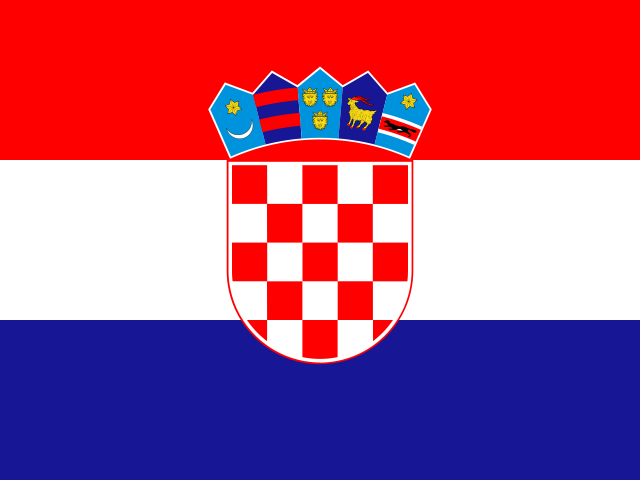
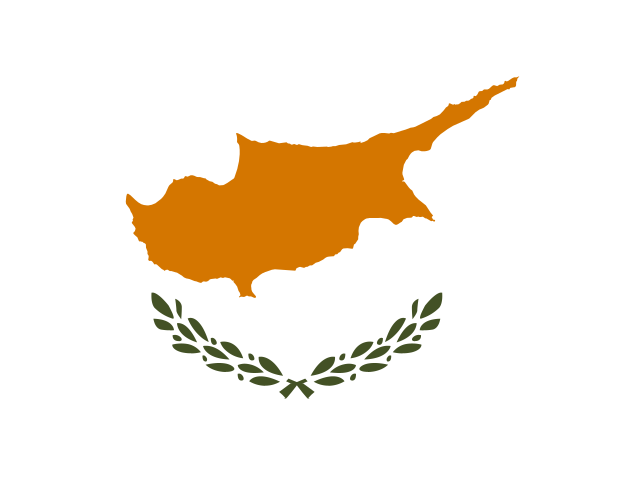
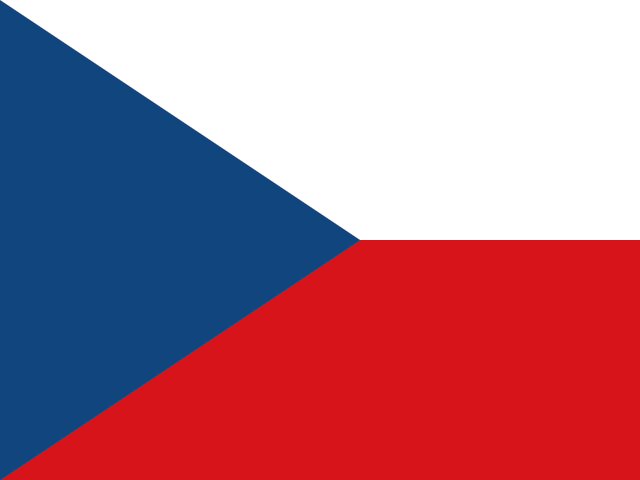
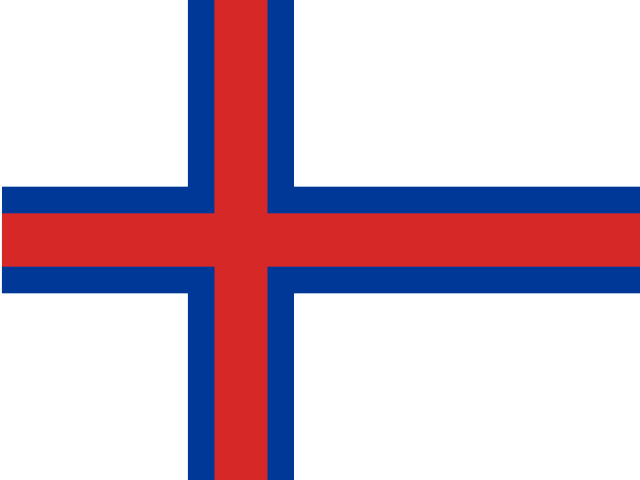
Flags of Sweden's neighbours
Sources
- Wikipedia: Flag of Sweden
- Store norske leksikon: Sveriges flagg og våpen
Last reviewed 24 October 2026. Read how we research flags in our editorial policy, or report a mistake.