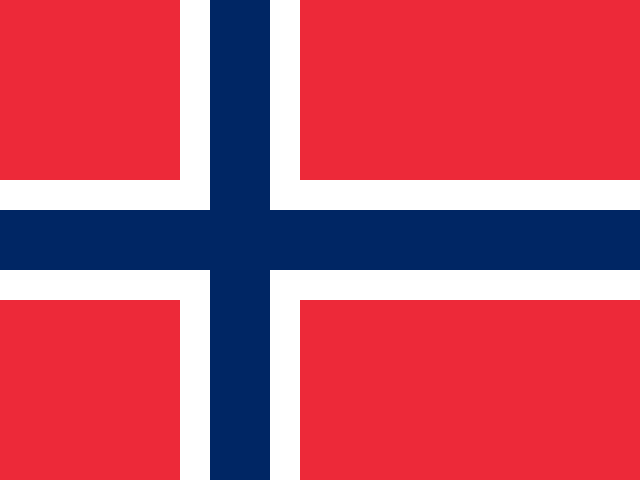
Flag of Norway
A dark blue Nordic cross edged in white on a red field. The vertical arm of the cross is set towards the hoist.
What the flag means
Fredrik Meltzer, who proposed the design, left no written explanation of his final choice. In an earlier letter he called red, white and blue the colours of freedom, as used in the French, Dutch, American and British flags. The cross is the Christian symbol shared with the other Nordic flags.
History
Norway used the Danish flag while it was united with Denmark. Meltzer, a member of the Storting, put forward the design in 1821, and both chambers approved it in May. King Karl Johan did not sign the flag law, but approved the flag for civilian use by royal resolution on 13 July 1821. From 1844 a union mark with Sweden sat in the canton. A law of 1898 removed it from the merchant and state flags, and the navy dropped it in 1905.
The 1844 union mark combined the Norwegian and Swedish colours and was nicknamed 'sildesalaten', the herring salad.
Earlier flags of Norway
- 1814–1821Danish flag with the Norwegian lion in the canton
- 1844–1899Present design with the Norwegian-Swedish union mark in the canton
Flags that look like this one
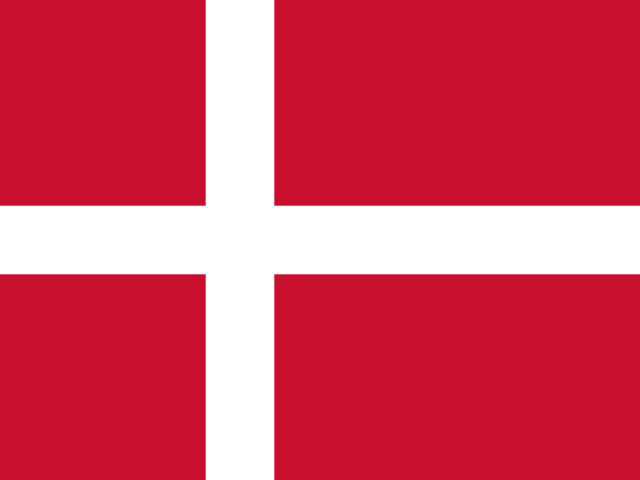
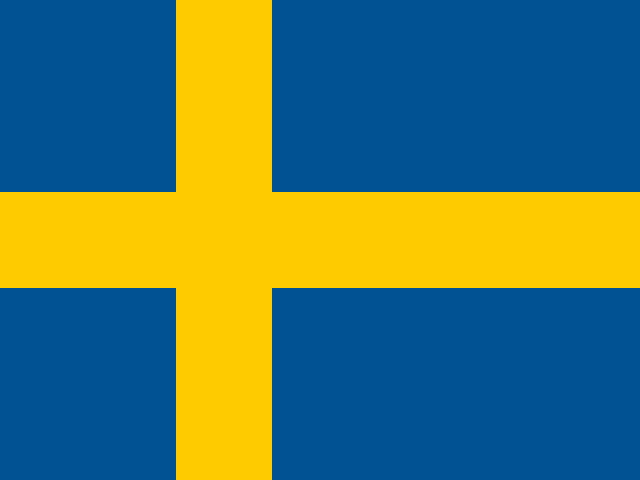
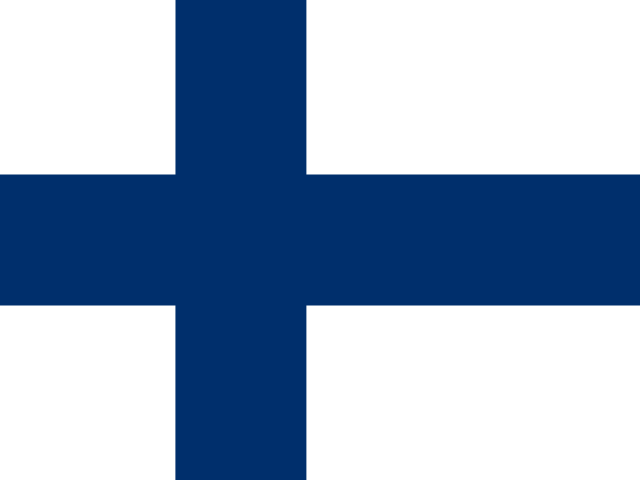
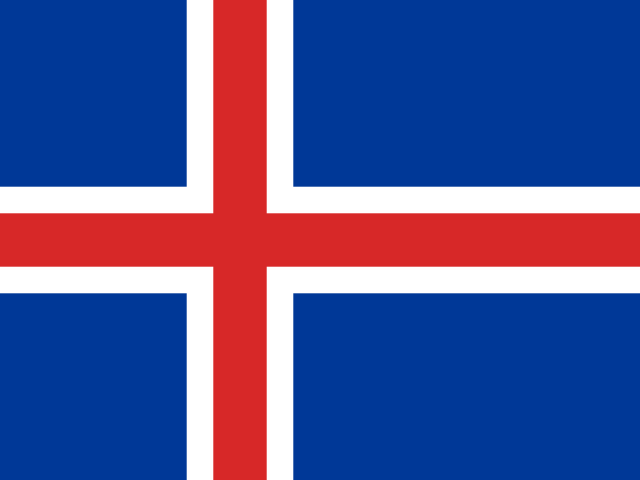
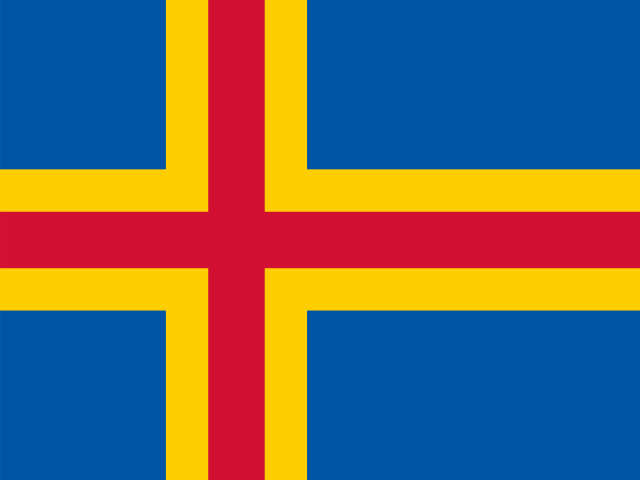
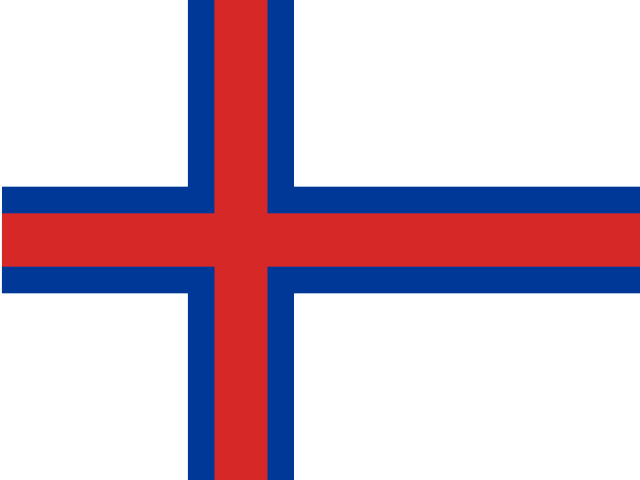
Denmark: white cross on red. Norway: blue cross with a white border on red. Iceland: red cross with a white border on blue. Sweden: yellow cross on blue. Finland: blue cross on white.
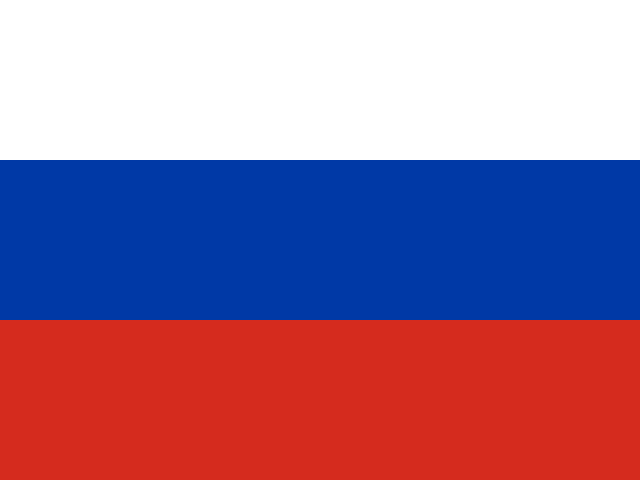
Flags of Norway's neighbours
Sources
- Wikipedia: Flag of Norway
- Store norske leksikon: Norges flagg
Last reviewed 24 October 2026. Read how we research flags in our editorial policy, or report a mistake.