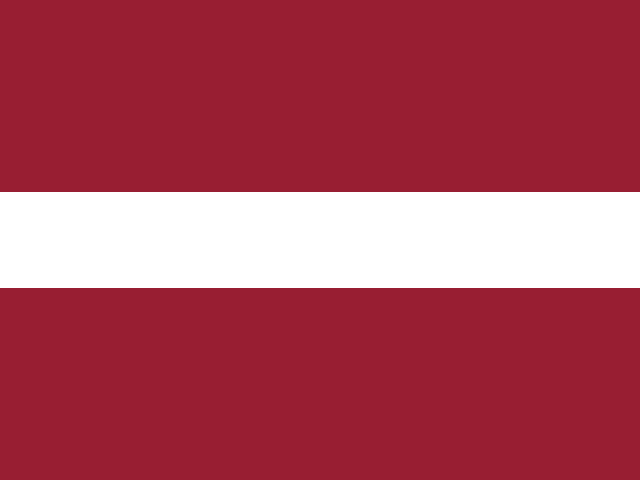
Flag of Latvia
A carmine red field divided by a horizontal white stripe. The bands are in the ratio 2:1:2, so the white stripe takes up one-fifth of the height.
What the flag means
The colours have no official meaning. A popular legend tells of a wounded chief wrapped in a white sheet whose blood stained its edges. Historian Kārlis Dzirkalis notes that the story does not appear in Latvian folk songs (dainas) and was probably the work of a later historian.
History
The Livonian Rhymed Chronicle describes a red banner crossed with white, carried by Latvian tribes in a battle of 1279. A design by the artist Ansis Cīrulis was accepted in May 1917, and the colours became a state symbol when the republic was proclaimed on 18 November 1918. The Constitutional Assembly confirmed the flag on 15 June 1921, and a 1923 law fixed the carmine shade and the proportions. The flag was banned under Soviet rule and restored in February 1990.
A red-white-red flag with a yellow sun in the corner, sewn in 1916 by Marianna Strautmane from a sketch by Jānis Lapiņš, is kept at the Cēsis History and Art Museum.
Earlier flags of Latvia
- 1953–1990Latvian SSR flag: red Soviet flag with wavy blue bands along the bottom
Flags that look like this one
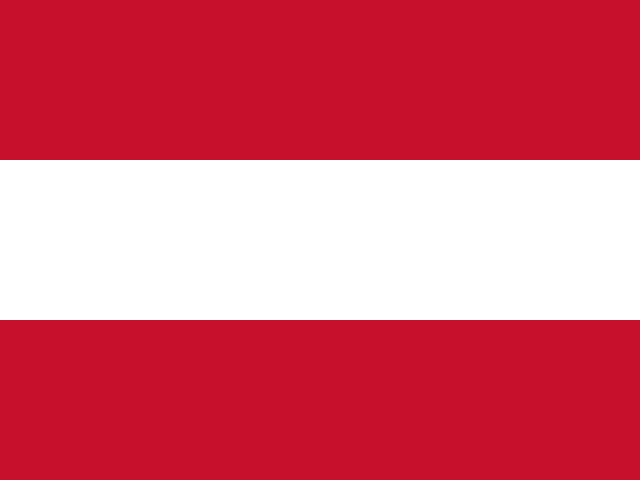
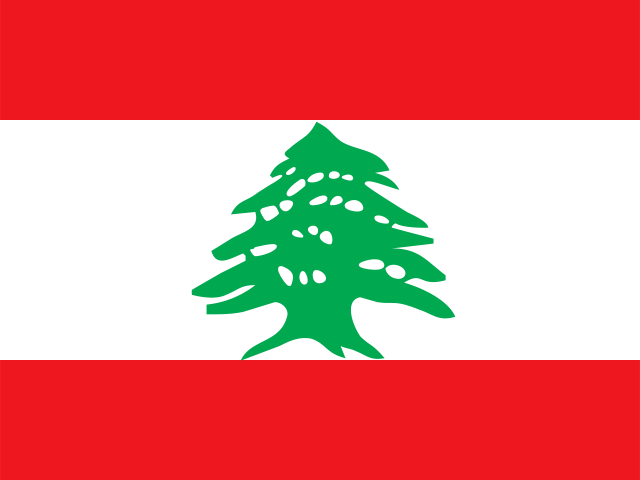
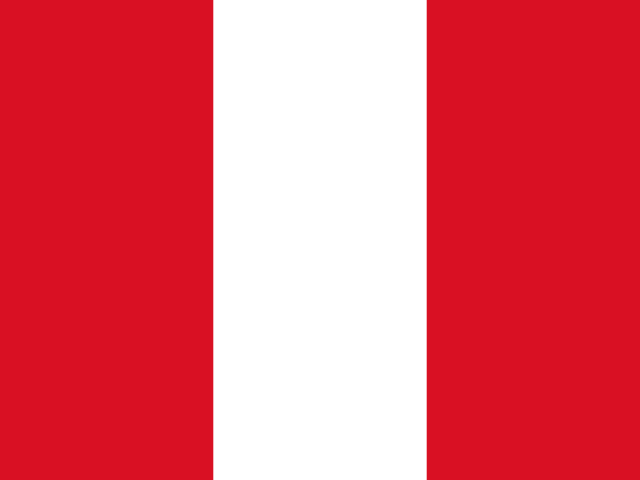
Austria has three equal red, white, red stripes. Latvia's red is a darker carmine and its white stripe is narrower. Lebanon has a green cedar tree. Peru's stripes are vertical.
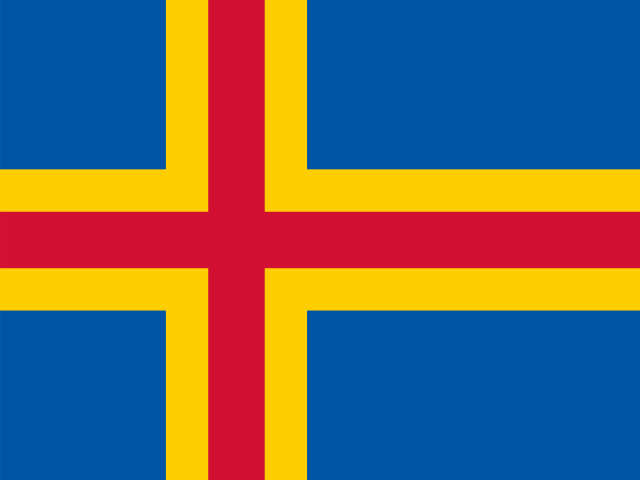
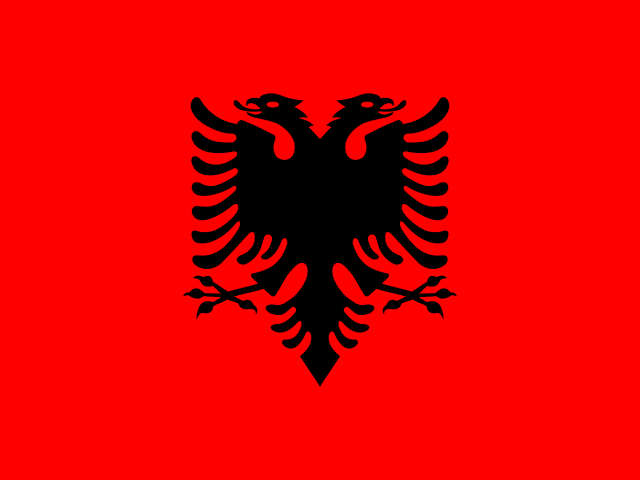
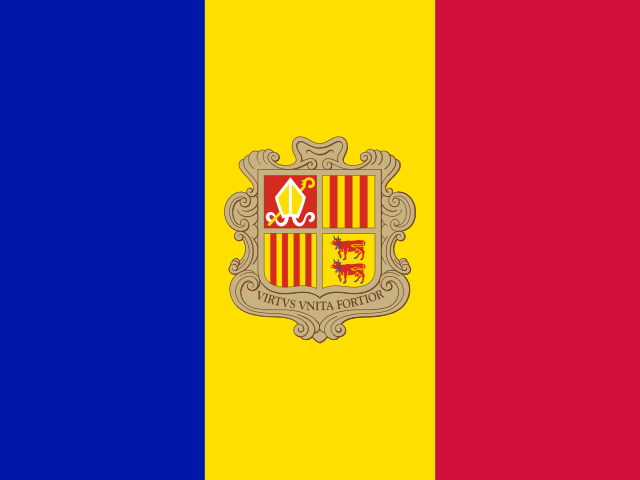
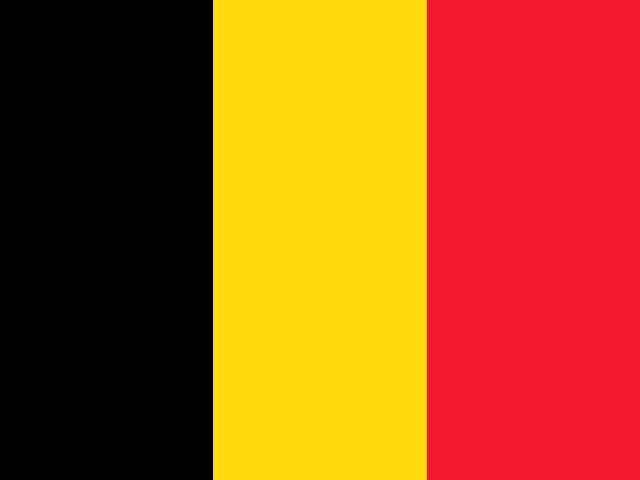
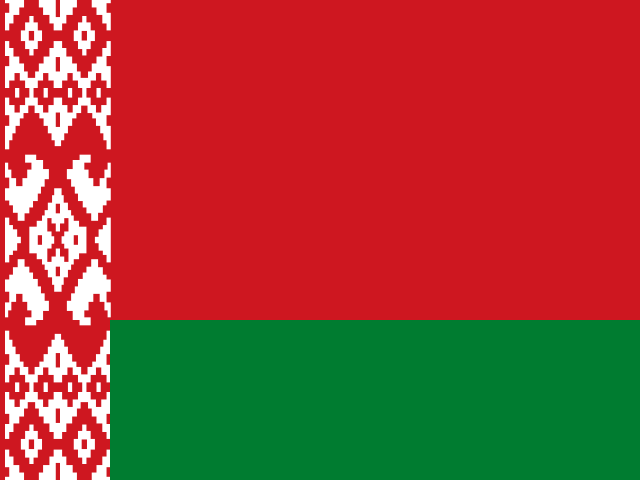
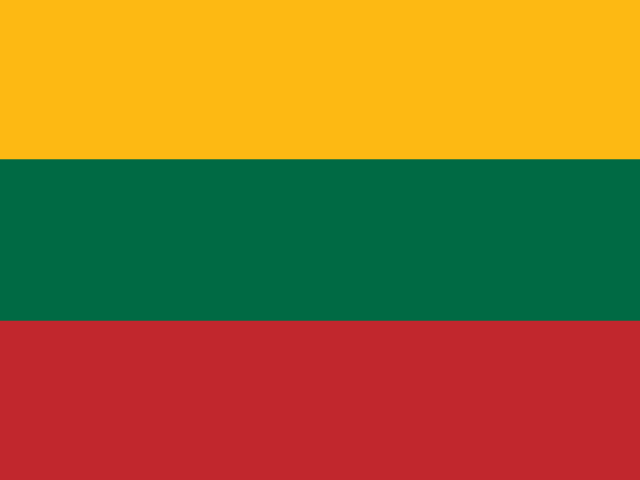
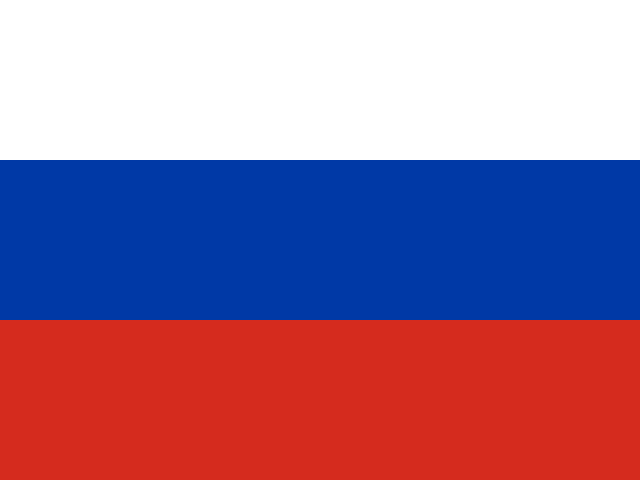
Flags of Latvia's neighbours

Sources
- Wikipedia: Flag of Latvia
- Latvian Institute: The History of the Latvian Flag
Last reviewed 24 October 2026. Read how we research flags in our editorial policy, or report a mistake.