Flag of Canada
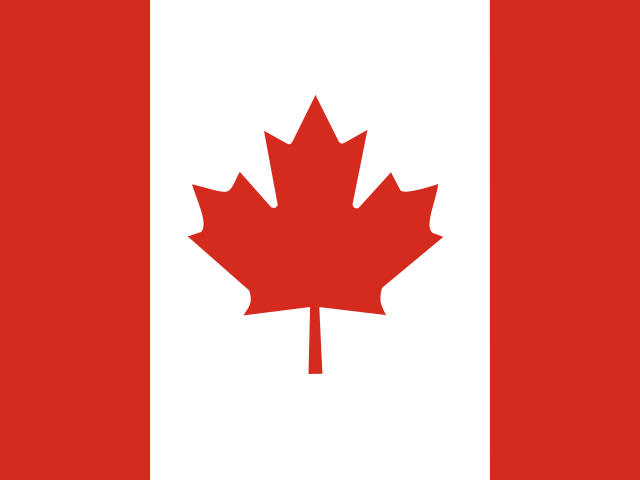
A red eleven-pointed maple leaf on a white square, between two red vertical bands that are each half as wide as the square.
What the flag means
Red and white are often described as Canada's official colours, but the Canadian government points out that the 1921 royal proclamation of the arms, usually cited for this, does not name them. The maple leaf had been a Canadian emblem since the 19th century. The number of points on the leaf has no special significance.
History
Lester B. Pearson wanted a distinctive flag after the Suez Crisis, when Egypt objected to Canadian peacekeepers because their flag contained the Union Flag. A 15-member all-party committee chose George Stanley's single-leaf design on 22 October 1964, and Jacques St-Cyr redrew the leaf with 11 points instead of 13. Parliament approved the flag in December 1964, Queen Elizabeth II proclaimed it on 28 January 1965, and it was first raised on Parliament Hill on 15 February 1965.
John Matheson's note to Stanley, timed 2 a.m. on 15 December 1964, reported that the House of Commons had just approved his flag by 163 votes to 78.
Earlier flags of Canada
- 1801–1965Royal Union Flag, used throughout British North America and Canada
- 1871–1921Red Ensign with a composite shield of provincial arms in the fly
- 1921–1957Canadian Red Ensign with the 1921 royal arms, maple leaves in green
- 1957–1965Canadian Red Ensign with the maple leaves on the arms changed to red
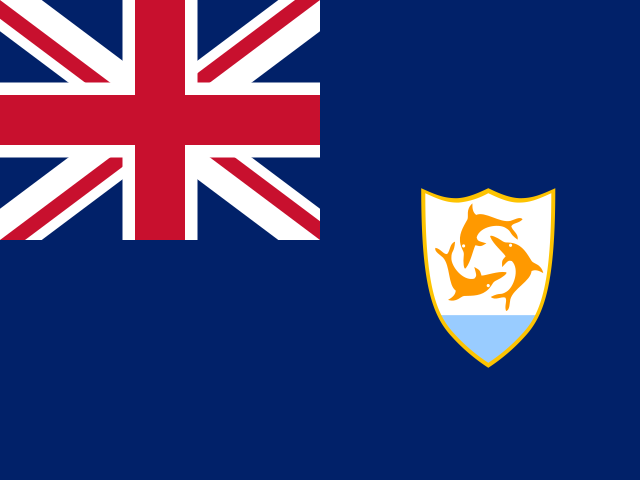
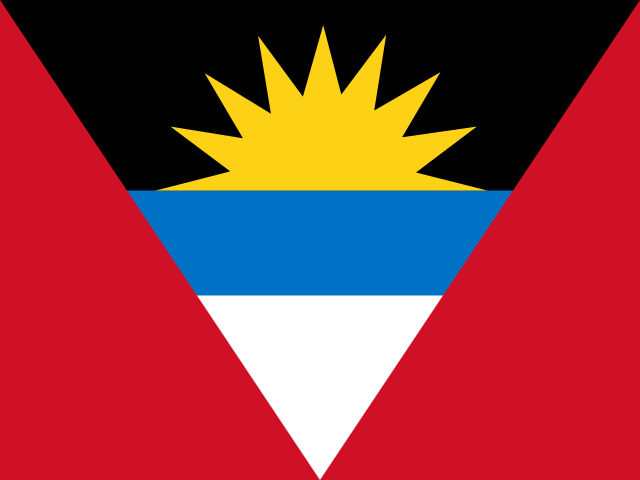
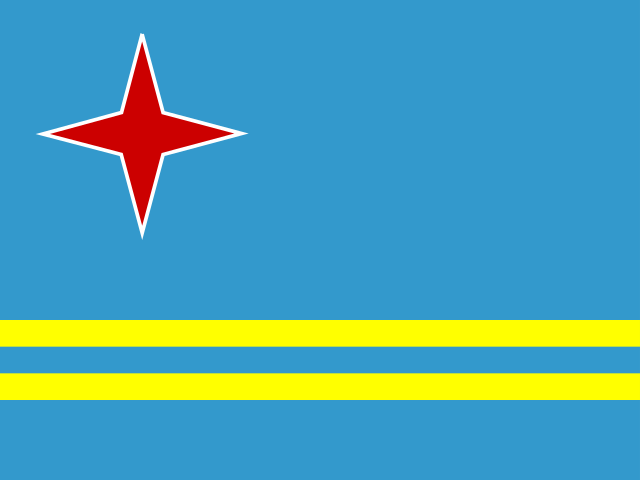
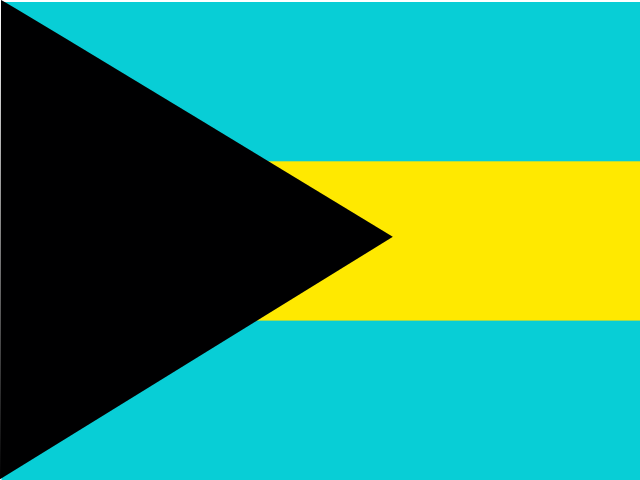
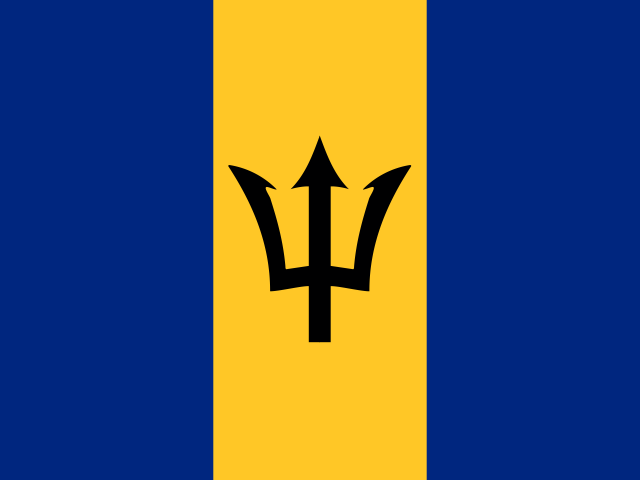
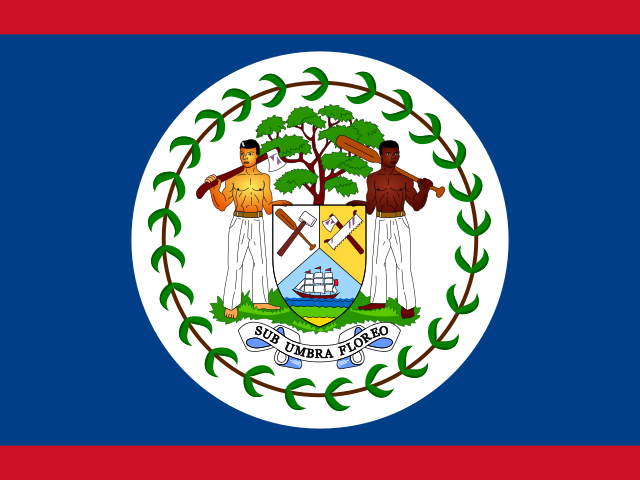
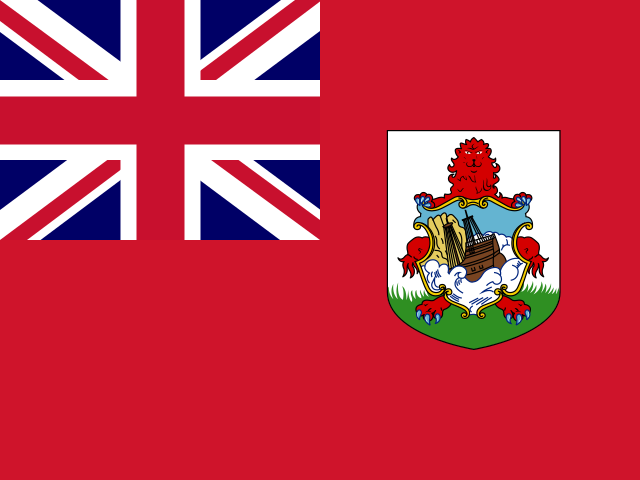
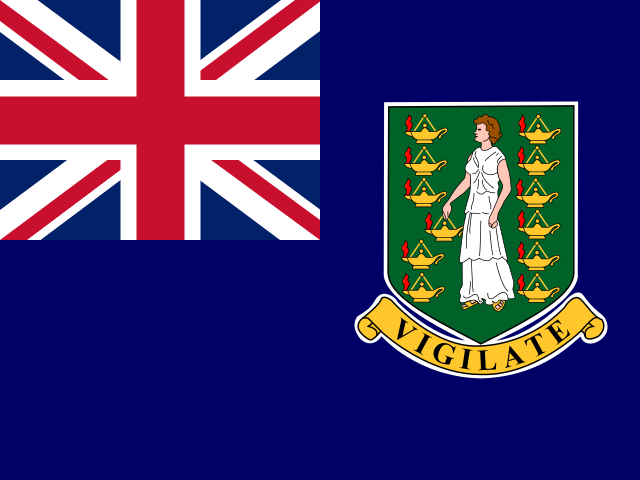
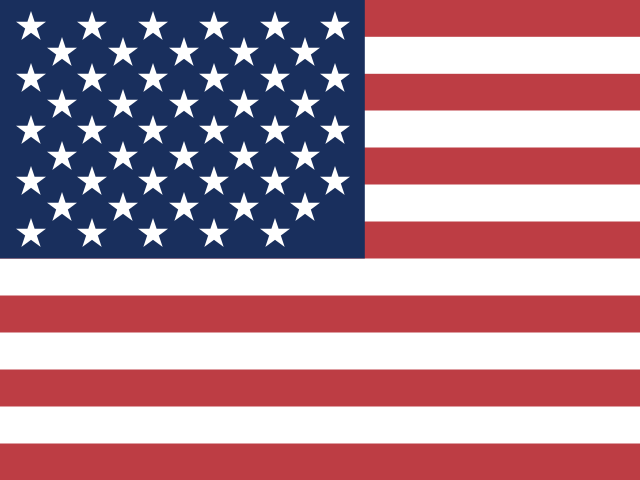
Flags of Canada's neighbours
Sources
- Wikipedia: Flag of Canada
- Government of Canada: History of the National Flag of Canada
- Government of Canada: Official symbols of Canada
Last reviewed 24 October 2026. Read how we research flags in our editorial policy, or report a mistake.