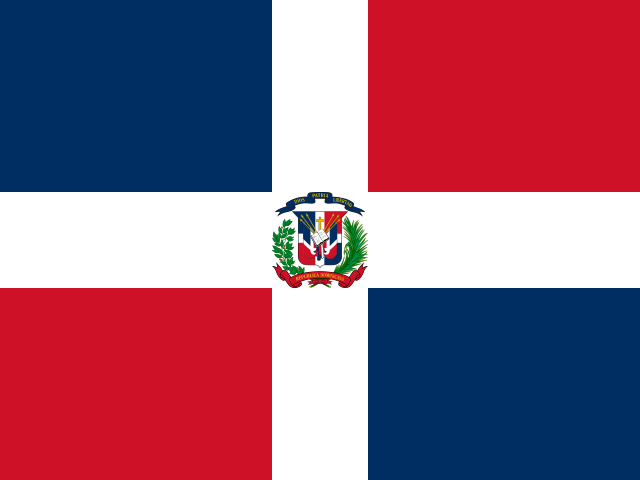
Flag of Dominican Republic
A centred white cross divides the flag into four rectangles: blue at the upper hoist and lower fly, red at the upper fly and lower hoist. The coat of arms sits at the centre of the cross.
What the flag means
Article 31 of the constitution describes the flag in ultramarine blue and vermilion red but gives no meaning, and the Instituto Duartiano notes that no legal text does. The traditional readings it records are red for the blood of the heroes of independence, blue for progress and liberty, and white for purity, union and peace.
History
Juan Pablo Duarte set out the flag in the oath of La Trinitaria, the secret society he founded on 16 July 1838 to free Santo Domingo from Haitian rule. It was first raised in February 1844, at the start of the independence war. That version had a white cross over a blue upper half and a red lower half. After Spanish rule ended in 1865, the flag returned with the coat of arms added and the fly-side quarters swapped.
The coat of arms shows an open Bible and a cross, with the motto 'Dios, Patria, Libertad' (God, Fatherland, Liberty).
Earlier flags of Dominican Republic
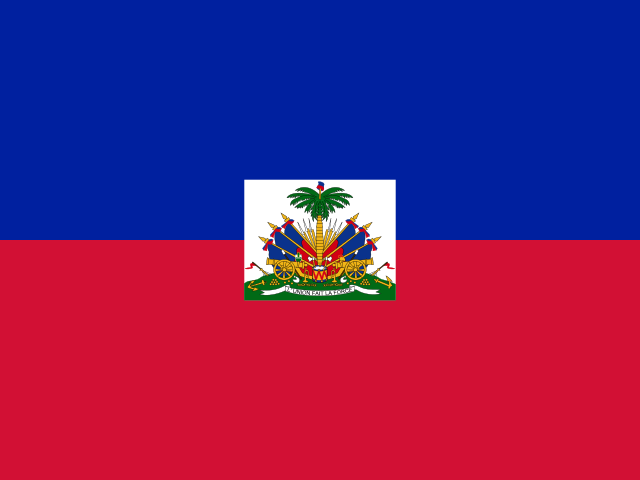
- 1822–1844Flag of Haiti, during Haitian rule of the whole island
- 1844–1849White cross over a blue upper half and a red lower half
- 1861–1865Flag of Spain, during the Spanish annexation
- 1916–1924Flag of the United States, during the US occupation
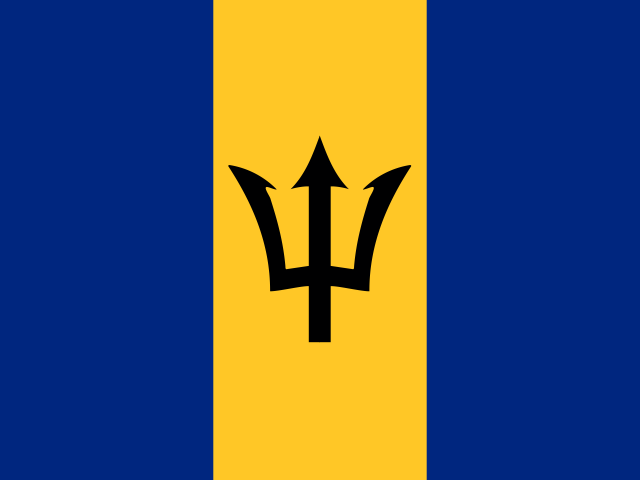
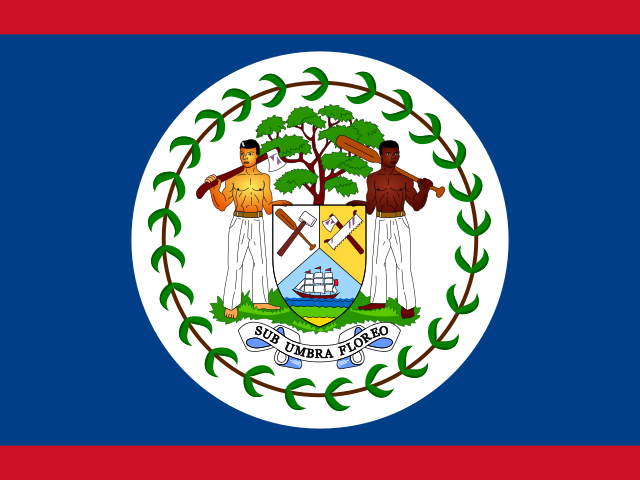
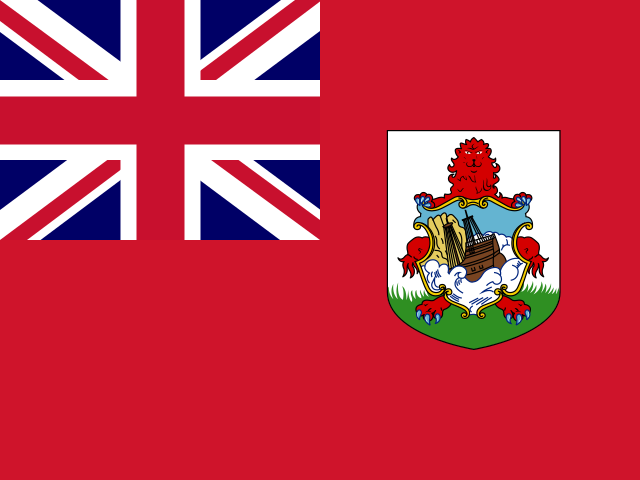
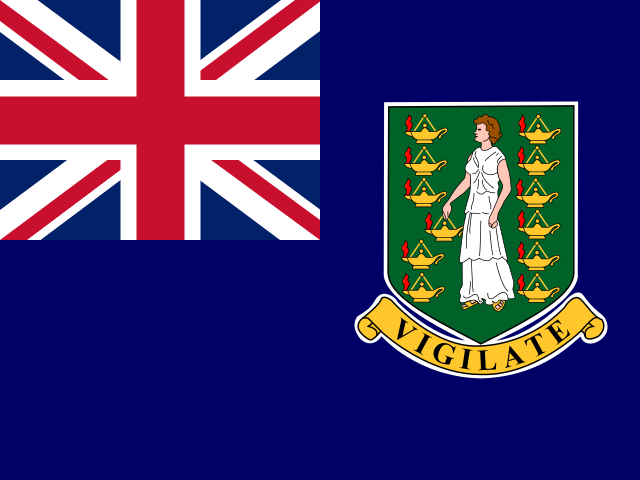
Flags of Dominican Republic's neighbours
Sources
- Wikipedia: Flag of the Dominican Republic
- Instituto Duartiano: Bandera Nacional de la República Dominicana
Last reviewed 24 October 2026. Read how we research flags in our editorial policy, or report a mistake.