Flag of Papua New Guinea
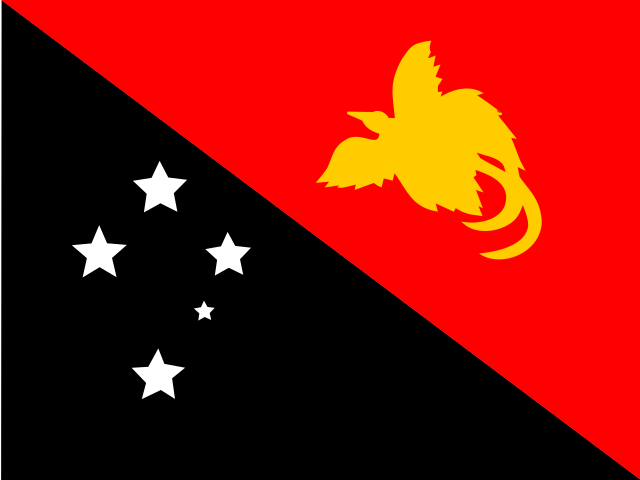
Divided diagonally from the top of the hoist to the bottom of the fly. The upper half is red with a yellow bird of paradise; the lower half is black with the five white stars of the Southern Cross.
What the flag means
Red, black and yellow are traditional colours in Papua New Guinea. The bird of paradise, or kumul, is shown in flight as a sign of the country's emergence into nationhood, and the Southern Cross refers to its ties with Australia and other South Pacific countries.
History
The Australian administration first proposed a vertical blue, yellow and green tricolour by Hal Holman, which was poorly received. A national competition in early 1971 was won by Susan Karike, a schoolgirl. The National Identity Ordinance 1971 made her design official from 1 July 1971, and it became the flag of independent Papua New Guinea on 16 September 1975.
Karike kept the bird and the Southern Cross from Holman's rejected proposal but split the flag diagonally and swapped his blue, yellow and green for red, black and yellow.
Earlier flags of Papua New Guinea
- 1884–1914German Imperial Colonial Office flag, used in German New Guinea
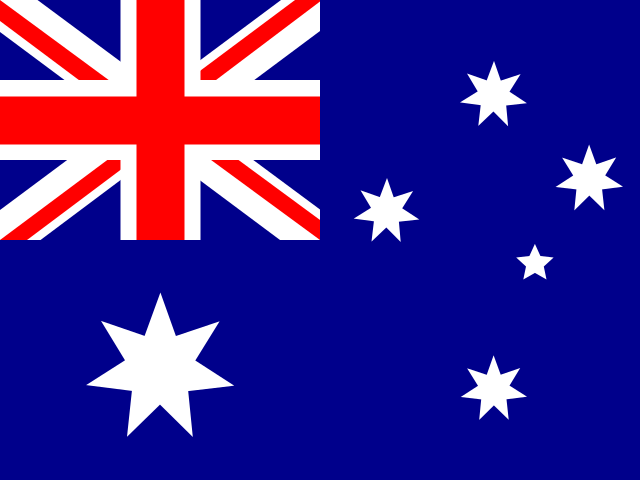
- 1949–1971Flag of Australia, used in the Territory of Papua and New Guinea
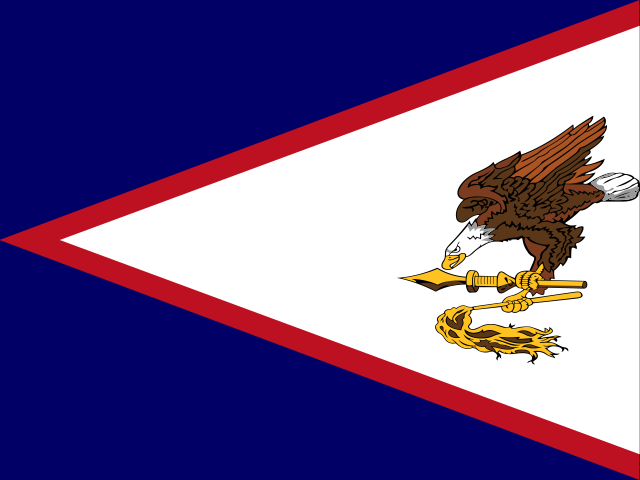
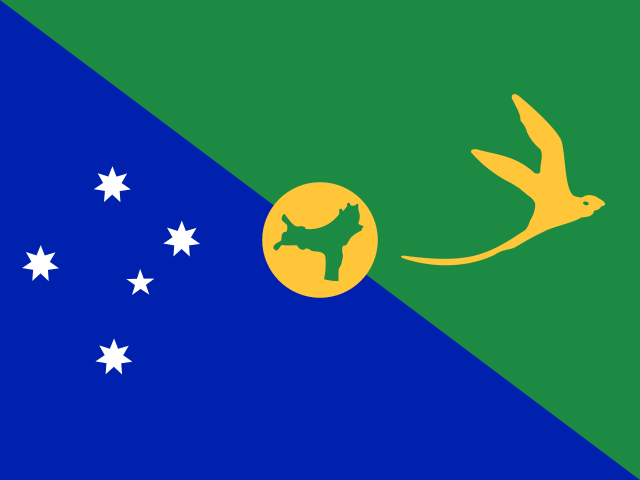
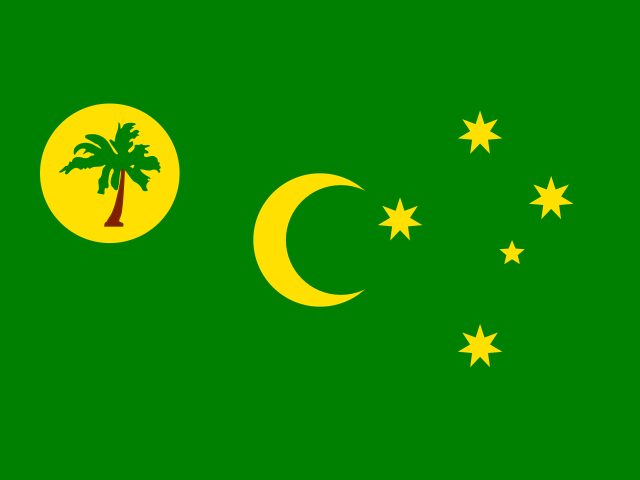
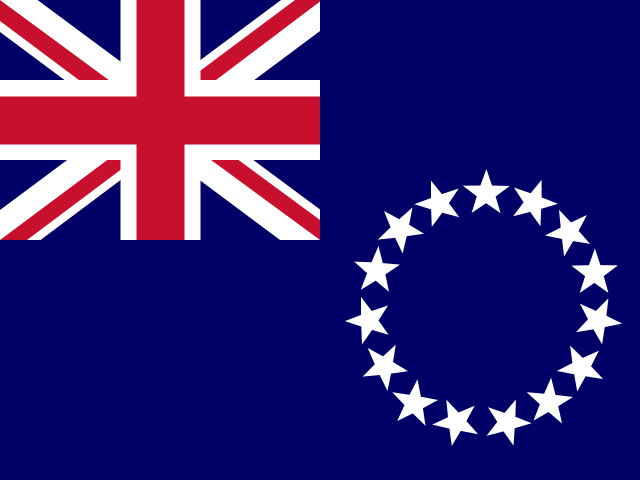
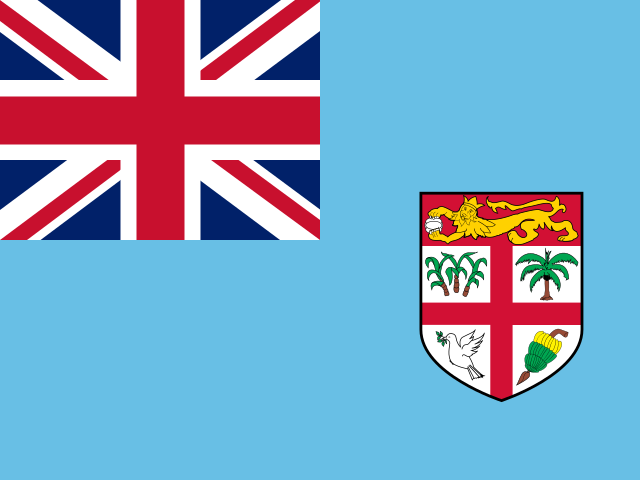
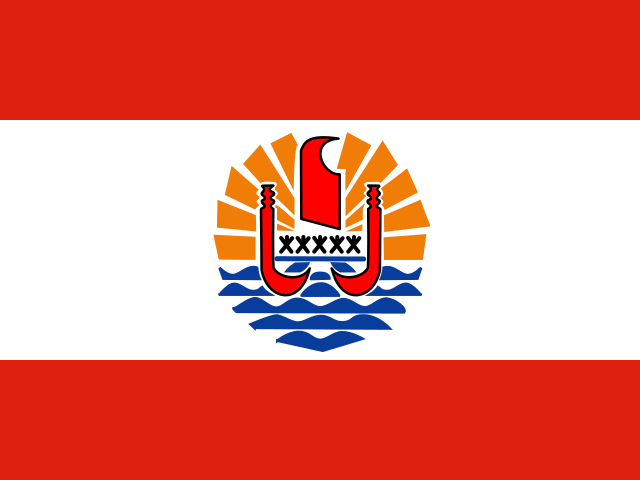
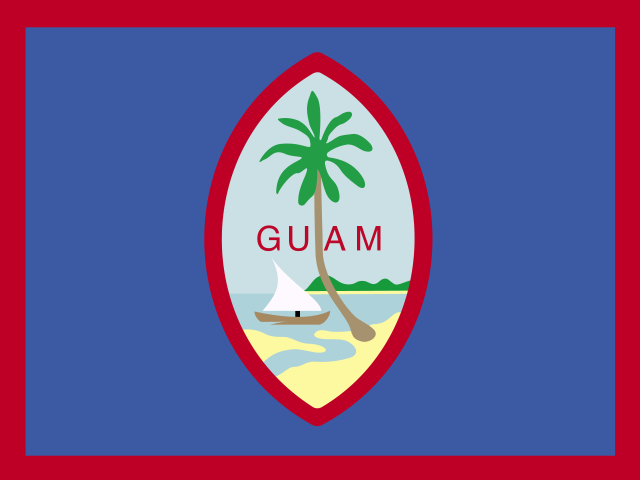
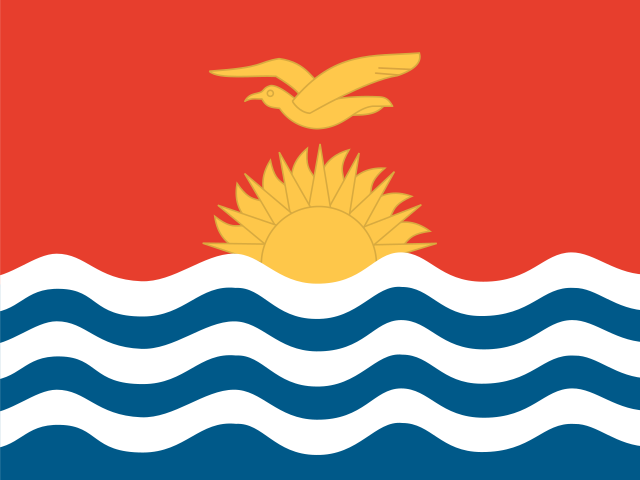
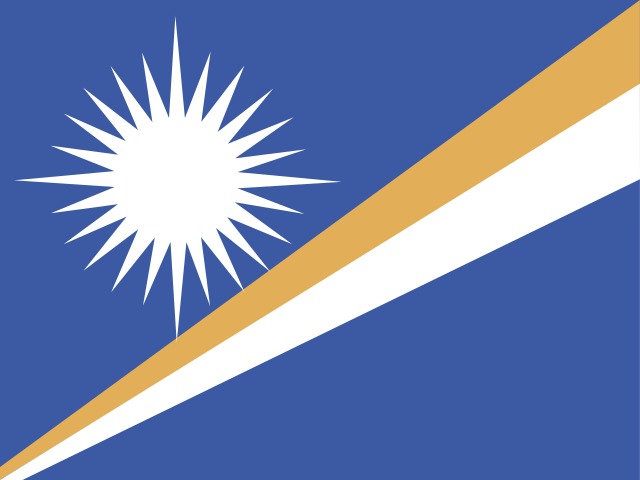
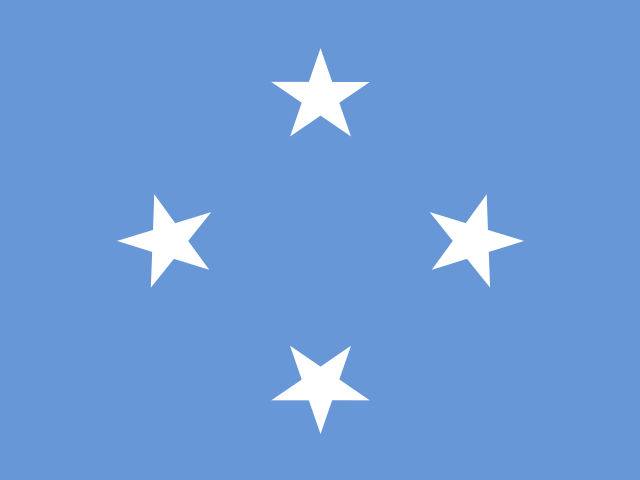
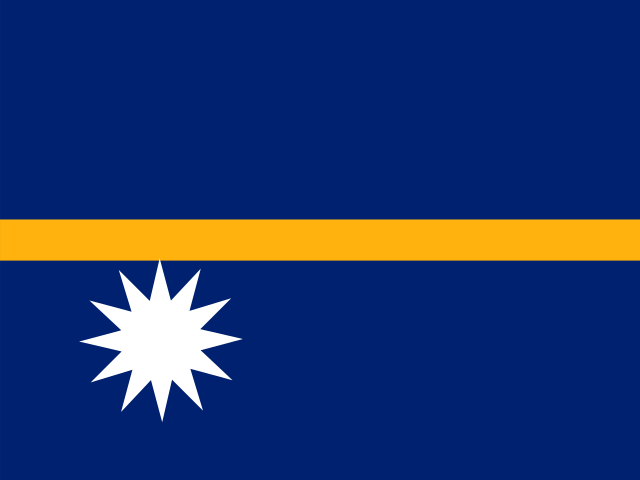
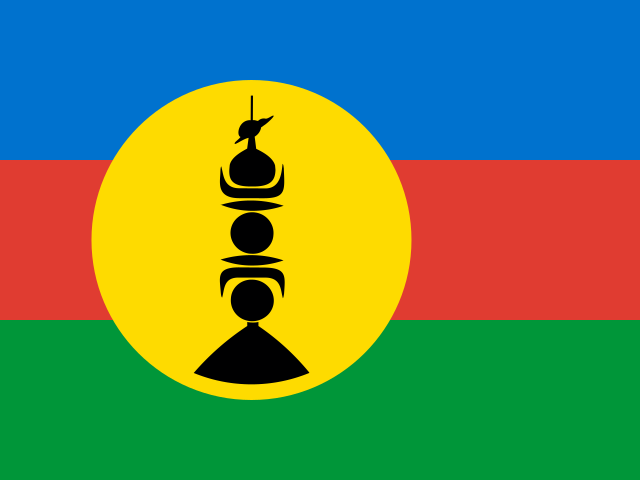
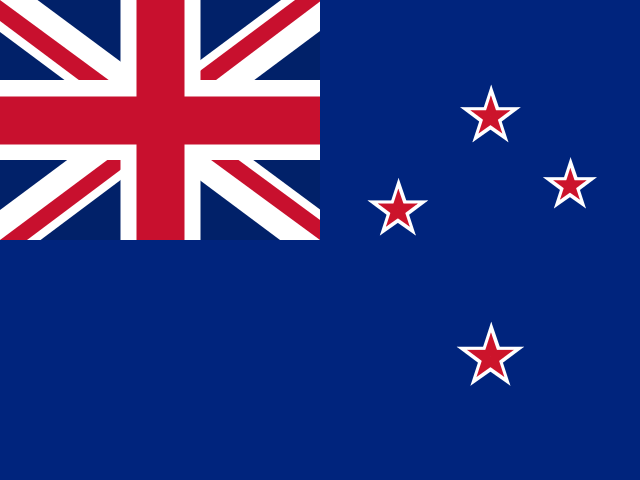
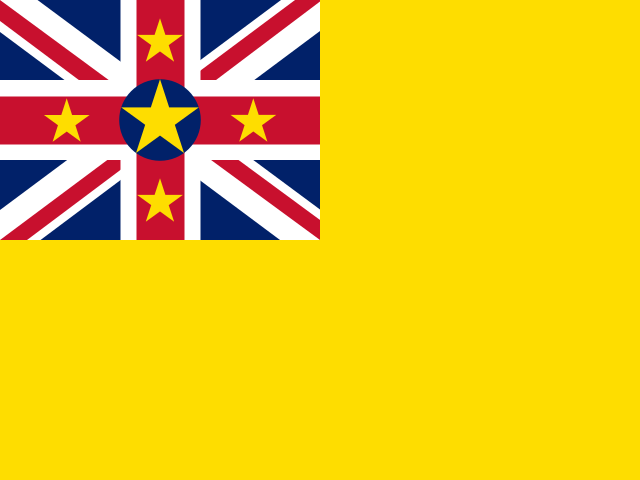
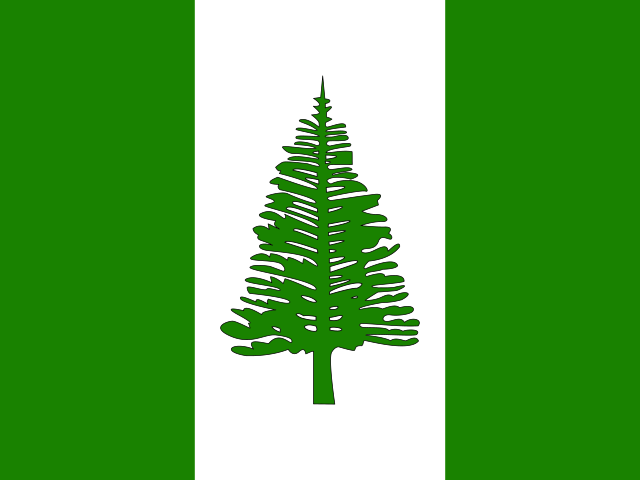
Flags of Papua New Guinea's neighbours
Sources
- Wikipedia: Flag of Papua New Guinea
- Flags of the World: Papua New Guinea
Last reviewed 24 October 2026. Read how we research flags in our editorial policy, or report a mistake.